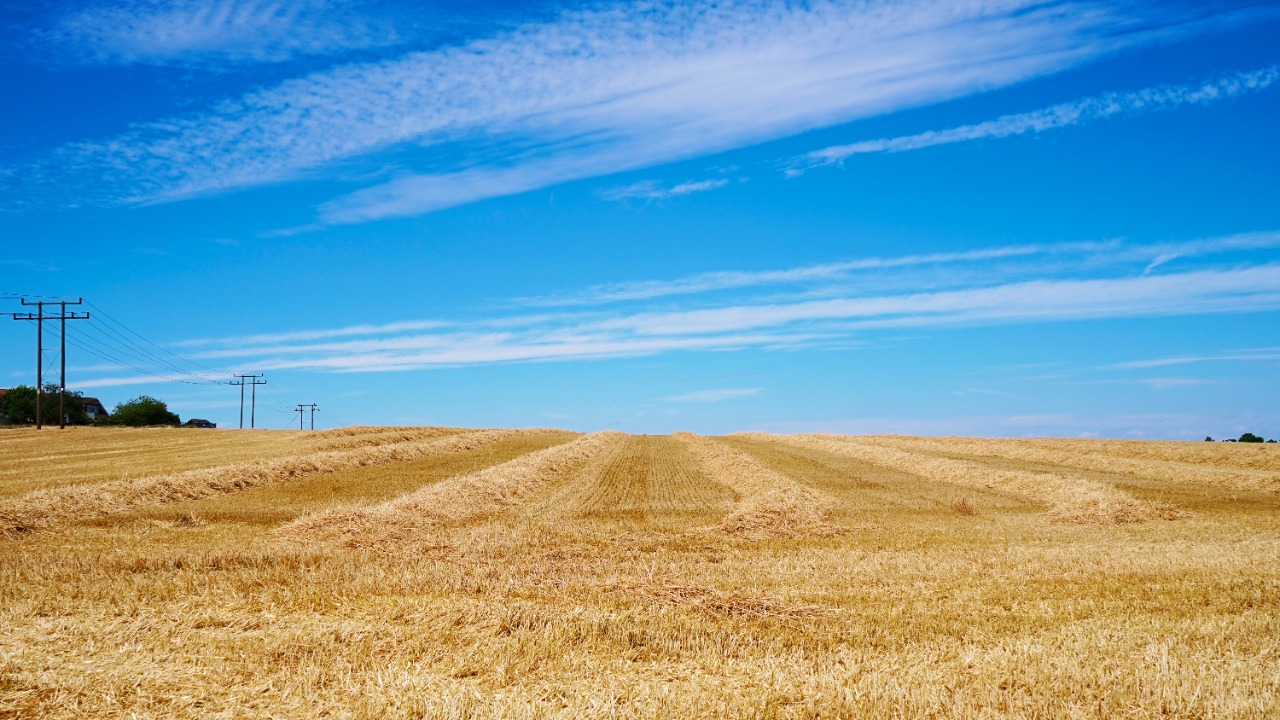

England and Wales have provisionally recorded their driest July since national rainfall records began in 1836, following a month defined by exceptional heat, prolonged sunshine and almost complete rainfall failure across parts of the country.
England received only 6.5 millimetres of rain during July 2026, equivalent to 10 percent of its long-term monthly average. Wales recorded 9.3 millimetres, or 9 percent of its normal July rainfall. Both totals were less than half the previous records established in 1911, according to the Met Office’s official July climate report.
The figures confirm that the dry weather was not simply an unusually pleasant summer spell. It was an historic climate event that intensified drought conditions, increased pressure on water supplies and created serious consequences for farms, rivers, wildlife and fire services.
England Received Less Than Half Its Previous Record
Before 2026, England’s driest July had occurred in 1911, when 13.4 millimetres of rain was recorded. July 2026 reduced that total by more than half, with the country receiving only 6.5 millimetres during the entire month.
The result also made July 2026 England’s third-driest month of any name in the historical series. Only February 1891 and June 1925 were drier.
Wales experienced a similarly dramatic record. Its 9.3-millimetre total was less than half the previous July minimum of 22.6 millimetres, also recorded in 1911. The month consequently became the driest July in almost 190 years of Welsh rainfall observations.
The wider UK received 28.9 millimetres of rainfall, representing 35 percent of the July average. That made it the country’s third-driest July and the driest nationally since 1868. Scotland was the only UK nation that did not come close to breaking a national July rainfall record, recording 69 percent of its usual total.
Southern England Experienced Its Driest Month Ever
The national totals conceal even more extreme conditions across southern England. The region received just 1.9 millimetres of rainfall, equivalent to approximately 3 percent of its normal July amount.
That was not merely southern England’s driest July. It was the driest calendar month recorded in the region since the series began in 1836.
Nineteen counties received no more than one millimetre of rain throughout the month. They included Berkshire, Dorset, Essex, Greater London, Kent, Oxfordshire, Surrey, Warwickshire, East and West Sussex, and the Isle of Wight. In practical terms, many locations passed almost the entire month without meaningful rainfall.
The extreme regional pattern explains why lawns, parks and agricultural land turned brown so quickly. Scattered showers in northern or western Britain could not compensate for the prolonged absence of rain across densely populated and agriculturally important areas farther south.
Record Sunshine and Heat Made the Dryness Worse
Rainfall was only one part of July’s exceptional weather. England and Wales also experienced their sunniest calendar month ever recorded, while the UK as a whole registered its sunniest July.
Wales recorded its joint-warmest July for average temperature. England and the UK experienced their second-warmest Julys, while southern England recorded its warmest July on record. The UK-wide monthly average was 17.4°C, approximately 2°C above the 1991–2020 July average.
The combination of low rainfall, high temperatures and prolonged sunshine intensified water loss from soil, plants and open water. Hot conditions also increased household and commercial demand at the same time that natural water availability was declining.
By July 21, water demand had risen by as much as 30 percent on the hottest days. Seven water companies had implemented or announced temporary-use restrictions affecting approximately 23 million customers, according to the Environment Agency’s National Drought Group update.
The Entirety of Wales Entered Drought Status
Natural Resources Wales extended official drought status across the whole country on July 30 after hydrological and environmental conditions continued to deteriorate.
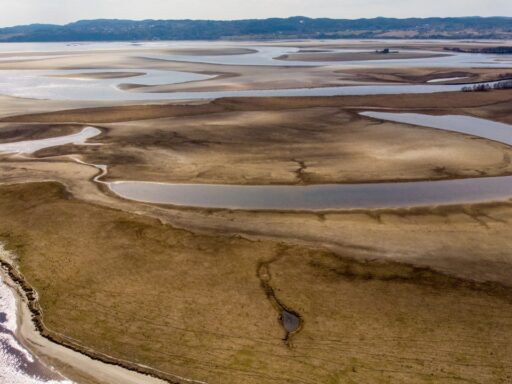
By that stage, the majority of Welsh rivers were exceptionally low. Groundwater levels were falling, some riverbeds were drying and authorities were receiving reports of fish distress, algal blooms and reduced water availability for crops and livestock.
The Natural Resources Wales drought declaration followed an earlier decision to place north Wales and the Upper Severn in drought after local thresholds had been reached. Sustained heat and almost nonexistent rainfall then forced the organisation to expand the declaration nationwide.
A drought declaration does not automatically mean that household taps will run dry. It indicates that water conditions have deteriorated enough to require enhanced management, monitoring and protective action.
Water companies maintain formal drought plans covering restrictions, additional supply measures and other actions intended to preserve public water while protecting rivers and the wider environment. These plans are reviewed regularly under guidance described by the Environment Agency.
Farms and Food Production Are Under Pressure
Agriculture is among the sectors most directly exposed to prolonged summer dryness. Crops require water at critical stages of development, while livestock farms depend on reliable supplies for animals and pasture growth.
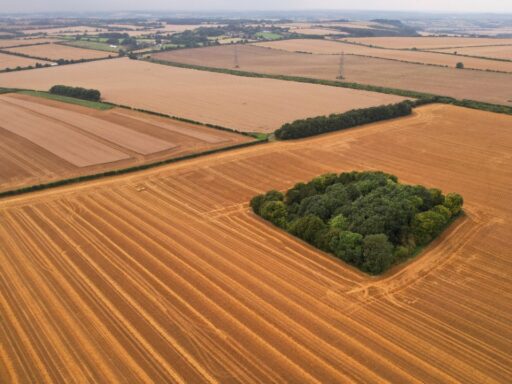
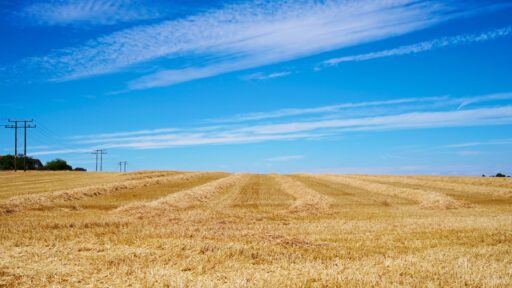
By late July, some farmers had begun harvesting earlier than normal, while industry representatives warned that cereal yields could be lower than expected. Dry grassland also reduced grazing and forage availability, increasing pressure on livestock producers.
The effects may vary considerably by region and crop. Farms with irrigation access or stored water may be better protected, while operations relying heavily on rainfall can experience greater losses.
Restrictions on water abstraction can create an additional challenge. Rivers and groundwater cannot be continuously drawn down without damaging ecosystems, so regulators may limit the amount available to farms and businesses when flows reach critical levels.
Rivers, Wetlands and Wildlife Are Showing the Damage
The drought is also an environmental crisis. Ponds and wetlands have dried in some areas, potentially affecting bird breeding and other wildlife. Rivers have become shallower and warmer, reducing oxygen levels and placing fish under stress.
Environment Agency teams have carried out fish rescues and released water from strategic reservoirs to support river flows, navigation and ecosystems. Natural Resources Wales has also increased monitoring, managed reservoir releases and moved vulnerable freshwater species into deeper water where necessary.
Dry vegetation and depleted peatlands have contributed to an elevated wildfire risk. Although most wildfires require an ignition source, hot and dry conditions allow fires to spread more rapidly and become harder to control.
The damage can continue even after rainfall returns. Rivers, groundwater, reservoirs and soils recover at different rates, meaning one period of heavy rain may not reverse the accumulated effects of several dry and hot weeks.
Is Climate Change Responsible?
A single record-breaking month cannot, by itself, establish how much of the event was caused by human-induced climate change. Natural weather variability continues to influence where and when rain falls.
However, the UK’s climate is becoming warmer, and higher temperatures can intensify drought impacts by increasing evaporation and drying soils more rapidly. The Climate Change Committee states that climate change is robustly linked to a growing risk of droughts produced by combinations of warm and dry conditions.
Its recent Well-Adapted UK assessment warns that the country is already experiencing stronger swings between dry and wet extremes. It also identifies additional water storage, improved infrastructure and stronger demand management as important measures for reducing future scarcity.
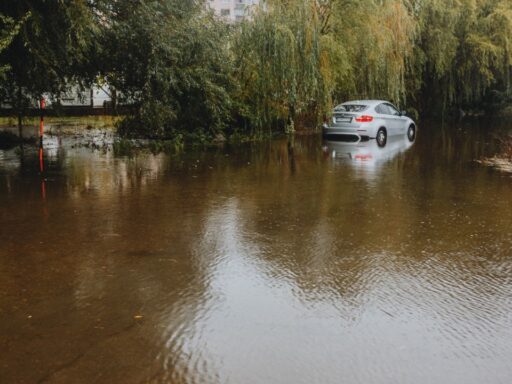
The Met Office’s climate projections similarly indicate that the UK is likely to experience hotter, drier summers, alongside periods of heavier rainfall. This means drought and flash flooding are not contradictory risks. Both can occur within the same season when long dry spells are interrupted by intense downpours.
Record Rainfall Would Not Provide an Instant Solution
The arrival of unsettled weather may produce localised relief, particularly for gardens, vegetation and surface soils. It will not necessarily end the wider drought.
Meaningful recovery generally requires sustained rainfall across the correct catchments. Water must reach rivers, reservoirs and underground aquifers rather than falling briefly over isolated locations or running rapidly from dry ground.
The record has therefore changed the question from whether July was unusually dry to how long its consequences will last. The answer will depend on August rainfall, water demand, reservoir storage and the condition of rivers and groundwater heading into autumn.
July 2026 will be remembered as the month when familiar green landscapes turned brown and rainfall records lasting more than a century were broken decisively. Its greater significance may be what it reveals about the pressure now facing Britain’s water system.