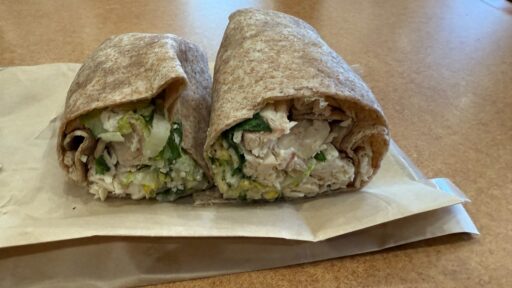
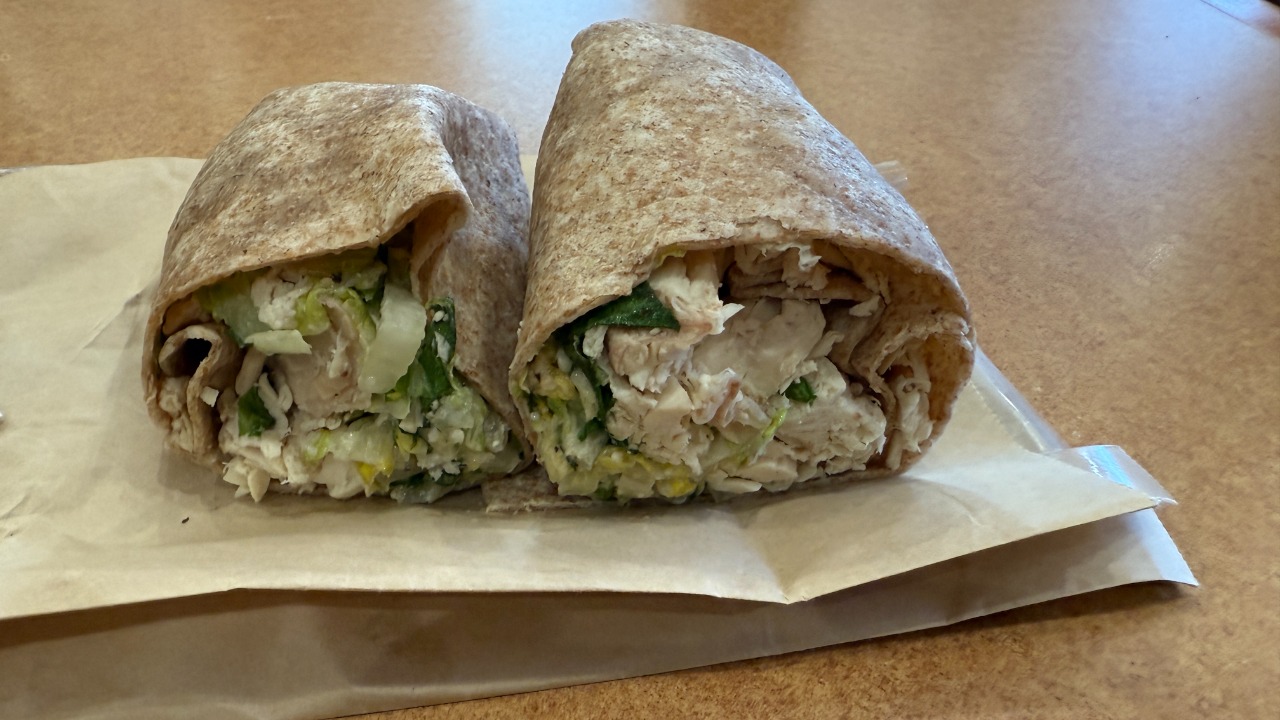

Federal food safety officials are warning shoppers in two states to avoid certain ready-to-eat Chicken Caesar wraps after tests raised concerns about possible Listeria contamination. The alert targets wraps sold at retail locations, which are being pulled from shelves while regulators and the producer investigate.
The warning applies to specific products with defined lot codes and dates, and so far no illnesses have been confirmed. Even in the absence of reported cases, the U.S. Department of Agriculture is urging consumers to check their refrigerators, discard affected items, and contact a doctor if they develop symptoms consistent with listeriosis.
How the Chicken Caesar wrap listeria concern emerged
The current alert centers on ready-to-eat Chicken Caesar wraps produced by a single company and distributed to retailers in two states. According to the U.S. Department of Agriculture’s Food Safety and Inspection Service (FSIS), the producer notified regulators after internal product testing raised the possibility that some of the wraps could contain Listeria monocytogenes.
FSIS classified the situation as a public health alert rather than a full recall because the affected products were believed to be no longer available for direct purchase at most stores. Officials stressed, however, that some consumers might still have the wraps in home refrigerators or freezers, which is why the agency released detailed product identifiers, including brand labeling, package weights, and lot information.
Under federal rules, ready-to-eat meat and poultry items must be produced under strict sanitation and temperature controls. Listeria monocytogenes is a particular focus of these standards because it can survive and grow at refrigeration temperatures. When a company’s own testing program detects the bacterium or a credible indicator, it is expected to notify regulators and initiate product control measures. That notification is what triggered the FSIS involvement in this case.
FSIS advised that the wraps were shipped to retail locations only in the two affected states, and there is no evidence they were distributed more widely. The agency did not report any confirmed illnesses linked to the wraps at the time of the alert, but it emphasized that listeriosis can take time to develop and that some people may not connect mild symptoms to a specific food exposure.
Why a localized Chicken Caesar wrap alert has national relevance
On its face, a limited alert involving wraps in two states might sound like a narrow issue. In practice, it highlights several broader food safety concerns that reach far beyond those state lines. Chicken Caesar wraps are a classic grab-and-go convenience item, often eaten without reheating. That means any contamination present at the time of purchase goes straight to the consumer, since there is no cooking step to reduce bacterial levels.
Listeria monocytogenes is especially risky in this context because it can cause severe illness in pregnant people, older adults, and those with weakened immune systems. Symptoms can range from fever and muscle aches to headache, stiff neck, confusion, and in serious cases, bloodstream infection or meningitis. For pregnant people, infection can lead to miscarriage, stillbirth, or serious illness in newborns. Even though the current alert involves no confirmed cases, FSIS routinely treats any Listeria signal in ready-to-eat foods as a high-consequence event.
The incident also illustrates how dependent modern eating habits are on cold-chain safety. Ready-to-eat wraps, salads, and sandwiches move quickly from large production facilities to supermarket coolers and prepared-food cases. A single lapse in environmental sanitation, ingredient handling, or equipment cleaning can affect thousands of items that appear perfectly normal to the eye. Listeria adds another layer of complexity because it can form persistent biofilms in drains and on food-contact surfaces, which are difficult to eradicate without aggressive cleaning and verification.
In addition, the alert underscores the role of company-run testing programs. In this case, the producer’s own checks detected a problem and prompted engagement with FSIS. That kind of internal surveillance is one of the quiet workhorses of the food safety system. Many contamination events are caught and resolved before they reach public warning level. When an alert does go public, it often reflects a decision to err on the side of caution rather than a confirmed outbreak.
Even a geographically limited event can affect consumer confidence more broadly. Shoppers who rely on ready-to-eat wraps for school lunches, commuting meals, or workplace snacks may reassess how they choose and store these products. Some may look more closely at package dates and lot codes, while others might shift toward items that can be reheated, such as frozen burritos or rotisserie chicken, which provide a cooking step that reduces bacterial risk.
What consumers should do if they bought the affected wraps
FSIS urged anyone who purchased the identified Chicken Caesar wraps to check the package information against the lot codes and dates listed in the public health alert. If the product matches, the agency recommends throwing it away or returning it to the place of purchase instead of eating it. Consumers are also advised to clean and sanitize any surfaces, drawers, or containers that may have come into contact with the wraps, including refrigerator shelves and reusable lunch bags.
People who already consumed the wraps should monitor for symptoms of listeriosis for several weeks, since the incubation period can be longer than for many other foodborne illnesses. Those who experience fever and muscle aches, sometimes preceded by diarrhea or other gastrointestinal symptoms, are encouraged to contact a healthcare provider and mention the potential exposure to a ready-to-eat chicken product.
Households that include pregnant people, adults over 65, or anyone with a weakened immune system should be especially cautious. Doctors often treat suspected listeriosis aggressively in these groups, sometimes with blood tests and prompt antibiotic therapy, because the consequences of delayed treatment can be severe.
Consumers can also use this event as a prompt to review general safe-handling habits for refrigerated ready-to-eat foods. That includes keeping refrigerators at or below 40 degrees Fahrenheit, storing items off the door where temperatures fluctuate, and respecting “use by” or “sell by” dates. While proper refrigeration does not eliminate Listeria, it reduces the growth of many other pathogens and helps maintain product quality.
How regulators and industry are likely to respond next
FSIS typically follows a structured process after issuing a public health alert. Investigators work with the producer to trace the affected production lots, verify that all unsold wraps are under control, and review sanitation records and environmental test results. If subsequent testing confirms Listeria monocytogenes in finished product or in the plant environment, the agency can escalate to a formal recall and may require corrective actions before production resumes at normal levels.
The company involved is expected to conduct a root-cause analysis to determine how contamination may have entered or persisted in the facility. That can lead to deep cleaning, equipment redesign, changes in ingredient sourcing, or adjustments to employee hygiene and traffic patterns. In some cases, firms also expand their environmental monitoring programs, adding more sampling points or increasing testing frequency in high-risk areas such as drains, slicers, and packaging lines.
At the regulatory level, FSIS may use findings from the investigation to refine guidance for other producers of ready-to-eat products. Past Listeria events in deli meats, hot dogs, and soft cheeses have led to updated recommendations on sanitation, temperature control, and post-lethality treatments such as high-pressure processing. Lessons from a Chicken Caesar wrap plant could influence best practices for other facilities that assemble multi-component refrigerated items like salads and sandwiches.
For retailers in the two affected states, the immediate priority is to ensure that all implicated wraps are removed from shelves and that in-store communications direct customers to the FSIS alert. Some grocery chains may also review their own private-label suppliers and food safety audits to confirm that similar products meet current expectations for Listeria control.