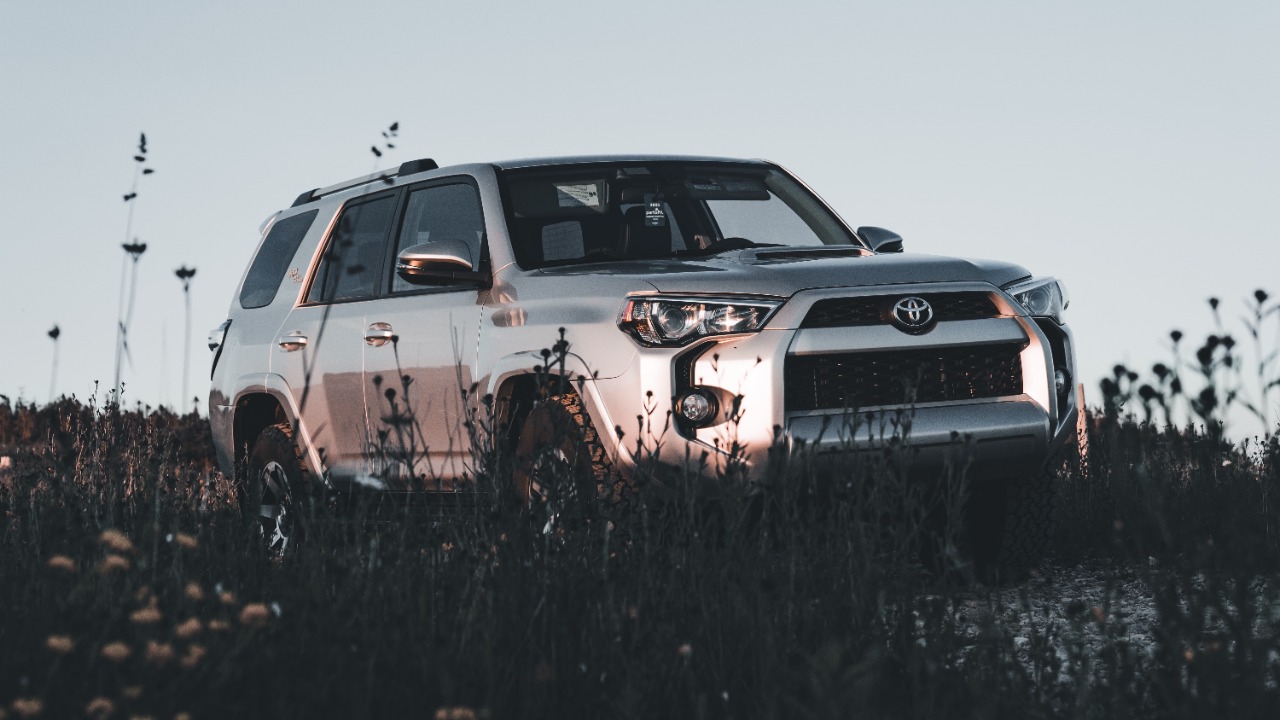

The Toyota Sequoia has quietly become a statistical outlier in a market where most vehicles are retired long before 250,000 miles. Recent longevity rankings show that the full-size SUV is several times more likely to reach a quarter-million miles than the typical model, underscoring how wide the durability gap has grown between brands and segments. For buyers facing record vehicle prices and higher borrowing costs, those odds are no longer trivia; they are a financial strategy.
How reliability rankings elevated the Sequoia above the pack
Long-distance durability is no longer judged by anecdotes from taxi fleets. Several analytics firms now mine millions of odometer readings from used vehicle transactions and service records to identify which models most often cross 200,000 and 250,000 miles. Across those datasets, the Toyota Sequoia consistently appears at or near the top, with a significantly higher share of high-mileage examples than the market average. That statistical lead is large enough that analysts estimate the typical vehicle has roughly one-eighth the chance of surviving to 250,000 miles compared with this SUV.
One key study of models most likely to reach a quarter-million miles placed the Sequoia in the number one position, ahead of other body-on-frame SUVs and pickups. The same research found that several Toyota and Lexus nameplates clustered near the top of the list, reinforcing the pattern that the brand’s trucks and large SUVs are engineered for long service lives. By contrast, many mainstream sedans and crossovers barely registered in the 250,000-mile sample, which pulled down the overall average and widened the gap to the Sequoia.
The pattern is not limited to the very highest mileage tier. A separate analysis of vehicles most likely to exceed 200,000 miles showed a similar dominance by Toyota and other Japanese brands, with full-size SUVs, pickups, and a handful of hybrids outperforming smaller passenger cars. In that ranking, models like the Toyota Land Cruiser, Toyota 4Runner, and Honda Pilot frequently appeared among the leaders, while domestic sedans and compact crossovers rarely cracked the top group. The Sequoia’s performance at 250,000 miles essentially extends that same reliability curve farther out.
Other lists that focus specifically on the longest-lasting cars, trucks, SUVs, and hybrids confirm that the Sequoia is part of a broader cluster of high-mileage workhorses. These reports consistently highlight that large, truck-based SUVs such as the Sequoia, Chevrolet Suburban, and GMC Yukon log a disproportionate share of very high odometer readings. The methodology varies slightly across studies, but the conclusion is consistent: the Sequoia sits at the extreme end of an already durable segment, while the average vehicle falls far behind.
Several buyer-focused guides that rank the ten vehicles most likely to reach 250,000 miles also reinforce the Sequoia’s position. In those comparisons, it often leads a group that includes the Toyota Tundra, Toyota Tacoma, and a few heavy-duty pickups. The repetition of the same nameplates across independent datasets gives weight to the claim that the Sequoia’s odds of hitting 250,000 miles are many times better than the market norm, rather than a fluke of a single study.
Why 250,000-mile odds matter more in the current market
The gap between a Sequoia and the average vehicle is not just a bragging point for owners. It has direct implications for total cost of ownership, especially as new vehicle prices and financing costs have climbed. A model that can reliably serve for 250,000 miles allows a buyer to spread the purchase price, taxes, and registration fees over a longer period. That advantage is particularly attractive when a new full-size SUV can easily cost more than many households’ annual income.
Longevity rankings that track which vehicles reach 200,000 miles show that high-mileage durability often translates into stronger resale values. Used shoppers who recognize that a Sequoia or similar SUV routinely passes 200,000 miles are willing to pay more for a 100,000-mile example, because they view it as only halfway through its useful life. The average vehicle, by contrast, may be perceived as near the end of its reliable years at the same mileage, which depresses its resale price and increases depreciation for the first owner.
Consumer guides that highlight the longest-lasting cars, trucks, SUVs, and hybrids emphasize that these models can dramatically reduce the cost per mile over a decade or more of use. A Sequoia that reaches 250,000 miles with manageable repair costs can undercut the lifetime expense of a cheaper vehicle that requires major work or replacement at 150,000 miles. The difference becomes even more significant for families that tow, haul, or drive long distances, where annual mileage accumulates quickly.
The Sequoia’s outlier status also intersects with broader reliability trends. Lists of the longest-lasting vehicles often point out that Japanese brands dominate the upper ranks, while some American models struggle to break into the top tier. One analysis of the longest-lasting cars to 250,000 miles reported that not a single American vehicle appeared in its top group, underscoring how far some domestic nameplates lag behind the Sequoia and its peers in long-term durability.
That disparity matters for buyers who prefer to purchase American-built vehicles or who live in regions where domestic brands have traditionally been dominant. If the odds of reaching 250,000 miles are significantly lower for the average model, owners may face higher long-term costs or more frequent replacement cycles. For fleet operators, ride-hailing drivers, and rural households that rely heavily on a single vehicle, those probabilities can shape brand loyalty and purchasing decisions for years.
The focus on 250,000-mile performance also reflects a shift in consumer expectations. Earlier generations often traded vehicles around 100,000 miles, in part because rust, drivetrain wear, and limited safety features made older cars less appealing. Modern vehicles are engineered with better corrosion protection, more durable drivetrains, and advanced safety systems that remain competitive for longer. In that environment, a model that can reliably serve for 15 to 20 years of typical driving without catastrophic failures has a clear competitive advantage.
How automakers and buyers are likely to respond to the longevity gap
The statistical lead that the Sequoia and similar models enjoy at 250,000 miles is already influencing how automakers position their lineups. Detailed rankings of the vehicles most likely to last 250,000 miles show that body-on-frame SUVs and pickups dominate the top ten, which encourages manufacturers to keep investing in truck platforms even as they roll out more crossovers. The ability to market a vehicle as a quarter-million-mile candidate has become a selling point in its own right.
Guides that spotlight the longest-lasting cars and SUVs have also begun to highlight newer hybrid and electrified models that appear in high-mileage datasets. Some rankings of the longest-lasting cars, trucks, SUVs, and hybrids include hybrid versions of popular models, suggesting that electrified powertrains can match or exceed the durability of traditional gasoline engines when engineered conservatively. That trend could gradually reshape the list of 250,000-mile leaders over the next decade.
Consumer-oriented lists of vehicles most likely to last 200,000 miles already encourage shoppers to prioritize certain nameplates and configurations. Buyers who study these rankings are more likely to choose a Sequoia, Tundra, or similar high-mileage performer instead of a lower-ranked alternative, especially if they plan to keep the vehicle for a long time. As awareness spreads, models with weak longevity records may face pressure to improve or risk losing market share to more durable competitors.
For individual buyers, the practical takeaway is to treat 250,000-mile odds as a core part of the purchase decision rather than a curiosity. That means looking beyond initial price and features to examine independent longevity rankings, owner-reported reliability, and the track record of the specific engine and transmission combination. A buyer who chooses a Sequoia or another top-ranked model is effectively betting on a higher probability of long-term service, lower depreciation per mile, and fewer major repairs late in the vehicle’s life.