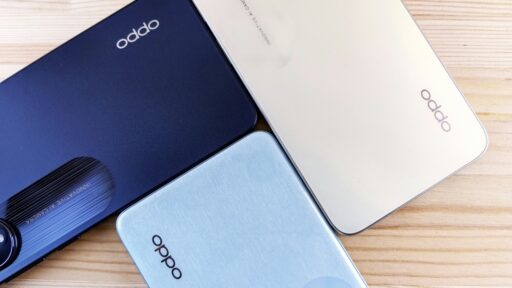
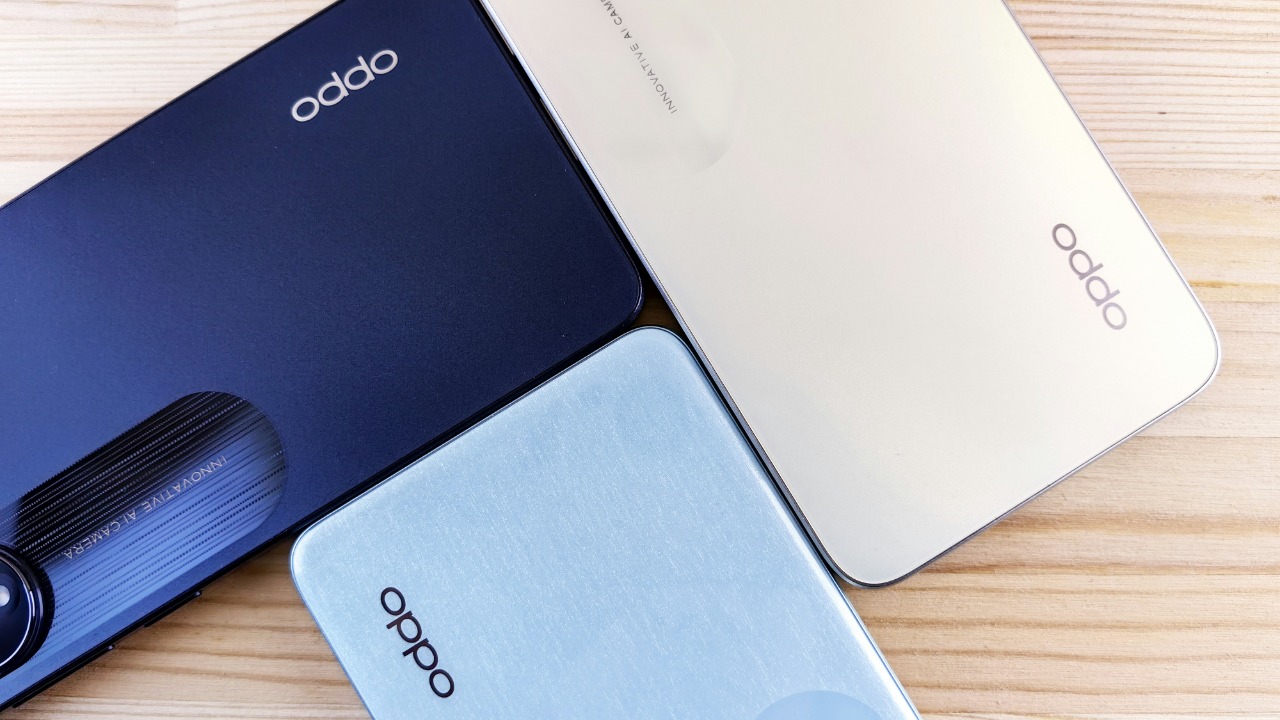

Oppo phones are sold across Asia, Europe, the Middle East and numerous other international markets, yet the company behind the familiar green logo remains surprisingly misunderstood.
For years, descriptions of the smartphone industry routinely placed Oppo inside a giant Chinese electronics empire called BBK Electronics. The same family tree was commonly said to include Vivo, OnePlus, Realme and iQOO.
The reality today is more complicated.
Oppo is a Chinese technology company headquartered in Dongguan, Guangdong, and the company identifies itself as a global technology brand operating in more than 70 countries and regions. Its official corporate information traces the Oppo brand back to its registration in 2001 and its formal launch in 2004. (oppo.com)
So who owns Oppo today, and what happened to the famous BBK connection?
The answer requires looking at how one of China’s most influential consumer-electronics networks evolved.
Oppo Is Operated by Guangdong Oppo Mobile Telecommunications
The company behind Oppo smartphones is Guangdong Oppo Mobile Telecommunications Corp., Ltd.
It is based in Dongguan, a major manufacturing center in China’s Guangdong province.
Oppo develops much more than smartphones. Its product ecosystem has expanded into tablets, wireless earbuds, smartwatches and other connected devices, while the company has invested heavily in imaging, artificial intelligence, battery technology and mobile software.
According to Oppo’s official company profile, its ColorOS operating system serves hundreds of millions of users worldwide. (oppo.com)
Unlike Apple, Oppo is not a publicly traded company with shares ordinary investors can purchase on a major stock exchange.
That makes its ownership less transparent than companies that publish extensive shareholder disclosures every quarter.
It also helps explain why simplified explanations involving BBK became so widespread.
So Where Does BBK Electronics Fit In?
BBK Electronics is central to understanding Oppo’s history.
BBK was founded by Chinese entrepreneur Duan Yongping in the 1990s after his earlier success in consumer electronics.
The company built products including audio equipment, DVD players and other electronics before businesses associated with its broader corporate network moved aggressively into mobile phones.
Oppo emerged from this environment.
Vivo did too.
Over time, international media and market analysts frequently described Oppo and Vivo as subsidiaries or brands associated with BBK Electronics.
This became an extremely convenient way to explain the industry.
BBK was the parent.
Oppo, Vivo, OnePlus and Realme were the brands underneath it.
But corporate relationships changed substantially over time, and that old diagram is no longer a reliable description of the companies today.
BBK Electronics Has Effectively Disappeared
This is the part many smartphone explanations miss.
The entity most commonly identified as BBK Electronics ceased operating in the form people recognized.
Reporting based on Chinese corporate records showed that Guangdong BBK Electronics Industry Co., Ltd. was deregistered in April 2023.
The BBK website subsequently disappeared as well.
That makes statements such as “BBK Electronics currently owns Oppo” increasingly misleading.
Historical connections remain important, but the old BBK structure should not automatically be treated as the present-day ownership arrangement.
Oppo and Vivo now operate as separate major businesses.
This distinction matters because articles, product comparisons and even corporate databases sometimes continue repeating the older BBK description long after the underlying structure changed.
Duan Yongping Is the Key Figure Behind the Story
To understand why Oppo and Vivo are so frequently grouped together, one person matters more than anyone else: Duan Yongping.
Duan became one of China’s notable technology entrepreneurs after building a successful consumer-electronics business and later establishing BBK.
His influence extended beyond manufacturing.
He became known as an investor and has publicly discussed investment principles influenced by Warren Buffett.
Yet describing Duan simply as “the owner of Oppo” would also oversimplify the modern situation.
Oppo developed its own management structure and leadership.
The company’s founder and chief executive is Tony Chen, also known as Chen Mingyong.
Oppo’s official corporate history identifies Chen as the founder and CEO and describes the company’s evolution from early consumer-electronics products into a global technology business. (oppo.com)
The connection between Duan, BBK and Oppo is therefore historically significant without necessarily providing a simple answer to current equity ownership.
Tony Chen Built Oppo Into a Smartphone Giant
Tony Chen played the central operational role in Oppo’s development.
The company initially became known for electronics such as MP3 players and DVD equipment before moving seriously into mobile phones.
Oppo entered the smartphone era at an unusually important moment.
Chinese manufacturers were becoming capable of producing increasingly sophisticated Android devices while domestic demand for smartphones was exploding.
Instead of competing only on low prices, Oppo invested heavily in physical retail.
Its phones appeared in shops across smaller Chinese cities where customers could see and handle devices before buying them.
That strategy proved extremely effective.
Oppo later expanded aggressively outside China, particularly across Southeast Asia and other developing smartphone markets.
Its international presence eventually made it one of the world’s largest smartphone manufacturers.
Industry tracker IDC regularly includes Oppo among the major global smartphone vendors in its worldwide shipment data.
The company therefore evolved far beyond being a small brand within a larger electronics group.
Is OnePlus Owned by Oppo?
This relationship is much clearer today.
OnePlus was founded in 2013 by Pete Lau and Carl Pei and initially developed a distinct identity built around enthusiast-focused smartphones.
The company marketed itself differently from Oppo.
Its phones used different branding.
Its software strategy differed.
Its fan community developed independently.
But Oppo and OnePlus always had connections.
Pete Lau had previously worked at Oppo, and the companies shared relationships behind the scenes.
Those connections became much more explicit in 2021.
OnePlus announced that it would further integrate its organization with Oppo, while continuing to operate as a separate brand. OnePlus has since maintained its own consumer-facing identity, even as product development and technology sharing with Oppo increased.
Today, it is reasonable to describe OnePlus as closely integrated with Oppo.
That relationship is much more direct than simply saying both belong to BBK.
What About Realme?
Realme has another interesting connection.
The brand began as part of Oppo before becoming an independent company in 2018.
Its founder, Sky Li, previously served as an Oppo executive.
Realme subsequently grew rapidly by targeting younger consumers with aggressively priced Android smartphones.
That historical relationship explains why Oppo and Realme devices can sometimes appear technically related.
Design approaches, supply chains and broader industry relationships can overlap even when the brands operate separately.
Realme now presents itself as an independent global consumer-technology brand rather than simply an Oppo product line.
This is another reason the old BBK family-tree graphic can be misleading.
Historical relationships do not necessarily equal present corporate ownership.
And Vivo?
Vivo shares deep historical roots with the same BBK ecosystem but operates separately from Oppo.
It has its own product development, management, marketing and smartphone portfolio.
Vivo also controls the iQOO smartphone brand, which focuses heavily on performance-oriented devices.
Oppo, meanwhile, has the much more explicit modern relationship with OnePlus.
This creates two recognizable branches within the former BBK-associated ecosystem.
Oppo and OnePlus sit closely together.
Vivo and iQOO sit closely together.
Realme has historical Oppo connections but operates independently.
That picture is more accurate than placing every brand underneath one active BBK parent company.
Why Do Oppo, OnePlus and Realme Phones Sometimes Look Similar?
Consumers often notice something strange when comparing phones from these brands.
The specifications can be remarkably similar.
A OnePlus phone and an Oppo model may use similar displays, charging technology, cameras or chassis designs.
Sometimes the similarities extend even further.
This is not accidental.
Oppo and OnePlus increasingly share research, engineering and supply-chain resources.
Their software has also moved closer together.
OnePlus devices outside China generally use OxygenOS, while Oppo uses ColorOS, but the underlying software platforms have become deeply related.
Shared technology can reduce development costs.
Instead of engineering every charging system, camera algorithm and hardware component independently, companies can reuse proven platforms while differentiating products through design, pricing, software features and market positioning.
The automotive industry does something similar.
Two brands can sell vehicles using the same platform while presenting them to completely different customers.
Oppo Has Become a Major Technology Developer in Its Own Right
Understanding ownership should not obscure what Oppo itself has become.
The company invests heavily in research and development.
Fast charging is one obvious example.
Oppo’s VOOC and SuperVOOC technologies pushed smartphone charging speeds upward long before extremely fast charging became common across the Android market.
Its technologies subsequently appeared across related product ecosystems.
Oppo has also invested in smartphone photography, foldable devices and artificial intelligence.
The company’s global technology information describes extensive R&D operations and intellectual-property development across multiple technology areas. (oppo.com)
This matters because Oppo is sometimes treated in Western markets as merely another Android handset label.
Globally, it is an enormous technology organization with substantial engineering resources.
Is Oppo Owned by the Chinese Government?
There is no public evidence establishing Oppo as a Chinese state-owned enterprise.
It is generally described as a privately held Chinese technology company.
That distinction is important.
Being headquartered in China does not automatically make a company government-owned.
China has state-owned enterprises, publicly listed corporations and privately controlled companies operating under very different ownership structures.
Oppo falls into the privately held category.
Because it is not publicly traded, however, outsiders have less access to detailed shareholder information than they would have for a company such as Apple or Samsung Electronics.
That limited disclosure contributes to confusion about exactly who owns what percentage of the business.
Why Oppo’s Ownership Is So Frequently Misreported
The simplest explanation is that the old story was easier.
“BBK owns Oppo” fits into one sentence.
The actual history involves changing corporate entities, founders, management structures, related businesses and brands that became increasingly independent.
Search results also preserve old information.
An article written in 2019 can continue appearing prominently years later even though the corporate structure it describes has changed.
Then other websites copy that explanation.
Eventually, outdated information starts looking authoritative simply because it appears everywhere.
This is particularly common with privately held companies because there are fewer public shareholder filings available to settle the question.
So Who Owns Oppo Today?
The safest current description is straightforward.
Oppo is a privately held Chinese technology company operated through Guangdong Oppo Mobile Telecommunications Corp., Ltd., led by founder and CEO Tony Chen.
Oppo has deep historical connections to BBK Electronics and its founder Duan Yongping.
But describing BBK Electronics as Oppo’s current parent company oversimplifies a corporate structure that has changed considerably, particularly after the deregistration of the old BBK Electronics entity.
OnePlus is now closely integrated with Oppo.
Realme originated from Oppo but became independent.
Vivo shares historical BBK roots but operates separately, with iQOO sitting within its own ecosystem.
The result is less like one enormous company selling phones under five different names and more like a collection of businesses that grew from overlapping roots before developing different corporate paths.
That distinction explains something consumers have noticed for years.
Oppo, OnePlus, Realme and Vivo phones can sometimes feel strangely related because, historically, they are.
But shared history does not necessarily mean shared ownership today.
And that is why answering “Who owns Oppo?” requires considerably more than simply saying BBK Electronics.