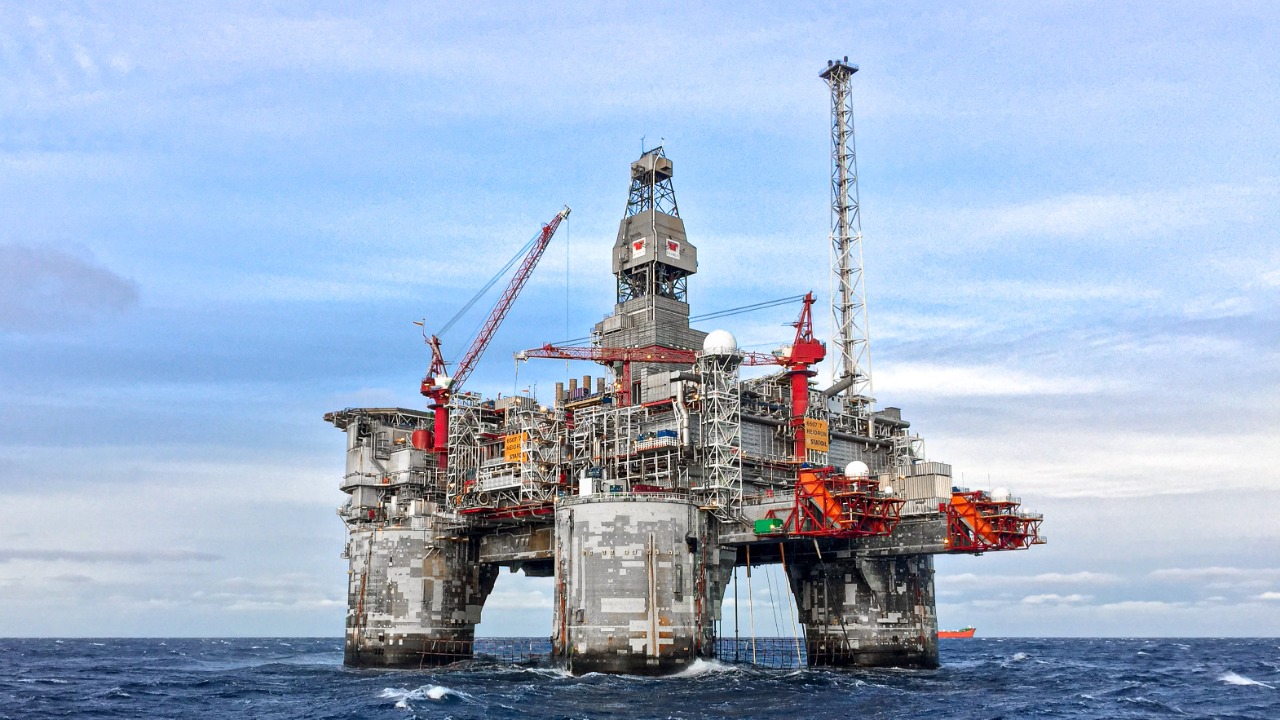

For decades, the North Sea has been one of Europe’s most important energy regions.
Its oil and gas fields helped power economies, support thousands of jobs, and transform the energy landscape of the United Kingdom and neighboring countries.
But after more than 50 years of production, the North Sea is entering a new phase.
The central question is no longer how much energy can be extracted from the region.
It is how much remains, whether further drilling makes economic sense, and what role the North Sea should play in the future energy system.
The debate has become increasingly complex because it involves energy security, climate targets, employment, and the transition toward renewable energy.
The History of North Sea Oil and Gas
Large-scale North Sea oil production began in the 1970s, turning the region into a major global energy hub.
The discovery of significant offshore reserves transformed parts of the UK economy and created a powerful offshore industry.
Thousands of workers became involved in:
Exploration.
Drilling.
Engineering.
Maintenance.
Transportation.
The North Sea Transition Authority manages oil and gas licensing and resources in the UK Continental Shelf, overseeing the region’s transition as production changes over time.
For many years, North Sea fields supplied a significant portion of the UK’s energy needs.
However, mature oil regions naturally decline as easily accessible reserves are produced.
How Much Oil and Gas Is Left?
The amount of remaining North Sea resources is difficult to measure precisely.
Oil and gas reserves are not simply a fixed amount waiting to be extracted.
They depend on several factors:
Technology.
Production costs.
Energy prices.
Environmental regulations.
Investment decisions.
A field that was considered uneconomic decades ago may become viable with improved technology or higher energy prices.
At the same time, some resources may remain underground because extracting them is too expensive or environmentally challenging.
The question is therefore not only:
“How much exists?”
It is:
“How much can realistically be produced?”
Why New Drilling Remains Controversial
Supporters of continued North Sea drilling argue that domestic production can improve energy security.
They believe producing more oil and gas locally can reduce dependence on imports and support jobs in energy-producing regions.
They also argue that oil and gas demand will continue globally for years, meaning production will continue somewhere regardless of UK decisions.
The UK government’s energy policies have included efforts to balance domestic energy production with climate commitments.
The UK Department for Energy Security and Net Zero oversees energy policy, including security of supply and the transition toward lower-carbon energy.
Why Climate Groups Oppose More Extraction
Environmental organizations argue that expanding fossil fuel production conflicts with efforts to reduce greenhouse gas emissions.
Their argument is based on the idea that limiting global warming requires reducing dependence on fossil fuels.
They point to scientific assessments showing that continued increases in fossil fuel emissions create challenges for meeting climate targets.
The Intergovernmental Panel on Climate Change (IPCC) has emphasized the need for major reductions in greenhouse gas emissions to limit future climate impacts.
From this perspective, the issue is not whether oil and gas remain underground forever, but how quickly societies transition away from fossil fuel dependence.
The Energy Security Argument
The debate has intensified because energy security has become a major concern.
Global events have shown how vulnerable energy markets can become when supply chains are disrupted.
Countries must consider:
Reliable energy availability.
Affordable prices.
Reduced dependence on unstable suppliers.
Supporters of North Sea production argue that domestic resources provide a level of security during uncertain periods.
Critics respond that long-term energy security requires accelerating investment in renewable energy, storage, and efficiency.
The Economic Importance of the North Sea Industry
The North Sea oil and gas sector has supported major economic activity for decades.
It has created specialized skills in:
Offshore engineering.
Marine operations.
Energy technology.
Industrial services.
Many communities depend on the industry directly or indirectly.
This creates a challenge for the energy transition.
Moving away from fossil fuels requires not only replacing energy sources but also supporting workers and regions connected to traditional energy industries.
Can North Sea Skills Support Renewable Energy?
Many experts argue that offshore oil and gas expertise can contribute to renewable industries.
The North Sea is already becoming a major location for offshore wind development.
The engineering knowledge required for offshore platforms, subsea infrastructure, and marine operations can be valuable in renewable energy projects.
The Crown Estate has supported offshore wind development in UK waters, highlighting the growing importance of marine renewable energy.
This creates the possibility of an energy transition where existing skills are adapted rather than discarded.
The Rise of Offshore Wind
The North Sea has become one of the world’s most important offshore wind regions.
Its shallow waters and strong wind conditions make it suitable for large-scale wind projects.
Offshore wind can provide electricity without producing the same direct carbon emissions as fossil fuel combustion.
However, renewable energy also faces challenges:
Grid connections.
Energy storage.
Weather variability.
Infrastructure investment.
Replacing fossil fuels requires building a complete energy system, not only installing turbines.
Why Oil and Gas Demand Is Not Disappearing Immediately
Even as renewable energy grows, global demand for oil and gas remains significant.
These fuels are used not only for transportation and electricity but also for:
Petrochemicals.
Manufacturing.
Industrial processes.
Aviation.
Shipping.
This means the transition away from fossil fuels is complicated.
Energy systems cannot change overnight.
Countries must manage the period where traditional fuels remain important while developing alternatives.
Decommissioning Is Becoming a Major Issue
As North Sea fields mature, another challenge is becoming increasingly important:
What happens when platforms stop producing?
Offshore infrastructure must eventually be removed, recycled, or repurposed.
Decommissioning involves:
Removing platforms.
Managing underwater equipment.
Restoring marine environments.
Handling industrial waste.
The process is technically complex and expensive.
However, it also creates new opportunities for specialized industries.
The Future of the North Sea Will Be Different
The North Sea energy story is moving from expansion toward transformation.
The region that once represented the growth of offshore oil and gas is becoming a testing ground for a broader energy transition.
The future may include a combination of:
Remaining oil and gas production.
Offshore wind.
Carbon capture projects.
Hydrogen development.
New energy technologies.
The region’s role is changing rather than disappearing.
The Real Question Is About Timing
The debate over North Sea drilling is often presented as a simple choice between fossil fuels and renewable energy.
The reality is more complicated.
Governments must balance:
Energy security.
Economic stability.
Climate commitments.
Consumer costs.
Industrial transition.
The difficult question is not whether the energy system will change.
It is how quickly and smoothly that change can happen.
Final Thoughts
The North Sea has powered the UK and Europe for generations, but its next chapter will look very different from its past.
The remaining oil and gas resources may still play a role in the short term, but the region is increasingly becoming part of a wider energy transition.
The future of the North Sea will not be defined only by what can be extracted from beneath the seabed.
It will also be defined by how effectively the region can transform its expertise, infrastructure, and workforce for a new energy era.