
BMW owners in more than 70 countries are discovering an unexpected visitor on their infotainment screens: Spider-Man. The automaker has pushed a promotional banner for Spider-Man: Brand New Day to compatible vehicles, prompting criticism from drivers who believe a privately owned luxury car should not double as advertising space.
The headline requires one important clarification. BMW is not automatically forcing drivers to watch a full-screen commercial before they can use their vehicles. Starting an eligible car displays a promotional banner on the Control Display, but the accompanying animation begins only after the driver selects it.
Even with that distinction, the campaign has opened a larger debate about connected cars. If an automaker can remotely place one movie promotion on a dashboard after purchase, owners are questioning what might appear there next.
How BMW’s Spider-Man Dashboard Promotion Works
BMW launched the campaign on July 27, 2026, alongside the theatrical release of Spider-Man: Brand New Day. It is scheduled to remain available until August 10.
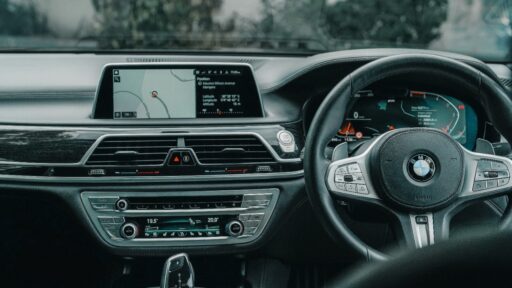
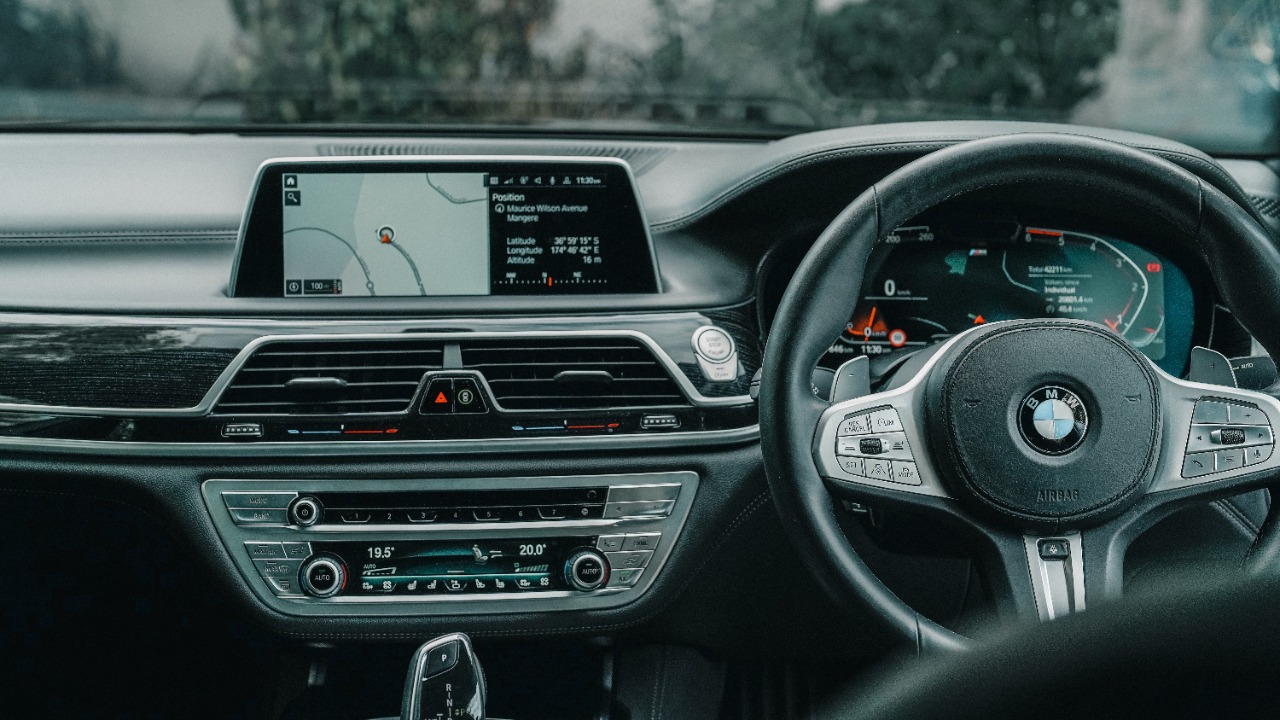
When a compatible vehicle starts, a banner appears on its central Control Display. Selecting the prompt launches a full-screen Spider-Man animation with background music. In BMWs equipped with suitable ambient lighting, the interior lights change in coordination with the presentation.
BMW’s official announcement about the Spider-Man partnership describes the content as a “festive animation” and a special surprise for customers rather than a conventional advertisement. The company says the experience is available in participating markets on suitably equipped vehicles produced after July 2020.
Compatible software includes BMW Operating System 7, 8, 8.5, 9 and the newer Operating System X. The exact experience may vary because the lighting effects and other presentation elements depend on the optional equipment installed in each vehicle.
Drivers Are Not Forced to Play the Full Animation
The promotional banner appears when the car starts, but drivers must actively select it before the full-screen sequence plays. The animation does not automatically begin with its music and lighting effects.
That makes the campaign less intrusive than an unskippable video that prevents access to navigation, climate settings or other controls. However, it does not fully address the central complaint. BMW still made the decision to place commercial entertainment content on privately owned vehicles without owners specifically requesting it.
Coverage from The Verge reported that the presentation can remain available through the infotainment system for later viewing when it is not opened immediately. BMW’s implementation therefore resembles an optional in-car experience, but one introduced through a promotional prompt that customers did not independently download.
The most accurate description is that BMW is forcing the promotional banner onto compatible displays, not forcing customers to watch the entire commercial.
BMW Says It Is an Experience, but Owners See an Advertisement
BMW’s preferred terminology is understandable from a marketing perspective. The animation uses the company’s Festive App, which has previously delivered seasonal presentations connected with occasions such as Christmas and Halloween. Those experiences are usually positioned as small digital extras for owners.
The Spider-Man content is different because it directly promotes a commercial movie in which BMW vehicles appear. The animation ends by connecting BMW with the film’s cinema release, making the content difficult to separate from conventional advertising.
The broader partnership places the BMW iX3 and 5 Series Sedan inside Spider-Man: Brand New Day. BMW also created a one-off iX3 Flow featuring full-colour E Ink exterior elements and animated graphics inspired by the superhero. That vehicle was developed with Sony and Marvel and displayed as part of the film campaign.
From BMW’s perspective, the dashboard animation extends an entertainment partnership already involving product placement, promotional films and a specially designed vehicle. From an owner’s perspective, it is still a message promoting an external product on a screen required for controlling important parts of the car.
BMW Previously Called the Car a Private Space
Much of the criticism comes from BMW’s earlier public position on in-car advertising.
In 2023, BMW connected-company executive Stephan Durach rejected the idea of selling dashboard space for commercials. He described the car as a person’s “last private space” and suggested that conventional advertisements would conflict with that environment.
The comments were reported at the time by MediaPost and have resurfaced as owners compare them with the Spider-Man campaign. BMW can argue that it has not sold recurring dashboard inventory to outside advertisers and that the movie animation is part of its own brand collaboration. Nevertheless, the visual distinction may be meaningless to a customer who sees an unsolicited film promotion after starting the car.
The disagreement therefore depends partly on definition. BMW considers the content an optional branded experience. Critics consider any commercial message delivered to a purchased vehicle’s display an advertisement.
The Heated-Seat Subscription Controversy Has Not Been Forgotten
The reaction has also been intensified by BMW’s previous experiment with subscriptions for hardware already installed in vehicles.
In certain markets, BMW offered owners the option to pay repeatedly to activate heated seats that were physically present in the car. The company abandoned that particular subscription model in 2023 following substantial customer criticism, although it continued exploring payments for software-based services.
Edmunds reported on BMW’s decision to end the heated-seat subscription, noting that the controversy had become an important example of resistance to post-purchase automotive monetisation.
The Spider-Man animation does not charge owners or disable a feature. Even so, it touches the same concern: the manufacturer continues controlling the vehicle’s digital environment after the customer has paid for the car.
For critics, the issue is not one brief superhero animation. It is the possibility that automakers will increasingly treat connected vehicles as platforms for subscriptions, promotions, shopping and paid digital services.
Connected Cars Make Dashboard Advertising Technically Easy
Modern vehicles remain connected to manufacturer servers for navigation data, remote services, software updates, maintenance information and new features. Those connections can improve a car after it leaves the factory, but they also give the manufacturer continuing influence over what appears inside it.
A useful software update may improve charging, repair a bug or add a requested feature. The same delivery infrastructure can also distribute promotional content.
BMW is not the only automaker facing criticism over this boundary. Jeep owners have previously reported infotainment pop-ups promoting extended warranties and vehicle offers. Such incidents indicate that in-car advertising is becoming an industry-wide question rather than an isolated BMW decision.
Automakers may view dashboard promotions as valuable because they reach verified customers inside a controlled digital environment. Owners may view the same strategy as especially intrusive because the vehicle is not a free service supported by advertising. It is an expensive private product that may already require payments for connectivity and optional functions.
Could Dashboard Promotions Become a Safety Problem?
The current BMW animation requires active selection, which reduces the risk of a loud full-screen presentation appearing unexpectedly. The temporary banner nevertheless raises questions about how promotional messages should be separated from essential controls.
An infotainment screen may contain navigation, parking cameras, climate settings, charging information and vehicle warnings. Introducing commercial prompts into that space can compete for attention, particularly when a driver is starting the vehicle and preparing to move.
One limited campaign does not establish that BMW plans to introduce regular advertising. The company has characterised the Spider-Man presentation as a temporary, one-off experience connected with a broader film partnership. The promotion is also scheduled to disappear after August 10.
The technological precedent remains more important than the length of the animation. BMW has demonstrated that it can distribute a global marketing experience directly to millions of compatible dashboards. Future campaigns could become more frequent, more targeted or more commercially aggressive unless customer expectations create a firm boundary.
The Backlash Is Really About Ownership
The Spider-Man campaign is unusual, but the disagreement behind it is simple. BMW believes it is adding a brief piece of entertainment to compatible cars. Owners who object believe purchasing the vehicle should give them control over what appears on its screens.
Both interpretations acknowledge that the full animation is optional. The dispute begins before the video plays, when the manufacturer decides that a movie promotion belongs on the startup display.
BMW’s campaign will soon end, and many drivers may never consider it more than a harmless novelty. Others will see it as evidence that the meaning of vehicle ownership is changing. The physical car belongs to the customer, but its software environment remains partly controlled by the company that built it.
Spider-Man may disappear from BMW dashboards after August 10. The question of who controls those dashboards will remain much longer.