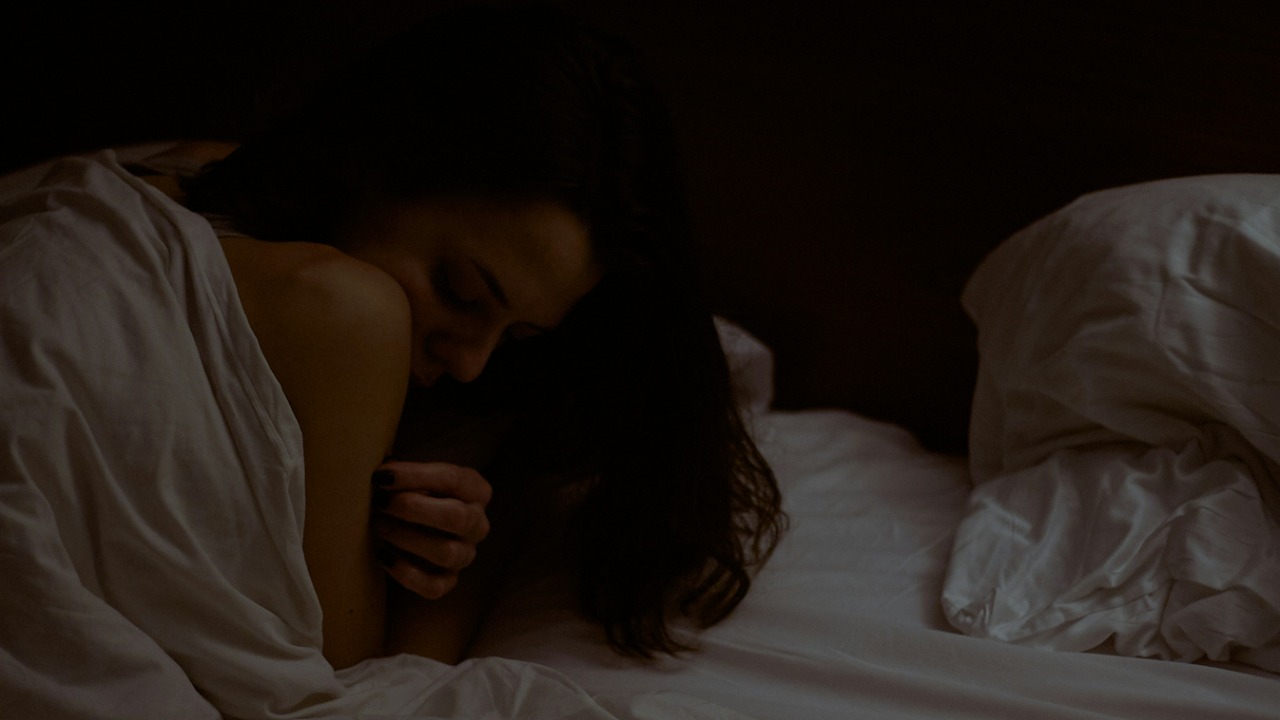

Waking unexpectedly in the middle of the night can turn a quiet bedroom into a place of growing frustration. The person may check the time, begin calculating how many hours remain before morning and worry about feeling exhausted the next day. Within minutes, a brief awakening can become a prolonged period of alertness.
An eight-second breathing exercise may help interrupt that cycle. The technique is commonly known as 4-7-8 breathing because it combines a four-second inhalation, a seven-second pause and an eight-second exhalation. It requires no equipment, bright screen or movement out of bed, making it a practical relaxation method for nighttime wake-ups.
The exercise is not a guaranteed cure for insomnia, and it will not address every reason a person wakes during the night. However, slowing the breath and focusing on a simple counting pattern may reduce mental stimulation and help the body return to a calmer state.
What Is the 8-Second Breathing Exercise?
The phrase “eight-second breathing exercise” usually refers to the extended exhalation used in the 4-7-8 breathing technique. The entire cycle lasts longer than eight seconds, but its defining feature is a slow eight-second breath out.
To practise it, the sleeper remains in a comfortable position and relaxes the jaw, shoulders and hands. The person then inhales gently through the nose for four seconds, holds the breath for seven seconds and exhales slowly through the mouth for eight seconds. The sequence can be repeated four times.
The NHS guide to sleep meditation and breathing recommends this same 4-7-8 pattern and explains that its repetitive counting can help direct attention away from worries or intrusive thoughts.
The breath should remain gentle rather than forceful. A person does not need to fill the lungs as deeply as possible or create a dramatic exhalation. The goal is to slow the rhythm, not to turn the technique into a breathing challenge.
Why Nighttime Wake-Ups Can Become Hard to Escape
The first few moments after waking often determine whether the person settles again or becomes fully alert. Looking at a phone, switching on a bright light or repeatedly checking the clock can increase mental engagement. Worry then adds another layer of stimulation.
Thoughts such as “There are only three hours left” or “Tomorrow will be ruined” can make sleep feel like an urgent task. The harder the person tries to force sleep, the more frustrating the experience may become.
A counted breathing pattern gives the mind a neutral point of attention. Instead of following work concerns, unfinished conversations or tomorrow’s schedule, the person concentrates on four, seven and eight. That simple task can reduce the tendency to mentally rehearse problems during the night.
Slow breathing may also encourage a relaxation response. The Sleep Foundation’s guidance for falling back asleep notes that deep, controlled breathing may engage processes associated with the parasympathetic nervous system, which supports calmness and rest.
Why the Eight-Second Exhale Matters
The extended exhalation is the most important part of the method. Many people breathe quickly and shallowly when they are anxious, frustrated or highly alert. Deliberately lengthening the breath out creates a slower overall rhythm.
The counting also discourages rushed breathing. When the exhale lasts eight seconds, the person must release the air gradually rather than forcing it out at once. This can make the exercise feel more controlled and calming.
The technique should still feel comfortable. Some sleepers find the seven-second breath hold difficult, particularly when first practising the method. In that situation, forcing the full count may create tension rather than relaxation.
A gentler version can be used by inhaling comfortably and making the exhale slightly longer than the inhale without holding the breath. The NHS offers a simpler breathing approach in which a person breathes gently, counts during the inhale and then uses a similar relaxed count during the exhale. The guidance emphasizes breathing as deeply as comfortable without forcing it.
Consistency matters more than reaching an exact number immediately. A shortened pattern can gradually become slower as the person becomes familiar with the exercise.
How to Use the Technique Without Becoming More Awake
The exercise works best when it remains simple and low-pressure. The sleeper should avoid reaching for a phone timer because screen exposure and notifications may create additional stimulation. Counting silently is usually sufficient.
The room should remain dark, and the body should stay in its preferred sleeping position. Closing the eyes and relaxing the tongue, forehead and shoulders can prevent unnecessary muscular tension.
The person can complete four cycles and then allow normal breathing to resume. If sleep does not arrive immediately, the exercise can be repeated after a brief pause. It should not become another performance test. There is no benefit in monitoring whether it is “working” after every breath.
The technique may become easier when practised during the day or before bedtime. Familiarity removes the need to remember each step while half-awake. Over time, the breathing pattern itself may become associated with winding down.
What to Do When Breathing Does Not Bring Sleep Back
A breathing exercise can support relaxation, but remaining in bed for a long period while becoming increasingly frustrated may strengthen the association between bed and wakefulness.
When the person remains clearly awake, it may be more helpful to leave the bed temporarily and move to a dimly lit, quiet area. Reading something calm or listening to gentle audio can provide a low-stimulation activity until drowsiness returns.
MedlinePlus sleep guidance recommends getting out of bed when sleep does not return and doing something quiet and relaxing before going back once sleepiness develops.
The person should avoid work, social media, news, intense television or anything likely to increase emotional involvement. The aim is not to begin the day early but to reduce the struggle taking place in bed.
The Technique Cannot Fix Every Cause of Night Waking
Occasional wake-ups may be connected with stress, noise, room temperature, alcohol, caffeine, discomfort or changes in routine. Frequent awakenings can also be associated with insomnia, sleep apnea, restless legs, pain, medication effects or other health conditions.
Breathing exercises may make a person feel calmer, but they do not treat an obstructed airway or another underlying disorder. Loud snoring, choking, gasping, pauses in breathing and excessive daytime sleepiness may indicate sleep apnea. The NHS overview of sleep apnea explains that the condition causes breathing to stop and restart during sleep and requires appropriate assessment and treatment.
Persistent difficulty staying asleep also deserves attention. MedlinePlus advises speaking with a healthcare professional when sleep problems continue, since ongoing disruption may be related to insomnia, sleep apnea or another sleep condition.
Anyone who becomes dizzy, short of breath or uncomfortable while holding the breath should stop and return to normal breathing. People with respiratory, cardiovascular or other relevant medical conditions may need professional guidance before using extended breath-holding exercises.
A Small Technique That Can Prevent a Bigger Sleep Struggle
The eight-second exhale is useful because it gives a nighttime awakening a calm, structured response. Instead of checking the clock or becoming trapped in anxious thinking, the sleeper has one quiet action to follow.
The technique works best as part of a wider sleep routine that includes regular sleep and wake times, a cool and dark bedroom, limited nighttime screen exposure and appropriate management of caffeine and alcohol. Breathing cannot replace those foundations, but it can support them.
The real purpose of 4-7-8 breathing is not to force unconsciousness within a specific number of breaths. It is to lower the pressure surrounding sleep. When the body is allowed to settle and the mind is given a simple rhythm to follow, returning to sleep may become easier.