
Russia launched an intense overnight barrage of ballistic missiles and drones against Kyiv, killing at least nine people in the Ukrainian capital and injuring dozens. Hours later, Ukraine said its forces had sunk a sanctioned Russian-owned container ship in the Black Sea and struck three oil refineries deep inside Russian territory.
The two developments highlighted the expanding reach and escalating intensity of the war. Russia continued attacking Ukrainian cities with weapons that Kyiv has increasingly struggled to intercept, while Ukraine used long-range drones to target Russian shipping, energy facilities and other infrastructure it says supports Moscow’s military campaign.
Authorities reported nine deaths inside Kyiv and another fatality elsewhere in the surrounding region, bringing the wider reported toll from the attack to at least 10. Casualty figures remained subject to change as emergency workers searched damaged buildings and assessed multiple strike sites.
Ballistic Missiles Strike Residential Areas Across Kyiv
Explosions were heard across Kyiv during several waves of attacks early on August 1, 2026. Ukraine said Russia launched 35 missiles, including 27 ballistic missiles, as well as 185 drones during the wider assault.
Ukrainian President Volodymyr Zelenskyy said only one of the ballistic missiles was intercepted because the country lacked sufficient interceptor missiles for its US-made Patriot air-defence systems. The shortage has become increasingly serious as Russia intensifies attacks involving weapons that are difficult for many other Ukrainian air-defence systems to stop.
According to detailed reporting from the Associated Press on the Kyiv attack, seven people were killed in the city’s Darnytskyi district after fires and structural damage affected homes, vehicles and administrative buildings. Two additional deaths were reported in the Solomianskyi district, where debris damaged a five-storey residential building.
Emergency teams evacuated 35 people from the upper floors of the damaged building in Solomianskyi. Children were among the injured, while fires and damage were reported in several other parts of the capital.
Commercial properties, residential buildings, a school and infrastructure sites were affected. Lithuania’s foreign minister also said the country’s embassy in Kyiv sustained damage when missiles struck nearby.
Russia Says It Targeted Military and Logistics Facilities
Russia’s Defence Ministry said the attack was directed at Ukrainian military-industrial facilities and logistics centres in Kyiv. Moscow and Kyiv both regularly deny intentionally targeting civilians, although repeated strikes have damaged residential neighbourhoods and caused substantial civilian casualties throughout the conflict.
The latest assault followed another major Russian attack only two days earlier. The increasing frequency of missile and drone strikes has placed additional pressure on Ukrainian emergency services and air-defence units while exposing civilians to repeated overnight alarms.
Residents described being awakened by explosions, broken windows and falling debris. Emergency crews worked through burned vehicles, damaged apartments and smoke-filled buildings as another air-raid warning signalled the possibility of further attacks.
Kyiv Mayor Vitali Klitschko said the city was working to expand and prepare additional shelters as the attacks intensified. Ukraine’s foreign minister, Andrii Sybiha, renewed calls for international partners to provide more air-defence equipment.
Ukraine Again Appeals for Patriot Interceptors
Patriot systems are among Ukraine’s most important defences against Russian ballistic missiles. However, their effectiveness depends on a continued supply of expensive interceptor missiles.
Zelenskyy said each delivery of interceptors could save lives, arguing that nights without sufficient defensive ammunition produced additional casualties. His government has repeatedly asked the United States and European allies to provide more Patriot systems and replacement missiles.
A Reuters report on Ukraine’s air-defence shortage said interceptor availability had become increasingly constrained. Ukraine’s difficulty stopping the August 1 barrage demonstrated the potential consequences when Russia launches large numbers of ballistic missiles during a short period.
The imbalance allows Russia to combine missiles with large groups of drones, forcing Ukraine to distribute limited defensive resources across several threats and locations. Even when drones are intercepted, falling debris can still damage buildings and start fires in populated districts.
Ukrainian Drones Sink the Yanina in the Black Sea
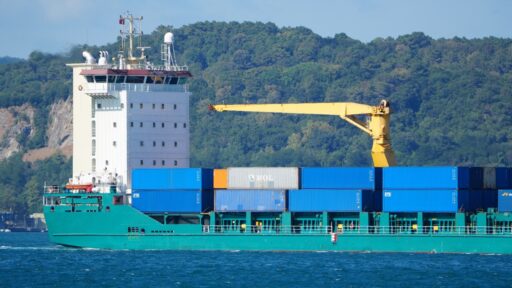
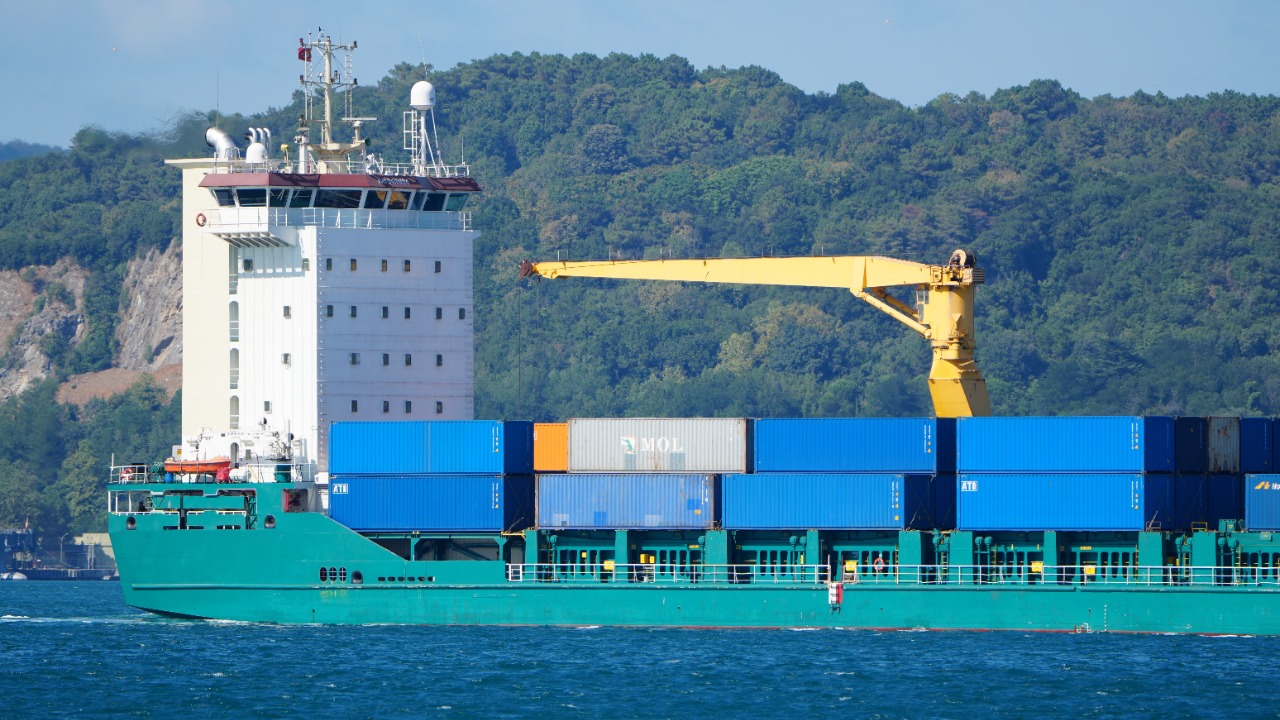
As rescue operations continued in Kyiv, Ukraine announced that its drones had sunk the Russian-owned container ship Yanina in the Black Sea.
Zelenskyy described the vessel as a sanctioned Russian ship connected with infrastructure supporting the war. Ukrainian officials said the Yanina was sailing under the Russian flag and sank after being struck. Ukraine also reported operations against targets elsewhere in the Black Sea and the Sea of Azov.
Russia’s state nuclear energy company Rosatom presented a different account. Rosatom said at least two Ukrainian drones struck the ship while it was travelling near the Russian port of Novorossiysk. The Yanina was operated by FESCO, a shipping subsidiary connected with Rosatom.
According to Rosatom, the ship was transporting civilian goods, including frozen food and construction materials. The company said there was no immediate evidence that the vessel was carrying nuclear material or performing work associated with Rosatom’s nuclear operations.
All 17 crew members abandoned the ship and were rescued in good condition, Rosatom said. The company condemned the attack, while Ukraine maintained that the sanctioned vessel formed part of the infrastructure sustaining Russia’s war effort.
The differing descriptions illustrate the difficulty of independently determining the role of commercial vessels during wartime. Shipping companies may describe cargo as civilian, while opposing forces may argue that the vessel contributes to logistics, sanctions evasion or the wider wartime economy.
Further information about the vessel and the Russian account was published by The Moscow Times in its report on the sinking.
Three Russian Oil Refineries Also Reportedly Hit
Ukraine said the maritime operation formed part of a broader series of long-range strikes. Zelenskyy reported that Ukrainian drones attacked infrastructure at three oil refineries in Bashkortostan, approximately 1,600 kilometres from Ukraine.
The refineries process millions of tonnes of oil annually, according to the Ukrainian president. Russian reports indicated that a fire or smoke was observed at an industrial site in Ufa, although the full extent of the damage was not independently confirmed immediately.
Ukraine has increasingly targeted Russian refineries, fuel depots, weapons facilities and logistics infrastructure. Kyiv argues that such operations weaken Russia’s ability to finance and supply its military while bringing the economic consequences of the conflict deeper into Russian territory.
The latest attacks also showed the growing range of Ukraine’s domestically developed drones. Reaching Bashkortostan requires weapons capable of travelling far beyond border regions that have become accustomed to Ukrainian strikes.
Black Sea Shipping Faces Growing Danger
The sinking of the Yanina added another incident to an increasingly dangerous period for shipping in the Black Sea.
Russia has carried out repeated attacks on Ukrainian ports and vessels approaching or departing Ukraine. Kyiv has also targeted Russian ships, naval facilities and maritime infrastructure it believes contribute to Moscow’s military and commercial operations.
These attacks create risks extending beyond the two countries. The Black Sea remains an important route for agricultural exports, energy shipments and commercial cargo. Damage to ports or merchant vessels can affect insurance costs, shipping schedules and confidence among international operators.
Ukraine’s strike on the Yanina may also intensify Russian security measures near Novorossiysk, a strategically important port for energy exports and commercial shipping.
The War Is Expanding Beyond the Front Line
The August 1 developments demonstrated that the war is no longer defined only by fighting along the approximately 1,200-kilometre front line.
Russia is using ballistic missiles and drones to attack Ukraine’s capital and other cities far from direct ground combat. Ukraine is responding with long-range operations against ships, refineries and infrastructure located hundreds or even thousands of kilometres from its territory.
For civilians in Kyiv, the most immediate consequence was another night of deaths, injuries and destroyed homes. For Russia, the loss of the Yanina and reported refinery strikes showed that maritime and industrial targets remain vulnerable despite their distance from the battlefield.
The attacks are likely to strengthen Ukraine’s demands for additional Patriot interceptors while increasing concern about the security of Black Sea shipping. They also underline how rapidly the conflict can escalate across air, land, maritime and energy infrastructure at the same time.