
Israeli airstrikes continued across the Gaza Strip over the weekend, killing at least 15 Palestinians despite an announcement that Hamas had accepted a phased plan to surrender its weapons.
The attacks struck locations in Gaza City, Deir al-Balah, Khan Younis and northern Gaza. Palestinian medical officials said those killed included couples and children, while additional people were wounded when strikes hit homes, apartments, tents and vehicles. Israel said several of the attacks targeted Hamas commanders and military operatives.
The renewed violence has underlined the gap between announcing a diplomatic breakthrough and implementing one. Hamas has agreed in principle to a disarmament process, but the group has attached important conditions. Israel has not formally accepted the proposed sequence and says military operations will not necessarily stop while negotiations continue.
Israeli Strikes Hit Several Parts of Gaza
According to the latest Reuters report on the attacks, Israeli aircraft struck Gaza for a second consecutive day. Palestinian health officials described it as the highest daily death toll recorded in the territory for several weeks.
Four people were reported killed in attacks on Deir al-Balah. A separate strike in the Mawasi area near Khan Younis killed a couple and their nine-year-old son, while another couple and their child were killed when an apartment was hit in Gaza City. Additional deaths were reported near Jabalia and in Gaza City’s Zeitoun neighbourhood.
The Israeli military said one Deir al-Balah strike targeted two commanders from Hamas’s Nukhba force. It said other attacks were directed at military operatives, although some incidents remained under review.
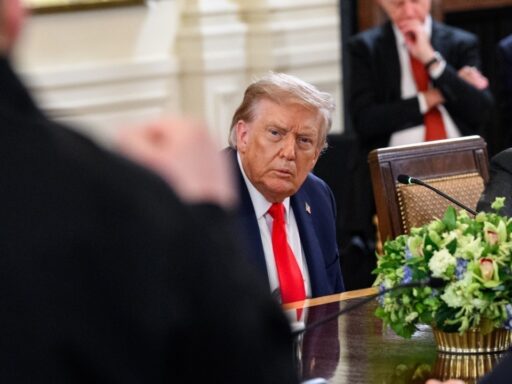
The Gaza casualties came only days after U.S. President Donald Trump announced that his Board of Peace had reached what he described as a historic agreement for the complete disarmament of Hamas and other armed groups.
Hamas Has Accepted Disarmament, but Only as Part of a Wider Process
The announcement does not mean Hamas has already surrendered its weapons. It refers to a phased road map setting out how weapons could be transferred, stored or destroyed as Israeli forces withdraw from Gaza.
The proposal calls for weapons held by Hamas-run police to be transferred to a new U.S.-backed Palestinian administration. Heavy weapons would subsequently be decommissioned and stored, while military production facilities and tunnels would be dismantled after an international security force and the new administration enter Gaza.
Hamas says the process must happen alongside an Israeli withdrawal and an end to military attacks. The group’s position is that it will not hand over its weapons first while Israeli forces continue controlling large parts of the territory.
The road map therefore creates an exchange of actions rather than a single act of surrender. Hamas would gradually disarm, while Israel would gradually withdraw. A Palestinian technocratic committee would assume administrative control, and international forces would help manage security during the transition.
That sequencing is one of the central disputes. Each side fears that taking the first major step would leave it strategically exposed if the other side failed to follow through.
Israel Says No Agreement Has Been Reached to Stop the Strikes
Israeli Energy Minister Eli Cohen, a member of Prime Minister Benjamin Netanyahu’s security cabinet, said there was no agreement requiring Israel to halt its attacks during the disarmament discussions.
Cohen said Hamas would be given an opportunity to surrender its weapons but expressed strong doubt that the group would genuinely do so. He also suggested that Israel could seek complete control of Gaza if Hamas refused to disarm.
The Israeli government has separately communicated serious security concerns to Washington. A spokesperson for Netanyahu’s office told the Associated Press that Israel believes Hamas remains committed to rebuilding its armed capabilities.
Israel’s stated position is that its forces cannot significantly withdraw until Hamas physically gives up its weapons. Israeli officials argue that an early withdrawal would allow the group to regain territory, recruit fighters and restore military infrastructure.
Israel currently controls more than 60 percent of Gaza, according to the AP, while Reuters places the figure at approximately 70 percent. The difference may reflect how each organisation measures military control and when its information was collected. Both estimates show that Israeli withdrawal would represent a substantial change on the ground.
Hamas Accuses Israel of Trying to Undermine the Political Process
Hamas has accused Israel of increasing its attacks precisely as negotiations appear to be advancing.
Senior Hamas official Basem Naim said the group had demonstrated considerable flexibility but claimed the latest strikes showed that Israel was attempting to impose new conditions through military force. Hamas maintains that Israel must first stop its attacks and honour withdrawal commitments contained in the wider ceasefire plan.
The Israeli government rejects the accusation that military pressure is intended to sabotage peace efforts. It says continued attacks are necessary because Hamas retains armed personnel, weapons and infrastructure capable of threatening Israeli forces and communities.
These opposing interpretations show why the disarmament announcement has not produced an immediate ceasefire. Hamas presents the deal as a reciprocal transition. Israel presents disarmament as a security requirement that must be substantially completed before withdrawal.
Gaza Residents Remain Hopeful but Deeply Sceptical
For Gaza’s civilian population, the proposed deal offers a possible route out of prolonged violence, displacement and deprivation. However, many residents have heard previous ceasefire announcements without seeing sustained improvements in their lives.
An AP report examining reactions inside Gaza found that some Palestinians welcomed the possibility of Hamas giving up its weapons if it meant Israeli attacks would stop and displaced families could return home. Others doubted that either side would fully honour the plan.
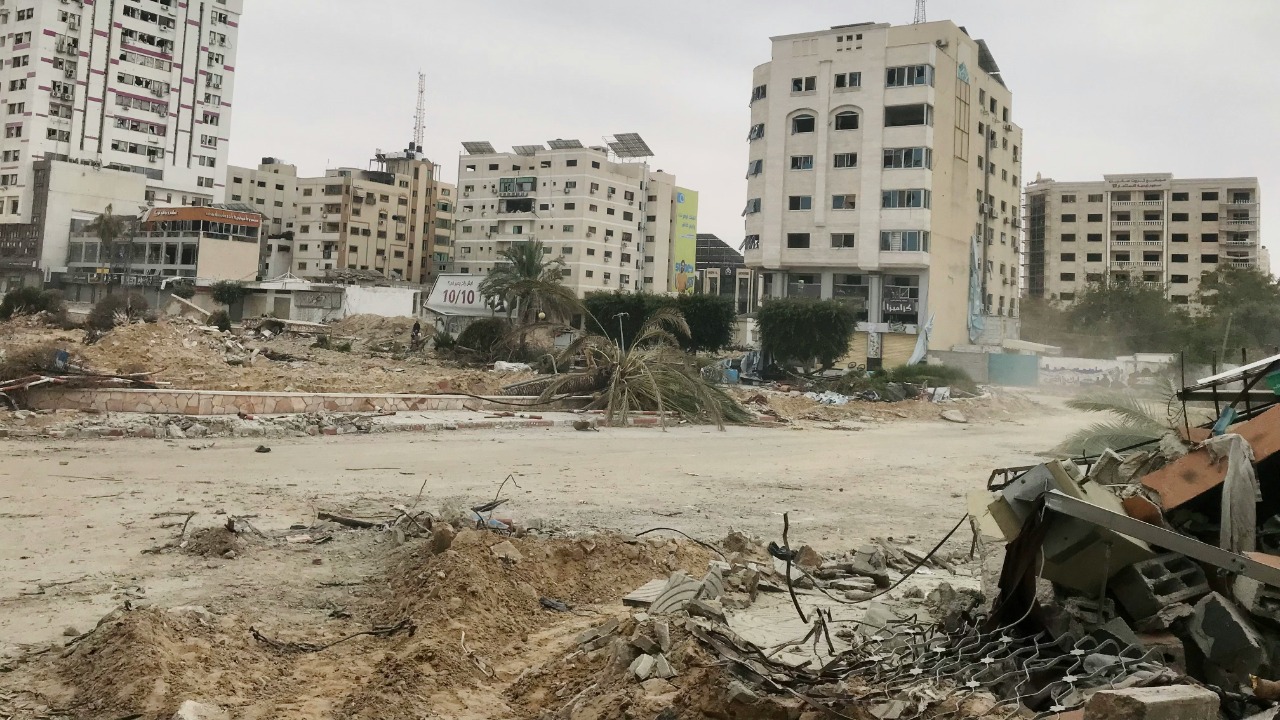
Most of Gaza’s roughly two million residents remain displaced or are living among damaged buildings and overcrowded tent camps. Food, medicine, shelter and sanitation remain major concerns, while disease outbreaks have been reported in densely populated displacement areas.
The Gaza Health Ministry says more than 73,300 Palestinians have been killed since the war began. The ministry does not separate civilians from combatants in its overall total, although it says women and children account for around half of the deaths. The conflict began after the Hamas-led attack on southern Israel on October 7, 2023, which killed approximately 1,200 people and resulted in 251 hostages being taken into Gaza.
Even after the broader ceasefire took effect in October 2025, Gaza authorities say Israeli attacks have killed more than 1,200 Palestinians. Israel says its post-ceasefire operations have targeted armed groups and responded to continued security threats.
The Board of Peace Faces a Difficult Test
The disarmament proposal is being managed through Trump’s Board of Peace, an international body established to oversee Gaza’s transition and reconstruction.
Its plan links weapons decommissioning to Israeli withdrawal, a new Palestinian administration, an international stabilisation force and eventual reconstruction. The United Nations Security Council has recognised the board as a temporary framework for Gaza and authorised an international force through 2027.
However, major questions remain about enforcement. It is unclear when international forces will enter Gaza, when the Palestinian committee will begin operating or what happens if either Hamas or Israel refuses to complete a required phase.
The board also faces criticism over its composition and authority. Palestinian representatives are absent from its leadership, while several governments and rights organisations have questioned whether an externally controlled body should determine Gaza’s political future. Supporters argue that the board offers a practical mechanism capable of coordinating security, reconstruction and international funding.
A Breakthrough on Paper Has Not Yet Changed Conditions on the Ground
Hamas’s acceptance of phased disarmament is potentially significant because weapons surrender has blocked negotiations for months. It could create a path toward Israeli withdrawal, Palestinian administration and large-scale reconstruction.
Yet the weekend’s deaths demonstrate that no stable peace has been secured. Israel has not accepted the proposed order of implementation, Hamas has not begun transferring its weapons, and the international security arrangements needed to support the process are not yet fully operational.
The central question is no longer simply whether Hamas has agreed to disarm. It is whether Israel and Hamas can agree on who acts first, who verifies compliance and what consequences follow if either side stops cooperating.
Until those questions are resolved, diplomatic announcements may continue alongside airstrikes, civilian deaths and deep uncertainty across Gaza.