
People taking popular weight-loss medications may need to pay closer attention to hydration during hot weather, especially when nausea, vomiting, diarrhea or reduced food and fluid intake are part of the treatment experience.
Drugs such as Wegovy and Ozempic, which contain semaglutide, and Zepbound and Mounjaro, which contain tirzepatide, reduce appetite and slow digestion. Some patients also report feeling less interested in drinking. However, evidence that these medications directly suppress thirst in every user remains limited, so the risk should not be overstated.
The clearest concern is that gastrointestinal side effects and lower overall intake can make dehydration more likely. Extreme heat, outdoor exercise and prolonged sun exposure can then place additional stress on someone who is already taking in or retaining less fluid.
Why Hot Weather May Create an Added Risk
The human body relies heavily on sweating to release heat. Sweating removes water and salt, which must be replaced to keep blood volume, circulation and temperature regulation working properly.
When fluid losses become greater than fluid intake, dehydration can develop. A dehydrated person may experience headache, weakness, dizziness, rapid heartbeat, low blood pressure, dark urine or reduced urination.
People using GLP-1-based weight-loss drugs can experience nausea, vomiting and diarrhea, particularly when starting treatment or after a dose increase. FDA prescribing information for semaglutide warns that these gastrointestinal reactions can lead to fluid loss, dehydration and, in some cases, kidney problems.
A hot summer day can intensify that problem by increasing the amount of fluid lost through sweat.
Do Weight-Loss Drugs Really Dull Thirst?
GLP-1 medications clearly reduce appetite, but the claim that they directly and predictably shut down thirst is not as firmly established.
Some patients may drink less because they feel full sooner, eat fewer meals or experience nausea. Since food provides a portion of daily water intake, eating less may also reduce hydration without the person immediately recognizing it.
GLP-1 biology has been associated with effects on fluid balance, including increased sodium and water excretion in some research settings. However, this does not prove that every person taking semaglutide or tirzepatide will lose their normal thirst response.
The more accurate warning is that these drugs can create circumstances in which dehydration is easier to develop or overlook. Reduced appetite, less food, stomach upset and heat-related sweating can combine even when the medication has not directly switched off thirst.
Gastrointestinal Side Effects Can Accelerate Fluid Loss
Nausea is one of the most common adverse effects of GLP-1 medications. Vomiting and diarrhea can also occur, especially during the first weeks of treatment or after the dose is increased.
Someone who feels nauseated may avoid both food and water. If vomiting or diarrhea occurs at the same time, fluid is being lost while replacement intake is falling.
FDA reports involving dosing errors with compounded semaglutide have included dehydration, fainting, vomiting and cases requiring hospitalization. These reports involved excessive or incorrect doses and should not be interpreted as the expected experience with properly prescribed medication, but they demonstrate how severe fluid loss can become.
People who cannot keep fluids down should contact a healthcare professional rather than attempting to push through outdoor activity or high temperatures.
Heat Exhaustion Can Develop Gradually
Early heat illness may look like an ordinary side effect of medication.
Fatigue, nausea, headache and dizziness can occur with dehydration, heat exhaustion or GLP-1 treatment. This overlap can make it harder to recognize when a person is becoming dangerously overheated.
Heat exhaustion may also cause heavy sweating, weakness, muscle cramps, clammy skin and faintness. The person should move into a cooler area, stop physical activity and begin cooling and rehydrating when able.
The CDC advises seeking immediate medical care when symptoms of heat-related illness include severe headache, nausea, vomiting, confusion or other concerning changes.
Heatstroke Is a Medical Emergency
Heatstroke occurs when the body can no longer control its internal temperature. It can damage the brain, kidneys, heart and muscles and may become fatal without rapid treatment.
Warning signs include confusion, unusual behavior, collapse, seizures, loss of consciousness or an extremely high body temperature.
A person showing possible heatstroke symptoms should receive emergency medical attention immediately. They should be moved to a cooler location and cooled while help is being arranged, but they should not be forced to drink if confused, vomiting or unconscious.
Certain Patients May Face Greater Risk
The risk may be higher for people who work outdoors, exercise in hot conditions or spend long periods without air conditioning.
Older adults, people with heart or kidney disease and those taking other medications that affect hydration or temperature regulation may also be more vulnerable. The CDC notes that diuretics, anticholinergic drugs and several psychiatric or cardiovascular medications can increase heat-related risk.
Someone taking a GLP-1 medication alongside a diuretic may have several factors promoting fluid loss at the same time. This does not mean the medications should be stopped, but it makes individualized advice from a prescriber or pharmacist more important.
People with diabetes should also remember that extreme heat can affect blood glucose levels and the storage or performance of medicines and monitoring equipment.
Do Not Wait Until You Feel Extremely Thirsty
Thirst is useful, but it should not be the only signal used to decide when to drink during extreme heat.
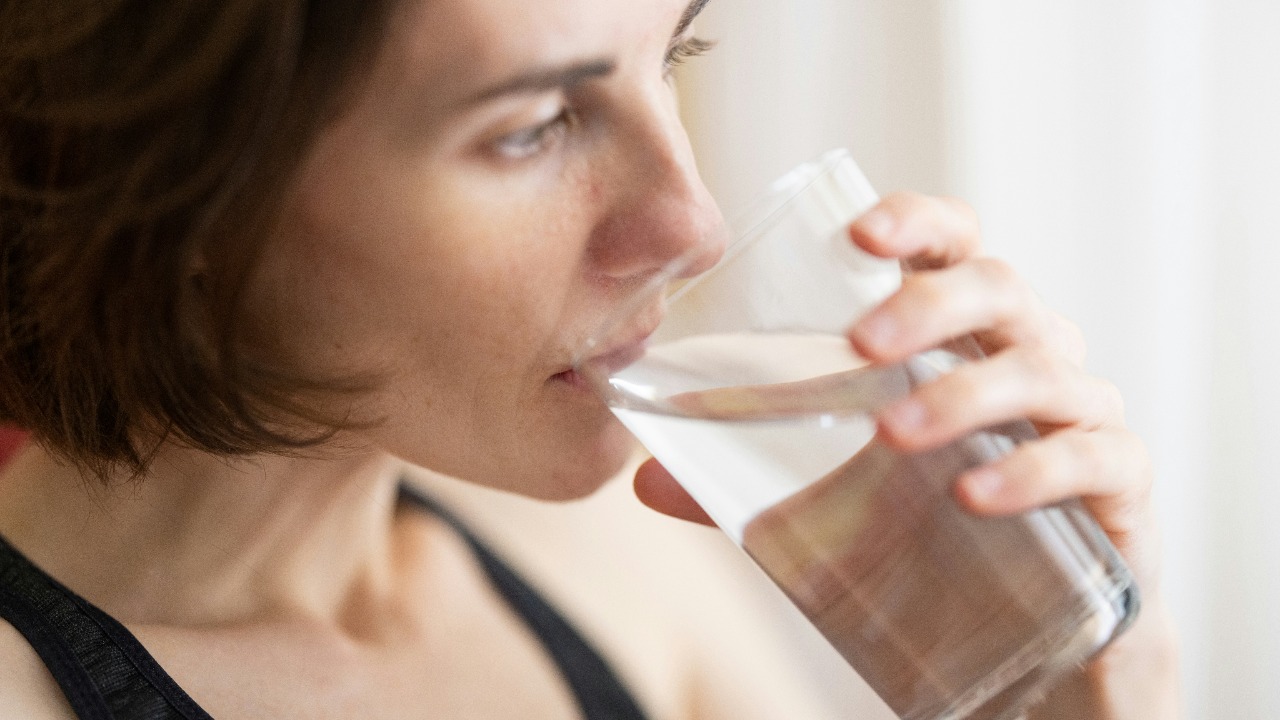
People taking weight-loss medication may benefit from drinking regularly across the day rather than consuming a large amount all at once. Small, frequent amounts may be easier to tolerate when nausea or early fullness is present.
Urine color can provide a rough indication of hydration. Very dark urine or unusually infrequent urination may indicate that more fluid is needed, although kidney conditions, supplements and medications can also change urine appearance.
There is no single daily water target that is appropriate for everyone. Body size, climate, exercise, medical conditions and other medications all affect fluid needs. People with kidney failure, heart failure or medically prescribed fluid restrictions should not increase fluid intake without professional guidance.
Electrolytes May Help in Some Situations
Water is often sufficient during ordinary daily activity, but prolonged sweating, vomiting or diarrhea also removes sodium and other electrolytes.
An oral rehydration solution or suitable electrolyte drink may help replace both water and salts after significant fluid loss. Drinks containing very large amounts of sugar or caffeine may be less suitable for some users.
Electrolyte products should not be treated as unlimited or universally necessary. People with high blood pressure, kidney disease or other medical conditions may need to monitor sodium and potassium intake.
A pharmacist or clinician can advise whether an electrolyte drink is appropriate based on the person’s health and medication list.
Outdoor Exercise Requires More Planning
People using weight-loss drugs may feel motivated to increase physical activity, but intense exercise during the hottest part of the day can quickly increase dehydration risk.
Exercise is generally safer in the early morning, evening or an air-conditioned environment during extreme heat. Lightweight clothing, shade and regular breaks can also reduce heat strain.
Someone who becomes dizzy, unusually weak or nauseated should stop rather than assuming the symptoms are simply part of the workout or medication.
The CDC provides current guidance on heat risk, symptoms and prevention through its Heat Health resource center.
Never Stop the Medication Without Medical Advice
People should not stop semaglutide, tirzepatide or another prescribed weight-loss drug simply because temperatures are rising.
Suddenly changing treatment may affect diabetes management, appetite, blood glucose or other health goals. Patients concerned about hydration should speak with the clinician who prescribed the medication.
A healthcare professional may review side effects, other medicines, fluid needs and whether the current dose is appropriate. In some situations, persistent vomiting, diarrhea or poor intake may require treatment adjustments.
Patients should contact their clinician promptly when they cannot drink enough, repeatedly vomit, urinate much less than normal or develop symptoms of dehydration.
Compounded Products Require Extra Care
Some patients obtain compounded versions of semaglutide or tirzepatide. These products may come in different concentrations and containers than FDA-approved pens.
The FDA has received reports of dosing mistakes involving compounded injectable semaglutide, including patients administering substantially more than intended. Reported effects have included severe nausea, vomiting, dehydration and hospitalization.
Anyone using a compounded product should understand the exact concentration, dose and syringe measurement before injecting it. Uncertainty should be resolved with the dispensing pharmacy or prescriber, not through guesswork.
The Main Risk Is a Combination of Factors
Weight-loss drugs are not automatically dangerous during summer, and there is not strong evidence that every GLP-1 user loses the ability to feel thirsty.
The practical concern is the combination of reduced appetite, lower food intake, possible nausea or diarrhea, outdoor heat and increased sweating. Together, these factors can allow dehydration and heat illness to develop faster or remain unnoticed longer.
People taking these medications should plan hydration before extended heat exposure, monitor their symptoms and avoid dismissing dizziness, weakness or confusion as an ordinary drug side effect.