
Federal regulators have imposed the first mandatory US safety requirements specifically targeting water-bead toys after thousands of children suffered ingestion injuries and at least one infant died.
The US Consumer Product Safety Commission’s new standard took effect on March 12, 2026. Water-bead toys manufactured after that date must satisfy limits on expansion, toxic chemicals and warning labels before they can legally be sold in the United States.
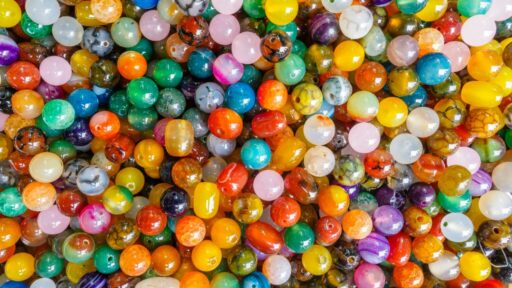
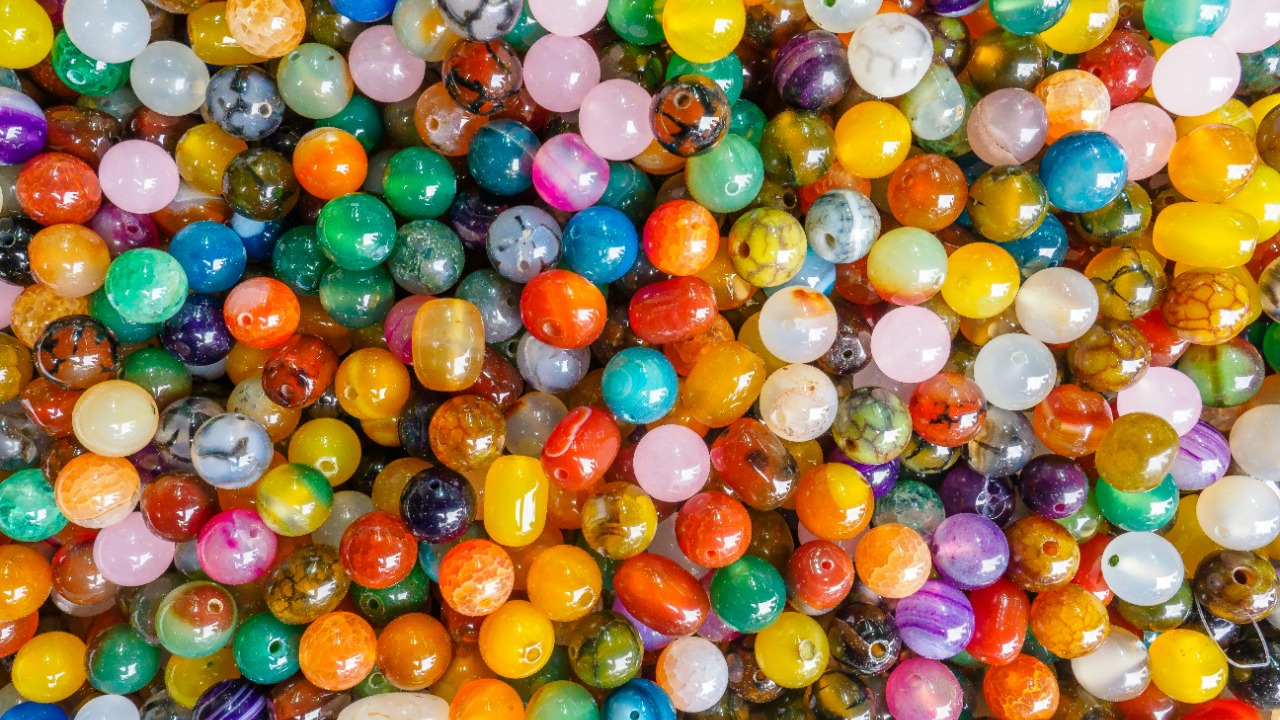
Water beads are small pieces of superabsorbent polymer commonly sold for sensory play, crafts, toy kits and decoration. They may begin as tiny dry pellets but can grow as much as 100 times their original size after contact with liquid.
That expansion is what makes them appealing as toys—and what makes them so dangerous when swallowed.
Tiny Dry Beads Can Become Large Inside the Body
A dry water bead can be approximately the size of a pinhead.
Because the pellets are small, clear or brightly colored, a child may mistake one for candy or pick one up from a floor without an adult noticing. The bead can then absorb fluid and continue expanding inside the digestive system.
An enlarged bead may obstruct the intestines, causing pain, vomiting, dehydration and potentially life-threatening damage. Surgery can be required to locate and remove it.
Water beads can also create choking or aspiration hazards if they enter the airway. A bead inserted into an ear or nose may expand and damage surrounding tissue, while beads placed in the ear have been associated with hearing loss and surgical removal.
Thousands of Injuries Were Treated in Emergency Departments
The CPSC estimates that approximately 6,300 water-bead ingestion injuries were treated in US emergency departments from 2017 through 2022.
Using a slightly broader definition and date range, the agency has also estimated about 7,800 emergency-room visits associated with water beads between 2016 and 2022.
The figures may differ because one count focuses specifically on ingestion injuries, while the broader estimate includes other water-bead-related emergency visits.
The CPSC is also aware of the death of a 10-month-old girl in 2023 after she ingested a water bead.
The New Rule Limits Expansion
The 2026 standard establishes a maximum size to which a toy water bead may expand.
The purpose is to prevent the bead from becoming large enough to create intestinal blockages or serious harm if it is swallowed, inhaled or inserted into a child’s nose or ear.
This is a performance requirement rather than a complete prohibition on every water-bead toy.
Manufacturers can continue selling compliant products, but they must demonstrate through testing that the beads do not exceed the permitted expansion limit.
Water-bead toys that fail to meet the new requirements are now illegal to sell in the United States.
Toxic Chemical Levels Are Also Restricted
The rule addresses more than physical expansion.
It limits the amount of acrylamide permitted in water-bead toys. Acrylamide is a known carcinogen, and the CPSC has previously warned about large water-bead products containing concentrations that violated the Federal Hazardous Substances Act.
The chemical concern is separate from the immediate obstruction hazard.
A bead can comply with an expansion requirement yet still be unsafe if it contains excessive amounts of a hazardous chemical. The new standard is intended to address both risks.
Stronger Warnings Are Now Required
Manufacturers must place prominent, strongly worded safety warnings on water-bead toy packaging.
The labels are intended to explain that swallowing, inhaling or inserting a bead can result in serious injury or death.
Warnings can help caregivers understand the risk, but regulators do not treat labels as a substitute for safer product design.
A very young child cannot read a warning, and a bead that rolls under furniture may remain unnoticed long after the packaging has been discarded.
That is why the rule combines labeling with physical expansion limits and chemical restrictions.
The Rule Does Not Cover Every Water-Bead Product
The new standard applies to water-bead toys and toys that contain water beads.
Some similar products are marketed for agriculture, home decoration, floristry or other non-toy uses. Those items may fall outside this particular toy-safety rule even though the physical beads can pose similar dangers.
The CPSC therefore advises families to keep all water beads away from spaces where young children live or play, regardless of the wording used in the product listing.
A seller calling a product a plant-hydration bead or decorative gel does not make it safe for a toddler.
Older Products Are Not Automatically Safe
The standard applies to water beads manufactured after March 12, 2026.
It does not mean that every older product has been individually recalled, nor does it automatically require every preexisting package to be replaced.
Families may still have older kits stored in cupboards, classrooms, therapy rooms or toy boxes. Those products may have been manufactured before the expansion and chemical limits became mandatory.
The CPSC recommends removing water beads from environments where young children may be present. Its safety center goes further by stating that the only reliable way to eliminate the household hazard is to remove the products from the home.
Why Water Beads Are Difficult to Diagnose
A swallowed water bead may be hard to detect.
The dry pellet can be extremely small, and caregivers may never see the child place it in their mouth. Symptoms may begin only after it expands and blocks part of the digestive tract.
The beads may also be difficult to identify on routine medical imaging, which can delay diagnosis while the child becomes increasingly ill.
Possible warning signs include repeated vomiting, abdominal swelling, pain, refusal to eat, dehydration, unusual tiredness or the inability to pass stool.
A caregiver who suspects ingestion should seek medical attention immediately and tell healthcare professionals that a water bead may be involved.
The CPSC advises calling the National Poison Help Line at 800-222-1222, which is available 24 hours a day.
Sensory Play Can Create Hidden Risks
Water beads have frequently been promoted as sensory tools because of their soft, slippery texture.
They may be used in bins, activity tables, stress balls and products intended for children with developmental or sensory needs.
Supervision reduces some risk, but it cannot guarantee that every bead will be collected.
Water beads roll, scatter and become transparent when hydrated. One can remain beneath a cabinet or inside a toy until a younger sibling later finds it.
A product intended for an older child may therefore endanger a baby or toddler who was not participating in the original activity.
Toys Containing Water Beads Can Also Leak
The hazard is not limited to loose packets.
Some stress balls, squeeze toys and decorative products contain hydrated water beads inside a flexible shell. If that shell tears, the beads may spill into an area accessible to children.
The CPSC advises discarding a toy if water beads begin escaping from it.
Families should not attempt to repair a leaking water-bead toy with glue or tape. A temporary repair can fail again and may create a false sense of security.
Retailers Had Already Begun Restricting Sales
Large retailers including Amazon, Walmart and Target announced restrictions on water beads marketed to young children in late 2023 after growing concern about ingestion injuries.
Those voluntary marketplace policies reduced the visibility of some products but did not create one enforceable national product standard.
The CPSC rule now establishes mandatory requirements for toys produced after its effective date, regardless of where they are sold.
It also gives regulators and customs officials a clearer legal basis for stopping noncompliant shipments before they reach consumers.
This Was a Regulation, Not a Blanket Recall
Reports sometimes describe the March 2026 action as a recall of water beads.
That is not technically correct.
A recall applies to a particular product, manufacturer or group of products already in commerce. The new action is a federal safety standard governing future water-bead toys.
Individual water-bead products have previously been recalled or subjected to stop-use warnings. Those actions included products associated with ingestion hazards and others containing excessive acrylamide.
The new rule creates minimum requirements across the entire toy category rather than addressing only one brand.
What Parents and Caregivers Should Do
Families with babies or young children should remove loose water beads from playrooms, classrooms and other areas the children can access.
The products should be kept in a secure container only when they must be retained for a non-child use. Beads should never be left soaking unattended, and every spill should be cleaned thoroughly.
Childcare centers, schools and camps should consider safer alternatives that cannot expand inside the body.
Possible sensory-play substitutes include cooked pasta, ice, water, fabric pieces or other age-appropriate materials that do not create the same hidden obstruction risk.
Any recalled or specifically warned-against product should be handled according to the manufacturer’s or CPSC’s disposal instructions rather than donated or resold.
The Main Safety Message
Water-bead toys manufactured after March 12, 2026, must now meet mandatory federal limits on expansion and acrylamide content and carry prominent hazard warnings.
The rule followed an estimated 6,300 ingestion injuries treated in US emergency departments from 2017 through 2022 and the reported death of a 10-month-old child in 2023.
The products can begin as nearly invisible dry pellets and continue swelling after a child swallows them. The resulting blockage may require emergency surgery and can become fatal.
The new standard should reduce the risk from newly manufactured toys, but it does not remove older water beads already present in homes, schools and childcare settings.
For households with young children, the safest approach remains the simplest one: keep water beads out of the environment entirely.