
More than 125,000 children’s tower stools sold online have been recalled because they can collapse or tip over while a child is standing inside them. Openings in the structures are also large enough for a child’s torso to pass through, creating a potentially deadly entrapment hazard.
The largest campaign covers 125,200 Cosyland children’s tower stools sold through Amazon. The US Consumer Product Safety Commission said the products pose risks of falls, tip-overs and entrapment, and instructed parents to stop using them immediately until a free repair kit has been installed.
The company received 25 reports involving instability or falls. Eight children were injured, with reported harm ranging from scrapes and bruises to a fractured arm. No deaths were reported in connection with the recall.
The Cosyland action followed several similar recalls involving TOETOL HOME, Wiifo and AMZCMJ DGD tower stools. Together, those smaller campaigns covered nearly 13,000 additional products and involved dozens of collapsing, falling and entrapment incidents.
Which Cosyland Tower Stools Were Recalled?
The primary recall covers Cosyland models CS0003 and CS0092-4.
The wooden towers were sold in natural bamboo and gray finishes. They measure approximately 16 inches deep, 18 inches wide and 35 inches tall. The word “COSYLAND” and warning labels appear along the upper rails.
The towers were sold on Amazon from April 2021 through November 2025 for approximately $70. Because the listing may no longer appear in the same form, owners should inspect the physical product and compare it with the photographs in the official CPSC recall announcement.
Parents who purchased a similar-looking tower from Amazon should also review their order history for the brand and model number rather than assuming it is unaffected because the color or listing title appears slightly different.
What Is a Children’s Tower Stool?
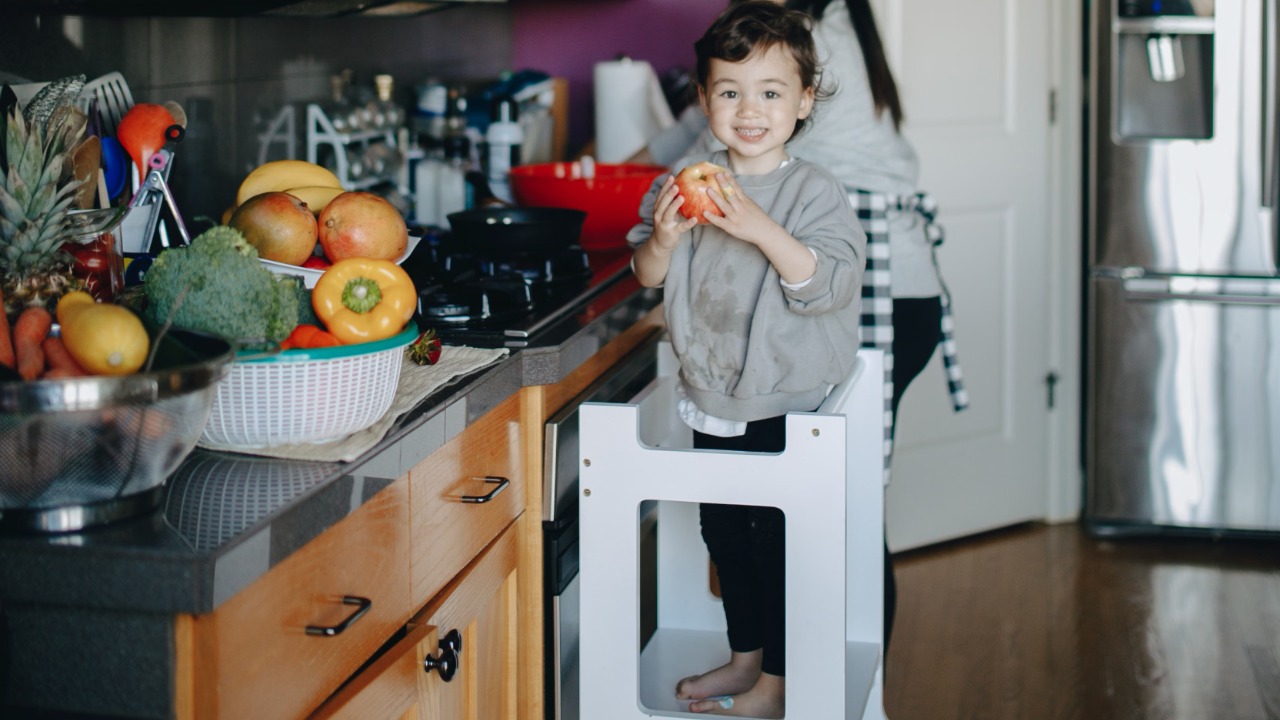
Children’s tower stools are elevated platforms designed to bring toddlers and young children up to counter height.
They are often marketed as learning towers, kitchen helpers or Montessori-style stools. Parents commonly use them while children help prepare food, wash their hands, brush their teeth or participate in activities at a table or countertop.
Unlike an ordinary step stool, a learning tower usually has rails or panels surrounding the child. Those barriers are intended to reduce the chance of stepping backward or falling from the platform.
That sense of enclosure can make parents believe the child is fully protected. The recalls show why the tower itself must remain stable and why every opening must be small enough to prevent a child from slipping through and becoming trapped.
How the Cosyland Towers Can Fail
The CPSC identified two distinct hazards.
The first is structural instability. The tower can collapse or tip while a child is standing on its elevated platform. A fall from that height can cause head injuries, broken bones, cuts or bruising, particularly when the tower is positioned beside a countertop or hard kitchen floor.
The second concern involves the openings on the front and back of the tower. A child’s torso can fit through those gaps.
If the child’s body passes through while the head, neck or limbs remain caught, the child could become suspended or compressed against part of the structure. This creates a risk of serious injury or death from entrapment.
The two hazards can also interact. A child shifting their weight through an opening may make the tower less stable and cause it to tip.
What Cosyland Owners Should Do
Parents should stop using the recalled tower immediately and place it somewhere children cannot access.
Cosyland is offering a free repair kit containing protective nets, stabilizing feet and installation instructions. The parts are intended to close the dangerous openings and improve the tower’s resistance to tipping.
The recall remedy is a repair rather than a refund. Owners should contact Cosyland through the company’s official recall page or the contact details provided in the CPSC notice.
The tower should not be used while the repair kit is being requested or shipped. Adult supervision does not eliminate a structural collapse or entrapment risk.
Once the parts arrive, they should be installed exactly as instructed. Improvised netting, extra screws or homemade supports should not be treated as equivalent to the approved repair.
Other Tower Stools Were Recalled at the Same Time
The Cosyland campaign was not an isolated event.
On April 23, 2026, the CPSC announced separate recalls for TOETOL HOME, Wiifo and AMZCMJ DGD children’s tower stools. All three products could collapse or tip, and their side openings could allow a child’s torso to become trapped.
These products were also primarily sold through Amazon.
The similarities between the recalls make it important for parents to identify the exact brand and model rather than searching only for the words “toddler tower” or “kitchen helper.”
TOETOL HOME Towers
The TOETOL HOME recall covers about 3,000 wooden tower stools, model DETD0001.
They were sold in white, gray and dark wood finishes and measure approximately 20 inches deep, 15 inches wide and 36 inches tall. The model number appears on a label attached to the side.
The company received 18 reports of stools collapsing. Eleven children suffered injuries including cuts, contusions and scrapes.
The towers were sold on Amazon from October 2024 through March 2026 for approximately $130. Owners are instructed to stop using the product, disassemble it and submit a photograph to receive a full refund.
Wiifo Towers
The Wiifo recall covers approximately 9,700 children’s tower stools.
The affected wooden stools were sold in white, natural and light wood finishes. Model LT005 appears on a label beneath the standing platform.
Wiifo received 22 reports of the stools collapsing, including six injuries involving bruises and scrapes.
The products were sold through Amazon from June 2022 through March 2026 for about $60. Owners should stop using them, disassemble the stool and submit a photograph to Wiifo to receive a full refund.
AMZCMJ DGD Towers
The smallest campaign covers approximately 130 AMZCMJ DGD children’s tower stools.
These foldable wooden products convert into a table and chair and include a blackboard. The brand name may appear only on the original order receipt, making purchase records especially important for identification.
The company knew of seven incidents involving children falling or becoming trapped. Four injuries were reported, including splinters, scrapes and contusions.
The products were sold through Amazon from February 2025 through March 2026 for between $85 and $100. Owners are being offered a full refund after permanently marking and dismantling the stool and sending the company a photograph.
Guidecraft Towers Had a Different Defect
A separate recall announced on May 14, 2026, covered 25,235 Guidecraft Kitchen Helper Towers.
These products were recalled because the standing platform could loosen, become unstable or detach over time. Guidecraft received 11 reports of children falling, including three injuries involving bruising and a bloody nose.
The campaign covers certain Classic and Contemporary models sold in nine colors through Guidecraft, Amazon, Walmart, Target, Wayfair, Maisonette and Overstock from June 2022 through October 2023.
Affected towers can be identified by item and lot numbers on a foil sticker beneath the platform. Guidecraft is providing free repair parts and installation instructions.
The Guidecraft recall does not include the same torso-entrapment issue described in the Cosyland, TOETOL, Wiifo and AMZCMJ DGD campaigns, but it reinforces the need to check the specific brand and model.
Why Entrapment Is More Serious Than Simply Getting Stuck
A child becoming trapped in furniture is not always a minor inconvenience.
When the torso passes through an opening but the head cannot, the child may become suspended with pressure around the neck, chest or abdomen. A young child may be unable to lift their own weight or call for help effectively.
The position can interfere with breathing or blood circulation. Panic and struggling may cause the body to move deeper into the opening.
An adult may also be unable to free the child quickly without tools, particularly if the tower has tipped against a cabinet or wall.
This is why regulators describe the hazard as carrying a risk of serious injury or death even though no fatality has been reported in these particular recalls.
Supervision Is Not a Substitute for the Recall Repair
Learning towers are designed for use with adult supervision, but supervision cannot prevent every failure.
A tower may collapse suddenly while a parent is standing nearby. An adult may not be able to catch both the child and the falling structure before they strike the floor or counter.
Entrapment can also occur in seconds while the adult turns toward the sink, stove or another child.
Parents should therefore follow the stop-use instruction rather than allowing “careful” or limited use until the repair arrives.
Moving the tower away from the stove or using it only on carpet may reduce certain consequences, but it does not remove the structural or opening-size defect.
Do Not Resell or Donate a Recalled Tower
Recalled children’s products should not be placed on resale websites, donated to a daycare or passed to another family.
Federal law prohibits the sale of products covered by a CPSC recall. A free item can also transfer the same hazard to another household, particularly when the new owner receives no paperwork or recall information.
Products covered by refund remedies should be destroyed and disposed of according to the company’s instructions.
A Cosyland or Guidecraft tower covered by a repair campaign should not be transferred until the approved repair has been completed and documented.
How to Check a Tower Bought Online
Parents should begin by checking the labels, stickers and underside of the platform.
They should then search their Amazon, Walmart, Target, Wayfair or other retailer purchase history. Online order records may show the brand, seller, model and date even when the label is missing.
The CPSC recall database can be searched using terms such as “tower stool,” “learning tower” or “kitchen helper.”
Product dimensions and appearance can help, but they should not be the sole basis for identification. Many towers use similar natural-wood finishes and rail designs.
Owners should save screenshots of their order confirmation and photographs of the product before dismantling or modifying it for a refund claim.
What to Look for in Any Learning Tower
A tower that is not included in these recalls can still become unsafe if it is damaged or assembled incorrectly.
Parents should regularly check that screws and fasteners remain tight, the platform is fully supported and there are no cracks in the wood or bent components.
The tower should rest evenly on the floor without rocking. It should not be placed on rugs, uneven tiles or beside objects a child can push against and use to overturn it.
Openings should not be large enough for the child’s torso or head to enter. The child should also remain within the manufacturer’s age and weight limits.
A tower should never be placed next to a hot stove, sharp utensil, open flame or other hazard simply because the child is surrounded by rails.
The Main Safety Message
The largest recall covers 125,200 Cosyland children’s tower stools, models CS0003 and CS0092-4.
The products can collapse or tip, and the openings can trap a child’s torso. Cosyland received 25 reports of instability or falls, including eight injuries and one fractured arm. Owners should stop using the towers and request the free stabilizing feet and protective-net repair kit.
Separate recalls cover approximately 3,000 TOETOL HOME towers, 9,700 Wiifo towers and 130 AMZCMJ DGD towers. Those products are subject to refund remedies after being dismantled. Together, the three companies reported 47 incidents and 21 injuries.
Parents should identify the exact model, stop using any recalled product and follow the manufacturer’s approved repair or refund process. A tower designed to place a child safely at counter height should not remain in service when the structure itself can become the source of a fall or entrapment.