

Salt Lake City and Billings recorded their highest temperatures in history as a powerful and prolonged heat wave continued to grip large parts of the western and northern United States.
Salt Lake City International Airport reached 109 degrees Fahrenheit on Sunday, July 12, 2026, while Billings, Montana, climbed to 111 degrees. Official climate summaries from the National Weather Service marked both readings as records.
The extreme temperatures were not simply records for that particular date. Both cities exceeded the highest temperatures previously observed during their entire periods of official weather measurement.
Salt Lake City Reached an Unprecedented 109 Degrees
Salt Lake City’s temperature reached 109 degrees at approximately 2:53 p.m. local time, according to the National Weather Service climate report.
The reading surpassed the city’s previous all-time high of 107 degrees, which had been reached in 1960, 2002, 2021 and twice during 2022. Temperature records in Salt Lake City extend back to 1874, making the new reading especially significant.
The National Weather Service office in Salt Lake City said the city had easily moved beyond its previous all-time record during the July 12 heat event. The agency also reported extreme temperatures in other parts of Utah.
Salt Lake City is accustomed to hot and dry summers, but a reading of 109 degrees represents an exceptional level of heat for the area. Conditions can become particularly dangerous in urban neighborhoods, where roads, buildings and parking lots absorb solar energy during the day and release it slowly after sunset.
Official local climate information and heat alerts are available through the National Weather Service Salt Lake City office.
Billings Climbed to 111 Degrees
Billings reached 111 degrees at approximately 3:54 p.m. on the same day, setting a new all-time maximum for the city’s official recording site.
The heat extended well beyond Billings. A National Weather Service summary reported that Billings, Miles City and Baker in Montana, along with Sheridan in Wyoming, broke their all-time maximum-temperature records. Livingston, Montana, tied its existing record.
Temperatures across the region ranged from the 100s to as high as 115 degrees during the event’s hottest period. Billings briefly experienced temperatures comparable to or above readings normally associated with some of the hottest desert cities in the Southwest.
The National Weather Service Billings office provides official regional warnings, climate reports and safety information.
A Powerful Heat Dome Drove Temperatures Higher
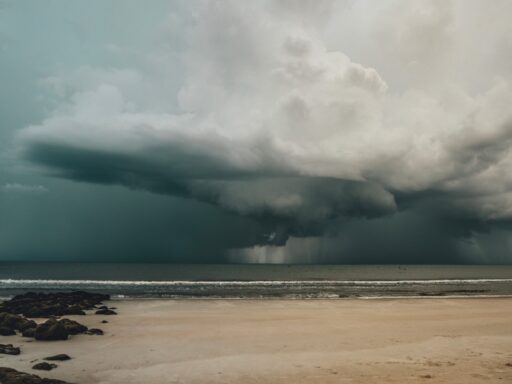
The heat wave developed under a large and persistent area of high atmospheric pressure commonly described as a heat dome.
Under these conditions, sinking air suppresses cloud formation and limits the development of cooling storms. The trapped air becomes increasingly hot as the weather pattern remains in place, allowing temperatures to build over several days.
Forecasters had warned that widespread triple-digit readings could extend from the Intermountain West into the northern Plains. Some areas were expected to run between 15 and 25 degrees above their seasonal averages.
The National Weather Service issued extreme-heat warnings across large portions of Utah, Montana, Wyoming and neighboring states. These alerts warned that dangerously hot daytime conditions would significantly increase the risk of heat-related illnesses.
Warm Nights Made the Heat More Dangerous
The danger from a prolonged heat wave is not determined only by the afternoon temperature.
Warm overnight conditions can prevent the human body from recovering after hours of daytime heat exposure. Homes without effective air conditioning may remain dangerously warm through the night, particularly in densely developed areas.
Public-health experts warn that the risk of heat illness can rise after several consecutive hot days because physical stress accumulates. Older adults, young children, outdoor workers, people with chronic medical conditions and residents without reliable cooling are especially vulnerable.
Heat can also become dangerous before a person recognizes the seriousness of the symptoms. Heavy sweating, dizziness, weakness, nausea, headache and muscle cramps may indicate heat exhaustion.
Confusion, fainting, seizures, very high body temperature or loss of consciousness may indicate heat stroke, which is a life-threatening emergency requiring immediate medical assistance.
The Centers for Disease Control and Prevention provides additional guidance on recognizing heat-related illness and protecting vulnerable people during extreme temperatures.
The Heat Increased Wildfire Concerns
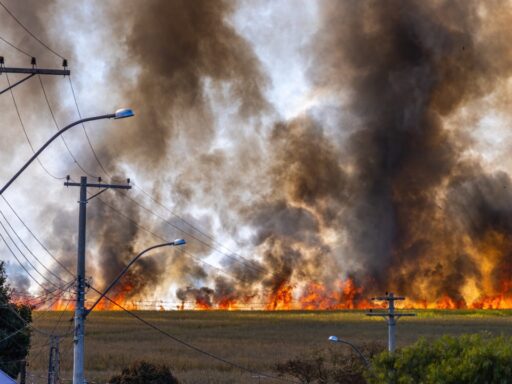
The combination of exceptional temperatures, low humidity and dry vegetation also increased the risk that fires could start and spread rapidly.
Red-flag warnings were issued in parts of Montana and Utah as hot, dry and sometimes windy conditions developed alongside the heat wave. The National Weather Service warned of elevated fire-weather conditions in areas already experiencing drought or unusually dry vegetation.
Extreme heat removes moisture from vegetation and soil, creating more receptive fuel for wildfires. Dry thunderstorms can make the situation worse when lightning starts fires but little rain reaches the ground.
Residents in affected areas should avoid outdoor activities capable of creating sparks, follow local burn restrictions and remain prepared to respond quickly if evacuation notices are issued.
How Residents Can Protect Themselves
People living under extreme-heat warnings should spend as much time as possible in air-conditioned buildings. Public libraries, shopping centers and designated cooling facilities may provide safer options for those without adequate cooling at home.
Water should be consumed regularly, even before thirst develops. Alcohol and strenuous outdoor activity can increase dehydration and heat stress.
Outdoor work, exercise and necessary travel should be moved to the coolest available part of the day when possible. Vehicles should never be used as waiting areas for children, older adults or animals because interior temperatures can become fatal within minutes.
Neighbors and relatives should check on people who live alone, particularly older residents and anyone with limited mobility or existing heart, lung or kidney conditions.
The National Weather Service Heat Safety page provides practical information on heat alerts, symptoms and emergency preparation.
Why These Records Matter
Daily temperature records are broken regularly during periods of unusual weather. All-time records are more significant because they exceed every previous observation at a particular station, regardless of the date or year.
Salt Lake City’s 109-degree reading surpassed measurements collected across more than 150 years of records. Billings also moved beyond its previously observed extremes during an event that produced multiple all-time records across Montana and Wyoming.
A single heat wave cannot, by itself, explain long-term changes in climate. However, climate research shows that human-caused warming is increasing the frequency and intensity of extreme-heat events and making unusually high temperatures more likely.
The Heat Wave Had Not Fully Released Its Grip
Although temperatures were expected to shift geographically as the high-pressure system moved, dangerous heat remained a concern across several western and northern states.
Extreme-heat warnings continued in portions of Montana and Wyoming, with daytime readings near or above 100 degrees and limited nighttime relief in some locations.
The records in Salt Lake City and Billings demonstrate the intensity of the event. They also highlight the importance of treating extreme heat as a serious public-health hazard rather than simply an uncomfortable period of summer weather.