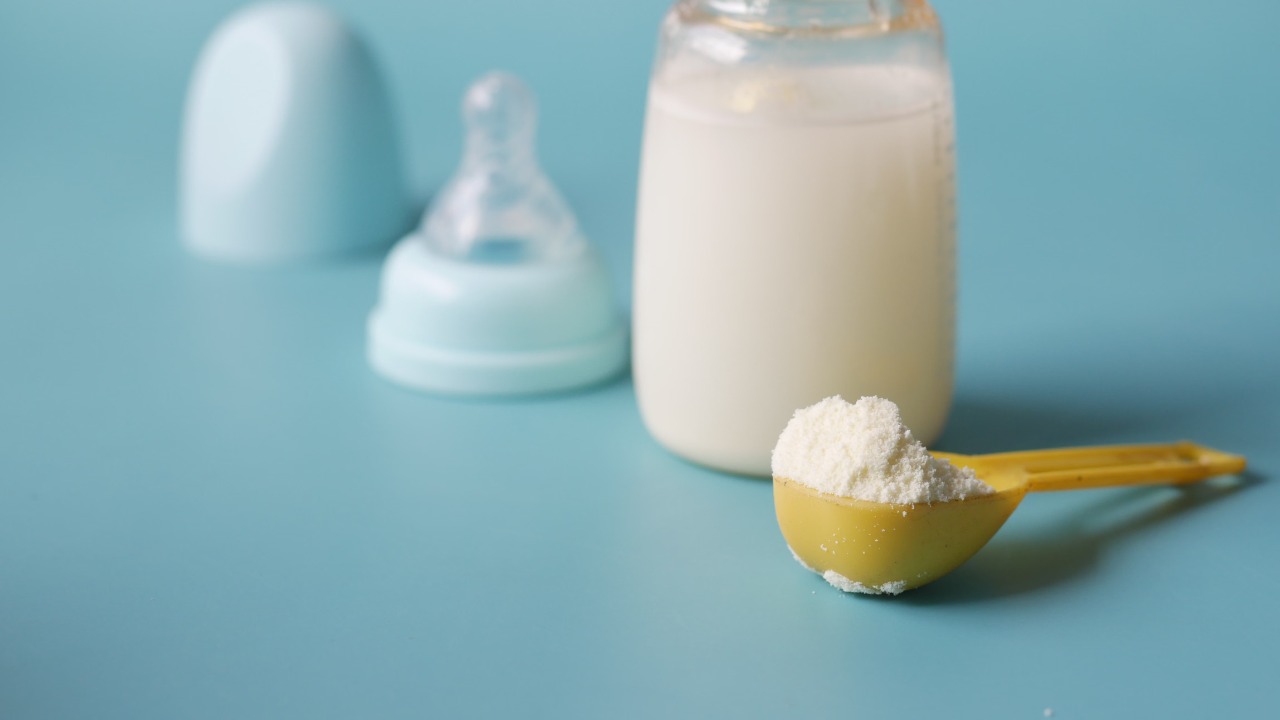

The a2 Milk Company has voluntarily recalled 63,078 tins of infant formula in the United States after testing detected cereulide, a heat-stable toxin associated with food poisoning.
The recall covers three batches of a2 Platinum Premium USA infant formula intended for babies from birth to 12 months. Although no confirmed illnesses or injuries had been reported when the recall was announced, parents and caregivers have been advised to stop using affected products immediately.
Cereulide can cause sudden nausea, vomiting, stomach pain and other gastrointestinal symptoms. Illness may begin within a few hours of consuming contaminated food, making it important for families to check any a2 formula they still have at home.
Which A2 Formula Was Recalled?
The recall involves a2 Platinum Premium USA Infant Formula 0–12 Months, Milk-Based Powder with Iron. The product was packaged in 31.7-ounce, or 900-gram, tins and distributed only in the United States.
The affected batch numbers are 2210269454, with a use-by date of July 15, 2026; 2210321712, with a use-by date of January 15, 2027; and 2210324609, with a use-by date of January 21, 2027.
The batch number and expiration date can be found on the bottom of each tin. Consumers should compare both details carefully because products from other batches are not included in the recall.
The official recall announcement and product information are available through the US Food and Drug Administration.
Where Was the Formula Sold?
The recalled formula was distributed in the United States through the a2 Milk Company’s website, Amazon and Meijer stores. It entered the American market as part of Operation Fly Formula, a government initiative introduced during the 2022 infant-formula shortage.
Approximately 63,078 tins were included in the affected production batches. The company estimated that around 16,428 of those tins had reached consumers, while the remaining products were still held within the distribution network or had not been sold.
The affected formula has since been discontinued and removed from sale. A2 said the recall applies only to the specified USA-label product and does not affect its infant formulas sold in Australia, New Zealand, China or other international markets.
Why Was the Formula Recalled?
The recall was initiated after additional testing detected cereulide in the product. Testing was conducted following updated guidance from New Zealand’s food-safety regulator.
According to the FDA announcement, the probable source of the toxin was an ingredient used to manufacture the formula. The agency and the company did not initially identify the ingredient publicly in the recall notice.
Cereulide is produced by certain strains of the bacterium Bacillus cereus. Unlike some bacteria and toxins that may be reduced through heating, cereulide is highly resistant to heat.
This means that preparing the affected formula with hot or boiling water will not make it safe. Parents should not attempt to remove the risk by reheating, boiling or changing their usual formula-preparation method.
What Symptoms Can Cereulide Cause?
Cereulide exposure is mainly associated with rapid-onset food poisoning. Symptoms can include nausea, repeated vomiting, stomach cramps and general gastrointestinal discomfort.
Symptoms may develop between approximately 30 minutes and six hours after consuming a contaminated product. Illness is often short-lived in healthy adults, but infants may face a greater risk of complications because of their smaller bodies and developing immune systems.
Repeated vomiting can cause dehydration, which may become serious more quickly in babies. Warning signs can include fewer wet diapers, unusual sleepiness, a dry mouth, a sunken soft spot, crying without tears or difficulty keeping fluids down.
A parent or caregiver whose baby develops vomiting or other concerning symptoms after consuming the recalled formula should contact a pediatrician or seek urgent medical advice. Severe symptoms, reduced responsiveness or signs of significant dehydration require immediate medical attention.
What Parents Should Do With Recalled Tins
Parents and caregivers should stop feeding the affected formula immediately. The recalled product should be returned to the place of purchase for a refund or disposed of in a way that prevents anyone else from using it.
Consumers should photograph the batch number, expiration date and purchase information before returning or discarding the product. This information may be useful when requesting a refund, contacting the manufacturer or discussing possible exposure with a healthcare professional.
Families should not continue using a recalled tin simply because it appears normal. Cereulide may not change the formula’s smell, color, taste or appearance.
Caregivers replacing the formula should consult their child’s pediatrician when the baby has allergies, digestive difficulties, premature-birth needs or another medical condition requiring a specialized formula. Abruptly switching between specialized products without guidance may not be suitable for every infant.
Have Any Babies Become Ill?
No confirmed cases of illness or injury had been linked to the recalled A2 formula at the time of the company and FDA announcements.
The absence of reported illnesses does not mean affected products are safe to consume. Recalls are sometimes issued before illnesses occur, particularly when testing identifies a toxin that could pose a serious risk to vulnerable consumers.
The company stated that it was working with the FDA to manage the recall and remove affected stock from the market. The FDA’s infant-formula information page provides additional advice about formula safety, preparation and current regulatory notices.
Why Infant Formula Recalls Receive Serious Attention
Infant formula may be a baby’s only source of nutrition during a critical stage of growth and development. Contamination can therefore have greater consequences than it would in many foods intended for healthy adults.
Young infants can become dehydrated rapidly and may have limited ability to fight infections or tolerate repeated vomiting. Regulators consequently apply strict manufacturing, testing, labeling and traceability requirements to formula producers.
This recall also follows wider scrutiny of the global infant-formula supply chain after cereulide was detected in products made by other manufacturers during late 2025 and early 2026. Investigations connected some of those incidents to a contaminated ingredient supplied to formula producers. The FDA has since urged manufacturers to strengthen oversight of their ingredient suppliers and respond more quickly to emerging contamination risks.
What the Recall Means for Consumers
The recall does not cover every product sold under the a2 brand. It applies only to three specified batches of a2 Platinum Premium USA formula for infants aged 0 to 12 months.
Parents should rely on the batch number and use-by date rather than judging the product only by its branding or packaging. Formula outside the listed batches is not included in this particular recall unless regulators announce additional products later.
The most important step is to check every tin currently in the home, stop using any affected batch and arrange a safe replacement. Parents who are uncertain about the product or their baby’s health should contact a qualified healthcare professional rather than attempting to assess the risk themselves.