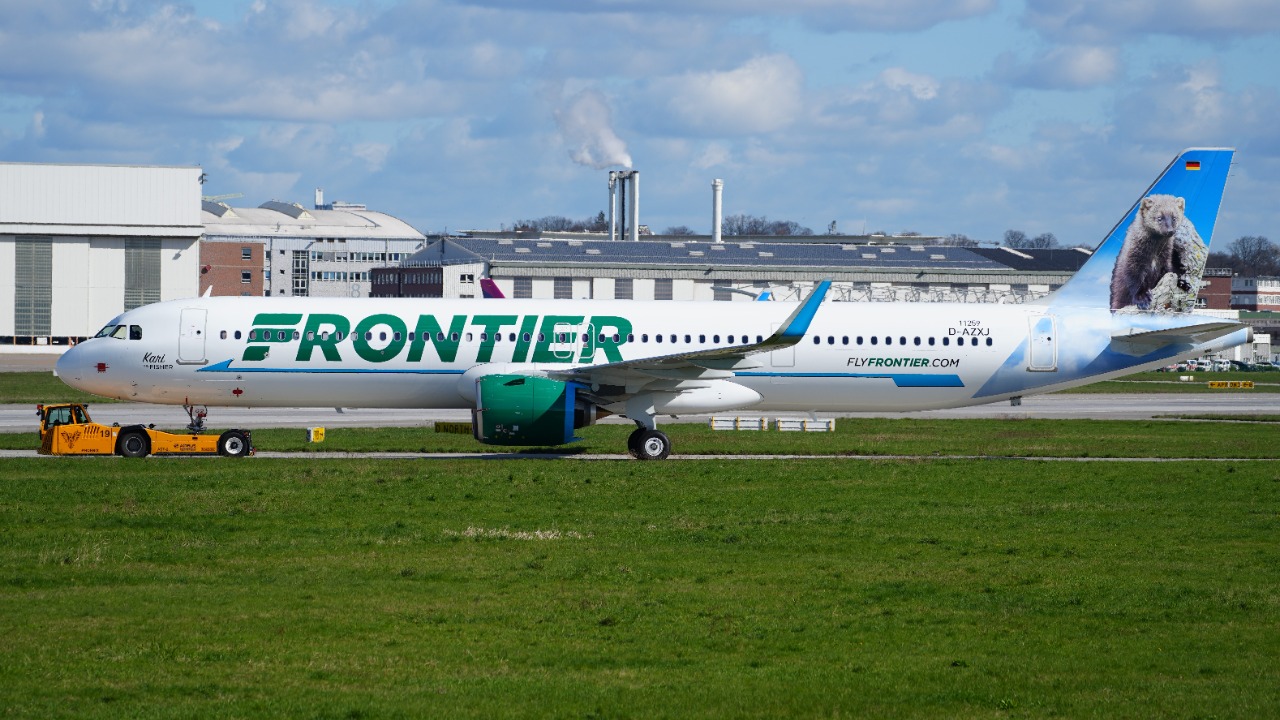

A Frontier Airlines flight from Punta Cana to St. Louis turned into a travel nightmare after the aircraft returned to the Dominican Republic twice over mechanical concerns, leaving passengers frightened, delayed, and scrambling for new ways home.
The incident involved Frontier flight 7007, which departed Punta Cana International Airport on July 6, 2026, bound for St. Louis. According to People, passengers described abnormal noise, aggressive turbulence, vibrations, and a scary return to the airport after the crew identified a possible mechanical issue.
The problem did not end there. Frontier arranged hotel accommodations and scheduled another departure the next day using the same aircraft. Passengers said that flight also turned back after the crew detected another potential mechanical concern. For travelers already shaken by the first event, the second return made the disruption feel less like an inconvenience and more like a serious confidence problem.
What Passengers Said They Experienced
Passengers described the first flight as frightening. One traveler said the aircraft became abnormally loud and turbulent after takeoff. Another passenger reported a humming vibration from the right side of the aircraft and heavy condensation coming from the air-conditioning system. When the pilot announced the return to Punta Cana, many passengers reportedly became emotional.
A family of 17 traveling home after a wedding said the experience left them afraid to board the same plane again. According to First Alert 4, the family said they ended up stuck at the airport and paid about $8,500 for new flights on another airline after deciding not to take the replacement Frontier flight.
That is the human side of airline disruptions. A mechanical return is not only a schedule issue. It can create fear, confusion, financial stress, missed work, childcare problems, lost connections, and pressure on families traveling together.
What Frontier Said Happened
Frontier told local outlets that the crew noticed vibrations from an aircraft panel, which caused the flight to return to Punta Cana and be delayed overnight. The airline said customers were provided overnight hotel accommodations.
After maintenance personnel inspected the aircraft, it was cleared to fly again. But when the flight departed again the next day, the crew identified another potential mechanical concern and returned to Punta Cana out of an abundance of caution.
Frontier later said a different aircraft was brought in to accommodate passengers on a newly added flight, and another regularly scheduled flight was also available. The airline said impacted customers received $200 vouchers for future travel, and passengers who made alternative travel arrangements were entitled to full refunds for their Frontier flight.
Why Turning Back Can Be the Right Safety Decision
For passengers, a return to the airport can feel terrifying. But in aviation, turning back is often the safest and most conservative decision when crews detect a possible mechanical issue. Pilots are trained to evaluate abnormal conditions, communicate with air traffic control, work through checklists, and land at a suitable airport when continuing the flight is not the best option.
A turnback does not automatically mean the plane was in immediate danger of crashing. It means the crew identified something that needed inspection or could not be ignored. In that sense, returning can be a sign that the system is working: the crew noticed a concern and chose safety over schedule.
The Federal Aviation Administration encourages passengers to pay attention to safety briefings and follow crew instructions because rare abnormal events require quick, calm response. Mechanical precautions can be disruptive, but they are part of the safety culture that keeps commercial aviation highly reliable.
Why the Second Turnback Raised Passenger Concern
The first turnback can be understood as a precaution. The second turnback is what made many passengers question the handling of the situation. After a frightening flight, passengers expected a clear fix, strong communication, and confidence that the next aircraft was safe.
When the same aircraft reportedly returned again after another potential mechanical concern, some travelers felt their fears had been validated. For the family that chose to buy new tickets, the issue became less about a delay and more about trust.
Airlines face a difficult balance in these situations. If maintenance clears an aircraft, the airline may return it to service. But passengers who personally experienced a frightening abnormal flight may not feel comfortable boarding the same plane the next day, even if technicians sign it off.
Why Mechanical Issues Can Be Hard to Explain to Passengers
Airline mechanical problems are often technical. A vibration from a panel, an abnormal sound, a sensor warning, or an air-conditioning issue may not translate easily into plain language. Crews and airline staff may also avoid giving too much detail before maintenance teams confirm the exact cause.
That can frustrate passengers. People want certainty. They want to know whether the plane is safe, what failed, why it happened, and why the same aircraft is being used again. When the explanation is vague, anxiety grows.
In this case, the phrase “vibrations from an aircraft panel” may sound minor to an airline maintenance team, but it may sound alarming to passengers who felt strong vibration, heard strange noises, and watched the aircraft turn back over open water.
Why Passenger Communication Matters
Good communication can change how passengers experience a disruption. When people understand what is happening, what the airline is doing, and what their options are, they are more likely to remain calm. When information is unclear or delayed, frustration builds quickly.
Passengers stranded outside the United States face added stress. They may have limited phone access, language barriers, hotel uncertainty, work obligations, medication needs, children with them, or connecting flights already missed.
The U.S. Department of Transportation provides air travel consumer information, including guidance on refunds, delays, cancellations, and passenger rights. While every mechanical disruption is different, passengers should know that they can ask the airline for clear options, written confirmation, and refund information when they do not travel as planned.
What Passengers Are Usually Entitled To
When a flight is canceled or significantly changed and passengers do not accept alternative transportation, they are generally entitled to a refund under U.S. Department of Transportation rules. Airlines may also offer rebooking, hotel accommodations, meal support, travel credits, or vouchers depending on the situation and company policy.
The DOT airline customer service dashboard helps travelers compare airline commitments for controllable delays and cancellations. Mechanical problems are typically considered controllable by airlines, which can affect what assistance the carrier promises.
However, reimbursement for buying a last-minute ticket on another airline is more complicated. Airlines may refund the unused original ticket, but they do not always cover the full cost of replacement travel purchased independently unless required by policy, law, or specific circumstances.
Why Families Can Be Hit Hardest
Large families or groups are especially vulnerable during flight disruptions. Finding one replacement seat may be possible. Finding 17 seats together, or even 17 seats on the same day, can be extremely expensive and difficult.
That is why the wedding group’s reported $8,500 replacement cost stands out. A single mechanical disruption can force families into thousands of dollars in unexpected spending, especially from a resort destination where flight options may be limited.
Travel insurance can sometimes help, but coverage depends on the policy. Not every plan covers fear of flying on the same aircraft, independently purchased replacement flights, missed work, or every type of delay. Travelers should read policy terms carefully before assuming they are protected.
Why International Disruptions Feel Different
Being stranded at an international airport can feel more stressful than being delayed at home. Passengers may worry about passports, immigration rules, hotel access, currency, phone service, children, prescriptions, and return schedules. If the delay happens after a frightening flight, the emotional stress is even stronger.
Punta Cana is a major tourism hub, but returning passengers to U.S. cities still depends on aircraft availability, crew availability, maintenance clearance, and airport operations. If an airline has limited flights from that destination, passengers may have fewer immediate alternatives.
This is one reason low-frequency routes can create bigger disruptions. If a carrier operates only limited service on a route, recovery can be slower when an aircraft goes out of service.
Why Low-Cost Airlines Face Extra Scrutiny During Disruptions
Frontier is an ultra-low-cost carrier, which means its business model focuses on lower base fares and added fees for many extras. That model can work well when operations run smoothly. But during disruptions, passengers may expect the same level of recovery support they associate with larger network carriers.
Low-cost carriers may have fewer spare aircraft, fewer partner-airline rebooking options, and less schedule flexibility on certain routes. That does not mean they are unsafe. It means disruptions can sometimes feel harder to recover from, especially at international airports.
Passengers choosing any airline should consider not only price but also schedule frequency, backup options, customer service reputation, and how important it is to arrive by a fixed deadline.
Why Maintenance Clearance Does Not Always Calm Fear
If a plane is inspected and cleared by maintenance, that is a formal technical decision. Aircraft are not supposed to fly unless mechanics and crews determine they are airworthy. But passenger trust is emotional as well as technical.
A traveler who heard loud noises and felt abnormal vibration may not feel reassured by a brief statement that maintenance cleared the plane. If the same aircraft later turns back again, trust can collapse completely.
This does not mean passengers are experts on aircraft systems. It means airlines need to recognize the human side of safety communication. A technically safe decision can still be poorly received if passengers feel ignored or rushed.
What Travelers Can Do During a Mechanical Delay
Passengers should stay calm, document everything, and ask for information in writing when possible. Save boarding passes, emails, app notifications, receipts, hotel details, meal receipts, and airline messages. If the airline offers vouchers or refunds, ask what accepting them means for other rights.
If travelers choose to book another airline, they should understand that reimbursement may not be guaranteed beyond the refund for the original disrupted flight. Before purchasing expensive replacement tickets, they should ask the airline whether it will cover the cost or only refund the unused fare.
When traveling internationally, it is also wise to keep essential medication, chargers, baby supplies, and important documents in carry-on bags rather than checked luggage.
Why Aviation Safety Still Depends on Conservative Decisions
Despite the frustration, the crew’s decision to return twice shows the central principle of aviation safety: when something does not seem right, do not press on. A mechanical concern at altitude deserves caution, even if it causes delays and anger.
Passengers may understandably feel scared and stranded, but a precautionary landing is better than continuing a flight with an unresolved concern. The real criticism in such cases often focuses less on the pilots’ decision and more on the airline’s recovery plan, communication, aircraft reassignment, and passenger support.
In this incident, the pilots appear to have acted cautiously. The harder questions are about why the aircraft was used again, what exactly was repaired or inspected, and whether passengers were given enough reassurance and practical help.
What Frontier Needs to Rebuild Trust
Frontier can rebuild trust by clearly explaining what happened, confirming the aircraft inspection process, ensuring affected passengers receive refunds or promised compensation, and reviewing how stranded travelers were supported in Punta Cana.
Customers do not expect airlines to control every mechanical issue. They do expect honesty, safety-first decisions, and organized recovery. If a family spends thousands to get home because they are afraid to fly the same plane after a repeat issue, the airline’s response matters.
The event may also prompt broader discussion about how airlines handle repeated mechanical returns on the same aircraft, especially when the first incident was frightening enough to shake passenger confidence.
Final Takeaway
A Frontier Airlines flight from Punta Cana to St. Louis turned back twice after crews detected mechanical concerns, leaving passengers frightened and delayed. The first July 6 flight returned after vibrations from an aircraft panel were reported. After maintenance inspection, the same aircraft departed again the next day but returned once more after another potential mechanical concern.
Frontier said customers were given hotel accommodations, $200 travel vouchers, and refunds for those who made alternative arrangements. A family of 17 said they paid about $8,500 to book new flights on another airline after deciding they did not want to board the same plane again.
The pilots’ decision to return was a safety-first choice, but the passenger experience shows how mechanical scares can become major trust and communication failures. For travelers, the lesson is to document everything, know refund rights, and understand that a precautionary turnback may be safe aviation practice even when the airline’s recovery plan feels deeply frustrating.