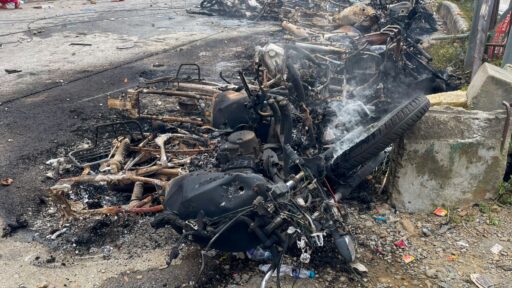
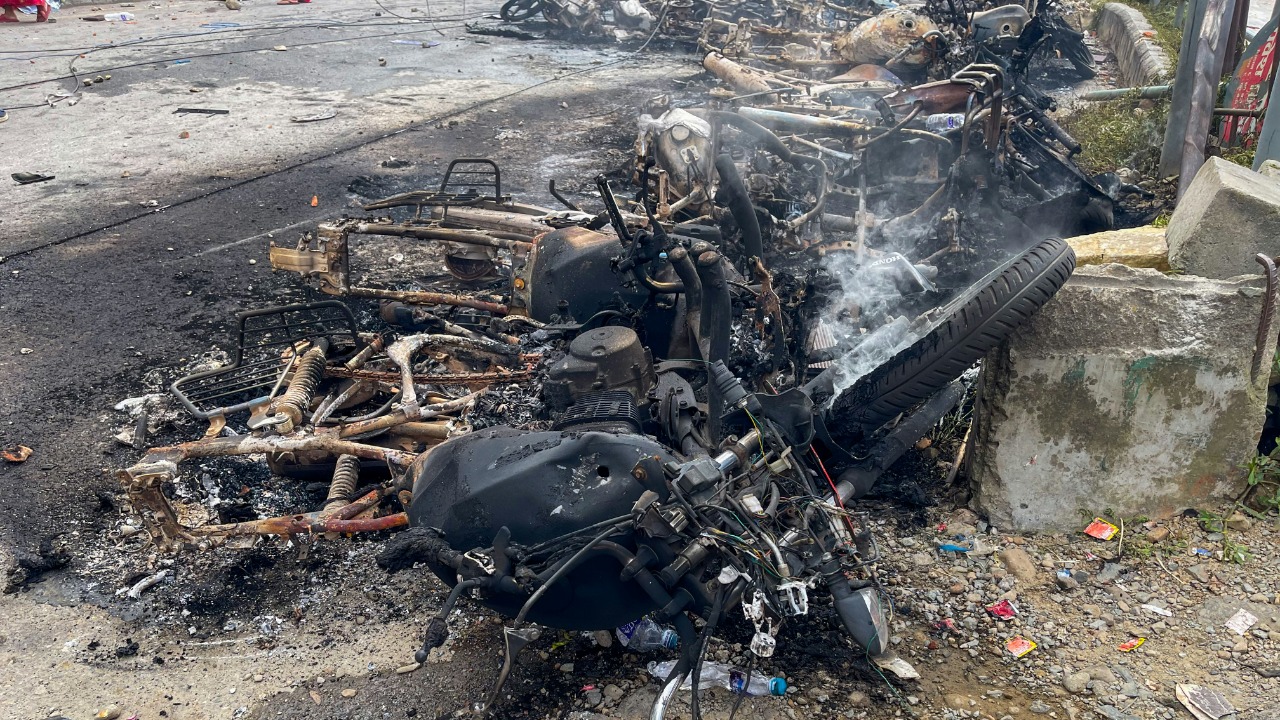

An e-bike battery exploded and set an apartment ablaze, injuring five people and again raising concern about the fire risk linked to lithium-ion batteries used in electric bikes, scooters, and other rechargeable devices. The incident fits a growing pattern seen in cities around the world: a battery fails, overheats, ignites, and turns a normal home into a dangerous fire scene within seconds.
Reports of e-bike and lithium-ion battery fires have increased as more people rely on e-bikes for commuting, delivery work, short trips, and affordable transportation. These devices are useful, but when a battery is damaged, poorly made, overcharged, modified, or paired with the wrong charger, the fire can be explosive and extremely difficult to control.
The National Fire Protection Association warns that damaged lithium-ion batteries can overheat, catch fire, and even explode. Once a battery enters thermal runaway, the fire can spread quickly, burn very hot, and release toxic smoke.
Why E-Bike Battery Fires Are So Dangerous
A lithium-ion battery stores a large amount of energy in a compact space. That is what makes e-bikes practical. A battery pack can power a motor for miles without the weight of older battery types. But that same energy density creates danger when something goes wrong.
If one cell inside the battery overheats or short-circuits, it can heat nearby cells. That chain reaction is called thermal runaway. The battery may hiss, pop, smoke, vent gas, burst into flames, or explode. In an apartment, the fire can ignite furniture, curtains, flooring, boxes, clothing, and nearby devices before residents have time to react.
The FDNY lithium-ion battery safety guide tells people to watch for warning signs such as odor, color change, shape change, leaking, or unusual noises. If any of those signs appear, the device should no longer be used and emergency help may be needed.
Why Apartments Are Especially Vulnerable
An e-bike battery fire inside an apartment is more dangerous than the same failure in an open outdoor area. Apartments often have narrow hallways, shared stairwells, limited exits, close neighbors, and combustible household materials. Smoke can spread through corridors and ventilation spaces, while flames can block the only safe way out.
A battery fire near a doorway is particularly dangerous because it can trap people inside. Fire officials repeatedly warn residents not to charge e-bikes, scooters, or batteries in exit paths. If the battery ignites at night or while people are sleeping, every second matters.
In a previous New York apartment fire, the Associated Press reported that a lithium-ion battery ignited a deadly blaze in a Harlem building and that flames spread in a way that blocked escape routes. That kind of incident shows why fire departments treat battery fires as more than ordinary electrical fires.
The Injuries Show How Quickly These Fires Escalate
Five people being injured in one apartment fire shows how fast a battery event can turn into a multi-person emergency. Injuries may come from burns, smoke inhalation, falls while escaping, broken glass, or panic during evacuation.
Lithium-ion fires can also produce toxic gases. That means people may be harmed even if flames do not directly touch them. Smoke from burning batteries and household materials can quickly fill rooms, hallways, and stairwells.
For firefighters, these incidents are also difficult. Battery packs may reignite after appearing extinguished, and damaged cells can continue generating heat. Crews may need to remove the battery, cool it for an extended period, isolate it, or treat it as hazardous material.
Why Charging Is Often the Danger Point
Many e-bike fires happen while a battery is charging or shortly after charging. Charging places stress on the battery system. If the charger is incompatible, counterfeit, damaged, or poorly designed, it may overcharge the battery or bypass safety protections.
The safest charger is the one supplied or approved by the manufacturer for that exact battery and bike. Mixing chargers and batteries is risky because voltage, current, connector type, and battery-management systems may not match.
FDNY advises people to plug chargers directly into a wall outlet, avoid extension cords or power strips, charge away from flammable materials, and never charge batteries unattended or while sleeping. Those are simple steps, but they can prevent a fire from starting when people are least able to respond.
Cheap or Modified Batteries Raise the Risk
Not all e-bike batteries are built to the same standard. Some low-cost replacement packs use poor-quality cells, weak battery-management systems, counterfeit parts, or unsafe construction. Others may be rebuilt or repaired by people without proper equipment.
Modified batteries are especially risky. Opening a battery pack, replacing cells, changing wiring, bypassing protections, or using a non-original charger can defeat the safety systems designed to stop overheating and overcharging.
The Consumer Product Safety Commission has moved toward stronger safety rules for e-bikes and similar products, including ideas aimed at preventing tampering with battery packs. That reflects the growing concern that unsafe batteries are turning homes into fire scenes.
Certification Matters
Consumers should look for e-bikes, scooters, chargers, and batteries that meet recognized safety standards. Certification is not a guarantee that nothing will ever go wrong, but it greatly reduces risk compared with untested or counterfeit products.
For e-bikes, safety references often include UL 2849 for the electrical system and UL 2271 for batteries. A guide from Princeton University’s Environmental Health and Safety office notes that e-bikes should meet UL 2849 or EN 15194, while the battery alone may be certified under UL 2271. The guide also recommends using only the manufacturer’s cord and power adapter.
This matters because online marketplaces can include products that look legitimate but lack meaningful testing. A low price may be attractive, but the hidden cost can be fire risk inside the home.
Warning Signs Before a Battery Fire
A failing battery may show warning signs before it ignites. These signs include swelling, cracking, leaking, strange smells, unusual heat, hissing, popping, smoke, discoloration, or sudden performance changes. A battery that no longer holds charge properly, shuts off unexpectedly, or becomes hot during normal use should be treated seriously.
If a battery shows any of these signs, it should not be charged again. It should be moved away from flammable materials if that can be done safely, and local fire or hazardous-waste guidance should be followed.
People should not throw damaged lithium-ion batteries in regular trash. They can ignite in garbage trucks, waste facilities, or recycling centers. Local battery recycling or hazardous-waste programs are safer options.
What To Do If a Battery Starts Smoking
If an e-bike battery begins smoking, hissing, swelling, or making popping sounds, residents should get away from it immediately. Do not try to carry a venting battery through an apartment or hallway. Do not cover it with blankets. Do not pour random chemicals on it. Do not place it near exits.
The safest action is to alert everyone, leave the building, close doors behind you if possible, and call emergency services from outside. If the fire is small and a person is trained with the right extinguisher, they may act only if escape is clear. But battery fires can escalate too quickly for untrained people to fight safely.
The goal is survival first, property second.
Why Doors and Exits Matter
One of the most important fire-safety lessons is to keep exits clear. E-bikes should not be stored or charged in hallways, stairwells, doorways, or near bedroom exits. If a fire starts in that location, escape may become impossible.
Closed doors can slow smoke and flames. During a fire, residents should close doors as they leave if doing so does not delay escape. In apartment buildings, this can help prevent smoke from filling stairwells and upper floors.
Building owners should also make sure fire doors close properly, stairwells remain clear, smoke alarms work, and residents understand evacuation procedures. Battery fires are fast, but basic building safety can still save lives.
Why Delivery Workers Face Extra Risk
E-bike battery safety is especially important for delivery workers because many depend on e-bikes for income. They may ride long hours, charge frequently, buy used batteries, replace parts often, or store multiple batteries in small apartments.
Economic pressure can push workers toward cheaper batteries or unofficial repairs. That creates a safety problem for the worker, their family, neighbors, and the entire building.
Some cities have started programs to replace unsafe e-bikes and batteries with certified equipment. New York City announced efforts to swap illegal devices for UL-certified e-bikes and compatible batteries through safety programs aimed at reducing fire and crash risks. The city’s announcement is available through NYC Consumer and Worker Protection.
Why Fire Departments Are Changing Their Messaging
Fire departments now treat lithium-ion battery safety as a major public-education issue. The message is no longer only “check your smoke alarm.” It is also “charge safely, buy certified, avoid damaged batteries, and keep batteries away from exits.”
FDNY has repeatedly warned that e-bike battery fires can be explosive and fast-moving. Firefighters have seen apartments fill with flames in seconds, leaving residents little time to escape.
This is why safety guidance may sound strict. Fire departments are not trying to discourage e-bike use. They are trying to prevent fires caused by unsafe charging, bad batteries, incompatible equipment, and poor storage.
How To Charge an E-Bike More Safely
Charging should happen in a clear area away from beds, couches, curtains, paper, clothing, boxes, and exits. The charger should plug directly into a wall outlet, and the battery should be unplugged when fully charged. Charging overnight or while no one is home increases risk because no one may notice early warning signs.
The battery should be kept at room temperature when possible. Extreme heat, freezing cold, water exposure, and physical impact can damage cells. A battery that was dropped, crashed, submerged, or exposed to floodwater should be inspected and may need replacement.
People should also avoid daisy-chaining power strips or charging multiple high-capacity batteries from one overloaded outlet. Household wiring may not be designed for that kind of load.
What Renters Should Know
Renters should check building rules about e-bike storage and charging. Some apartment buildings restrict charging in units, hallways, or common spaces because one failed battery can endanger many residents. These rules can feel inconvenient, especially for people who rely on e-bikes, but they exist because shared buildings multiply the risk.
Tenants should ask landlords about safe charging areas, outdoor storage, bike rooms, or certified charging cabinets. If a building has no safe system, residents should still avoid the most dangerous behaviors: charging near exits, charging while asleep, using damaged batteries, or using mismatched chargers.
Renters should also make sure their smoke alarms work and consider renters insurance, although insurance does not replace safe charging.
What Building Owners Should Do
Building owners and managers should treat lithium-ion battery safety as part of fire prevention. They can post clear rules, inspect common areas for blocked exits, provide information in multiple languages, and create safe charging policies.
Some larger buildings may consider dedicated charging areas with fire-resistant design, ventilation, monitoring, and approved electrical capacity. Simply banning e-bikes without offering safe alternatives may create enforcement problems, especially in cities where workers depend on them.
Good policy should reduce risk while recognizing that e-bikes are now part of everyday transportation.
Why E-Bikes Are Still Useful
E-bikes are not the enemy. They reduce car trips, help people commute, support delivery workers, make cycling accessible to more riders, and lower transportation costs. The problem is unsafe batteries and unsafe charging practices.
A certified, well-maintained e-bike used with the correct charger is much safer than a cheap, modified, damaged, or counterfeit battery pack charged overnight next to a doorway.
The goal should not be fear of every e-bike. The goal should be safer products, better rules, smarter charging habits, and faster removal of dangerous batteries from homes.
Final Takeaway
An e-bike battery explosion that set an apartment ablaze and injured five people is another reminder that lithium-ion battery fires can become life-threatening within seconds. These fires burn hot, spread fast, produce toxic smoke, and can block escape routes in apartments and shared buildings.
The most important safety steps are clear. Use certified e-bikes and batteries, charge only with the manufacturer-approved charger, never charge while asleep or away, keep batteries away from exits and flammable materials, stop using damaged batteries, and call emergency services if a battery smokes, swells, hisses, leaks, or overheats.
E-bikes can be safe and useful transportation, but only when the battery system is treated with respect. A small battery pack may look harmless, but when it fails indoors, it can turn an apartment into an inferno.