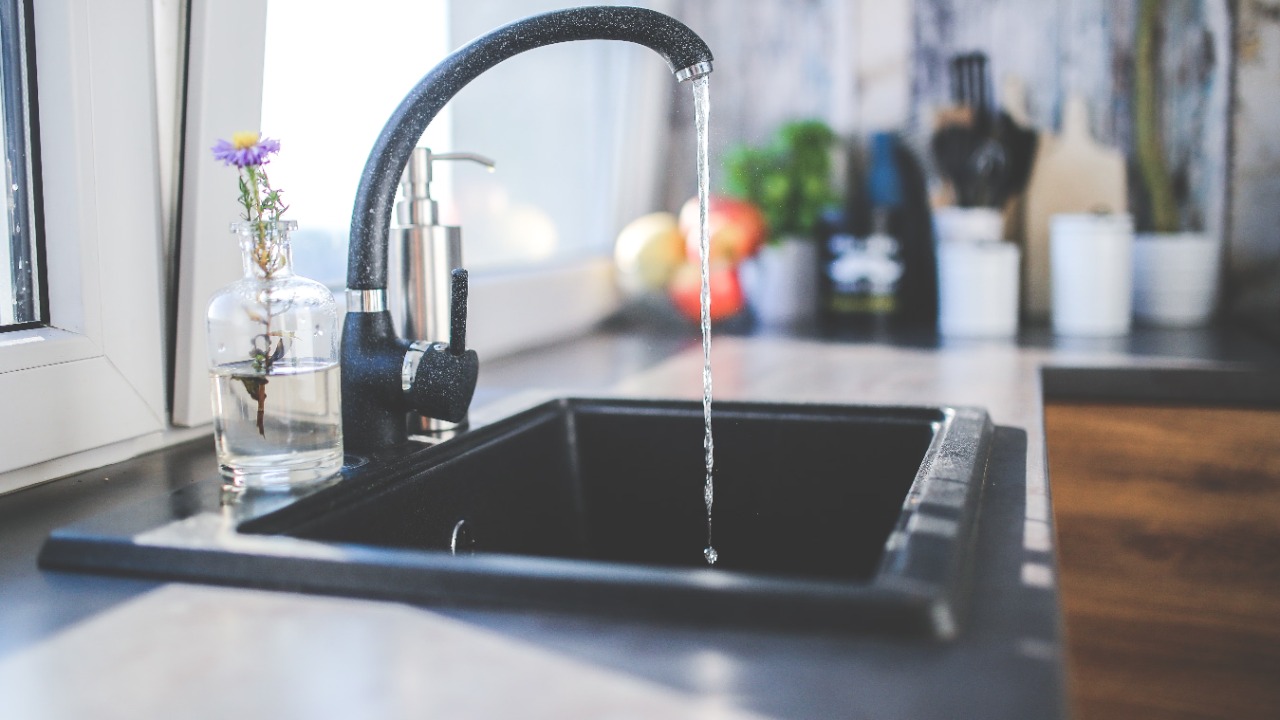

New EPA testing data suggests that about 176 million Americans may be drinking tap water contaminated with PFAS, the toxic “forever chemicals” that can persist in the environment and build up in people over time. The estimate points to a much larger drinking water problem than many households may realize, especially because PFAS contamination is invisible, tasteless, and not something people can detect by smell or appearance.
According to analysis from the Environmental Working Group, new EPA test data shows that about 176 million people in the United States drink tap water contaminated with PFAS. The group said that figure is about 4 million more people than previously known, based on the latest round of testing from public water systems.
The issue is serious because drinking water is one of the most direct ways people can be exposed to PFAS. These chemicals have been used for decades in industrial processes, firefighting foams, stain-resistant fabrics, nonstick cookware, water-resistant clothing, food packaging, cosmetics, and many other products. Once released, they can move through soil, groundwater, rivers, and drinking water systems.
What Are Forever Chemicals?
PFAS stands for per- and polyfluoroalkyl substances. They are often called forever chemicals because many of them do not break down easily in the environment. Their chemical structure makes them resistant to heat, oil, water, and degradation, which is why manufacturers used them in so many products. That same durability is also what makes them so hard to remove once they contaminate water.
The EPA’s PFAS health information page says exposure to certain PFAS may be harmful to human health. Research has linked some PFAS exposure with increased cholesterol, changes in liver enzymes, lower immune response, thyroid effects, pregnancy-related problems, and increased risk of certain cancers, although scientists are still studying how different PFAS affect people at different exposure levels.
Not all PFAS are identical. There are thousands of chemicals in this group, and the health evidence is stronger for some than for others. But the broader concern is that many PFAS are persistent, mobile, and difficult to clean up once they enter water supplies.
Why the New EPA Data Matters
The latest estimate matters because it comes from real testing data from public water systems. For years, PFAS contamination was known to be widespread, but the full scale was difficult to measure because many systems had not been tested. As more water systems report results, the known number of affected people has grown.
The EPA’s testing under the Unregulated Contaminant Monitoring Rule has helped reveal where PFAS are showing up in public drinking water. The EPA’s UCMR program is designed to collect data on contaminants that are suspected to be present in drinking water but are not always fully regulated at the time of monitoring. That kind of testing is important because it gives regulators, utilities, researchers, and communities a clearer picture of national exposure.
The number 176 million does not mean every person is exposed to the same PFAS chemicals or the same concentration. Some water systems may have low detections, while others may exceed health-based limits. But the estimate shows that PFAS contamination is not a small, isolated problem. It is a national drinking water issue.
How PFAS Get Into Drinking Water
PFAS can enter water supplies through many pathways. Industrial facilities may release PFAS into air, soil, or wastewater. Military bases and airports have used firefighting foams that contain PFAS, especially during training and emergency response. Landfills can leak PFAS from discarded consumer products. Wastewater treatment plants can receive PFAS from homes, businesses, and factories, then discharge contaminated water or produce biosolids that may spread PFAS onto land.
Once PFAS enter groundwater or surface water, they can travel long distances. Communities near industrial sites, airports, military installations, landfills, wastewater facilities, or firefighting training areas may face higher risk. But contamination can also appear in places where residents have no obvious local source.
This is one reason PFAS are so challenging. They do not stay neatly contained. They can move through water systems, accumulate in fish and wildlife, and persist for years.
Why Tap Water Exposure Is So Concerning
People can be exposed to PFAS through food, dust, consumer products, workplaces, and drinking water. Tap water is especially concerning because it can be consumed every day. People drink it, cook with it, make baby formula with it, and use it in coffee, tea, soups, and other foods.
Long-term low-level exposure is difficult to understand because PFAS effects may build over time. A single glass of water is not the issue. The concern is repeated exposure over months or years, especially for pregnant people, infants, children, and people with existing health conditions.
The Centers for Disease Control and Prevention, through the Agency for Toxic Substances and Disease Registry, provides public health information on PFAS exposure and explains that PFAS can remain in the human body for a long time. This persistence is why reducing exposure matters even when immediate symptoms are not visible.
What the EPA Has Done on PFAS Drinking Water
In 2024, the EPA finalized the first national drinking water standards for several PFAS chemicals. The rule set legally enforceable limits for PFOA and PFOS, two of the most studied PFAS, and also addressed PFNA, PFHxS, GenX chemicals, and PFBS through individual or mixture-based standards.
The EPA’s 2024 drinking water standard announcement said the rule was expected to reduce PFAS exposure for about 100 million people, prevent thousands of deaths, and reduce tens of thousands of serious illnesses. That was a major step because, before the rule, there had never been a nationwide enforceable drinking water limit for PFAS.
However, PFAS regulation has remained politically and legally contested. The EPA has also announced changes to its PFAS strategy and compliance timelines. In 2026, the agency said it was advancing what it called a legally defensible and practical PFAS strategy, while also making nearly $1 billion in grant funding available for emerging contaminants in drinking water through small and disadvantaged community programs. The EPA’s May 2026 announcement is available on its PFAS strategy update page.
Why Some Advocates Are Worried
Environmental and public health groups argue that weakening or delaying PFAS limits could leave millions of people exposed for longer. The Environmental Working Group’s analysis tied the 176 million exposure estimate to concerns that federal protections may be rolled back or slowed before many communities finish cleaning up their water.
PFAS treatment can be expensive, especially for small water systems. Utilities may need advanced filtration, new wells, source-water changes, or long-term monitoring. These costs can create pressure on local governments and ratepayers. But advocates argue that delaying cleanup shifts the health burden onto residents.
This is the central tension in PFAS policy. Regulators must balance science, public health, utility costs, legal durability, and implementation timelines. Communities, meanwhile, want safe water now.
How PFAS Can Be Removed From Water
PFAS are difficult to remove, but they are not impossible to reduce. Common treatment technologies include granular activated carbon, ion exchange resins, and reverse osmosis. Each method has strengths and limits depending on the type of PFAS, water chemistry, system size, cost, and maintenance.
At the household level, some water filters can reduce certain PFAS, but not all filters are equal. Pitcher filters, refrigerator filters, and basic carbon filters may vary widely in performance. Consumers should look for products tested and certified for PFAS reduction rather than assuming any filter will work.
The NSF provides guidance on PFAS in drinking water and explains that certified filters can help reduce certain PFAS when used and maintained correctly. Filter replacement matters because a filter that is not changed on schedule may stop working effectively.
What Households Can Do Now
People who are concerned about PFAS in their tap water can start by checking their local water utility’s consumer confidence report. Public water systems are required to provide annual water quality reports, although PFAS data may not always be easy to interpret. Residents can also search state environmental agency websites or EPA testing data to see whether PFAS have been detected in their system.
If PFAS are present, households can consider a certified filter designed for PFAS reduction. Reverse osmosis systems are often effective for many PFAS, but they can be more expensive and may require installation and maintenance. Activated carbon systems can also help, depending on the product and contaminant levels.
People using private wells may need to arrange their own testing because private wells are not regulated in the same way as public water systems. This matters for communities near known PFAS sources, including military bases, airports, industrial sites, and firefighting training areas.
Why Private Wells Are a Special Concern
Public water systems are more likely to be included in federal monitoring and reporting programs. Private wells are different. If a household uses a private well, the owner is usually responsible for testing and treatment. That means PFAS contamination can go unnoticed unless residents take action or a state investigation identifies a problem.
Private well users near potential PFAS sources should consider testing through a certified laboratory. Local health departments or state environmental agencies may provide guidance, and some areas with known contamination may offer testing or treatment support.
For families using well water for drinking, cooking, and infant formula, testing can be especially important. PFAS cannot be boiled away. In fact, boiling water may concentrate some contaminants because water evaporates while chemicals remain.
Why Boiling Water Does Not Solve PFAS
Boiling water is useful for killing bacteria, viruses, and parasites during some water emergencies, but it does not remove PFAS. Because PFAS are chemical contaminants, they require filtration or treatment technologies designed to capture or separate them.
This distinction is important because many people instinctively boil water when they are worried about safety. For PFAS, boiling is not the answer. The better options are source control, public water treatment, certified point-of-use filters, or bottled water in specific short-term situations where officials recommend it.
Communities dealing with PFAS contamination need clear communication so residents know what actions actually reduce exposure.
Why Cleanup Is So Difficult
PFAS cleanup is difficult because the chemicals are persistent and widespread. Once PFAS enter groundwater, they can be costly and slow to remove. Treatment systems also create waste, such as spent carbon or concentrated brine, that must be handled safely.
Another challenge is that PFAS are still present in many products and industrial processes. Cleaning up existing contamination is important, but preventing new releases is just as critical. Otherwise, water systems may remove PFAS from drinking water while new PFAS continue entering the environment.
This is why many advocates push for stronger upstream controls, not just filtration at the tap. If PFAS are kept out of products, wastewater, industrial discharge, and firefighting foam, the long-term cleanup burden can be reduced.
The Legal and Financial Fight Over Responsibility
PFAS cleanup has triggered major lawsuits against chemical manufacturers. States, water utilities, and communities have argued that companies knew about PFAS risks but continued producing or selling them. Recent legal actions have targeted major chemical makers over alleged contamination and cleanup costs.
For example, Reuters reported that New York sued 3M, DuPont, Chemours, Corteva, and related companies over PFAS in consumer goods, accusing them of contributing to widespread contamination. Lawsuits like these are part of a larger national battle over who should pay for testing, treatment, medical monitoring, and environmental cleanup.
The financial stakes are enormous. If utilities must install advanced treatment systems, costs can reach millions of dollars. Communities argue that ratepayers should not be left paying for pollution they did not create.
Why This Is a Public Trust Issue
Drinking water safety depends on public trust. People expect tap water to be monitored, regulated, and safe. When new testing reveals widespread contamination, that trust can weaken, especially if residents feel they were not informed clearly or quickly.
PFAS makes communication harder because the science is complex. Different chemicals have different health profiles. Levels can be measured in parts per trillion, which can sound abstract. Some utilities may be working toward compliance while still reporting detections. Residents may struggle to understand whether their water is safe today, whether they need a filter, and what their long-term risk may be.
Clear communication is essential. People need plain-language information about test results, health guidance, treatment timelines, and practical steps they can take.
Final Takeaway
New EPA testing data suggests that about 176 million Americans may be drinking tap water contaminated with PFAS, the persistent chemicals widely known as forever chemicals. The estimate shows that PFAS contamination is not a small local issue. It is a national drinking water challenge affecting a large share of the country.
PFAS exposure has been linked to several possible health concerns, including immune, liver, thyroid, cholesterol, pregnancy, and cancer-related risks. The science is still developing, but the persistence of these chemicals makes prevention and cleanup urgent.
For households, the practical steps are to check local water reports, look for PFAS testing data, use certified filters if needed, and avoid assuming that boiling water will solve the problem. For policymakers and water utilities, the bigger challenge is reducing exposure, funding treatment, preventing new contamination, and holding polluters accountable.
Safe tap water should not depend on guesswork. The latest PFAS data is a reminder that drinking water protection requires strong testing, clear rules, transparent communication, and long-term commitment.