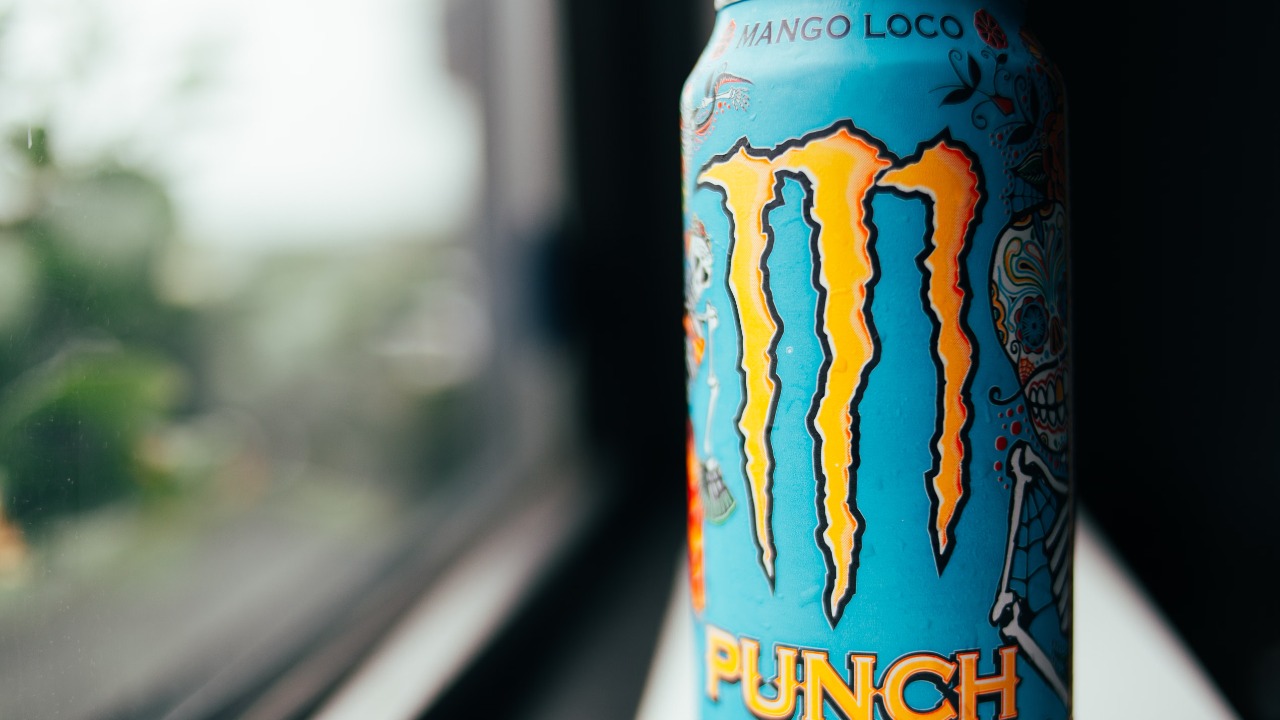

Energy drinks are often marketed as a quick way to feel alert, focused, and physically ready, but researchers are warning that the same drinks may also put sudden stress on the heart. Studies have linked energy drink consumption with spikes in blood pressure, faster heart rate, changes in the heart’s electrical activity, and possible arrhythmias, sometimes within the same day.
A 2025 review published through the National Library of Medicine analyzed 37 studies involving 1,597 participants and found significant cardiovascular effects after energy drink use. The review reported increases in heart rate, systolic blood pressure, diastolic blood pressure, QTc interval prolongation, and other ECG changes. These findings matter because blood pressure and electrical rhythm changes can increase strain on the cardiovascular system.
Energy drinks are not the same as ordinary coffee. Many contain caffeine plus other stimulants, sugar, taurine, guarana, ginseng, B vitamins, and additional compounds that may affect the body together. For healthy adults, an occasional energy drink may not cause obvious harm, but the risks rise with large servings, frequent use, underlying heart conditions, high blood pressure, dehydration, alcohol mixing, or intense exercise.
Why Energy Drinks Can Affect the Heart So Quickly
Energy drinks work quickly because caffeine and other stimulants are absorbed into the bloodstream and act on the nervous system. Caffeine blocks adenosine, a chemical that helps the body feel tired. That can make a person feel more awake, but it can also increase adrenaline-like effects, raise heart rate, and tighten blood vessels.
When blood vessels constrict and the heart pumps harder, blood pressure can rise. In some people, the heart may also become more electrically excitable. That can lead to palpitations, skipped beats, racing heartbeat, or rhythm disturbances.
A clinical study published in the Journal of the American Heart Association found that consuming a high volume of energy drinks was associated with higher blood pressure and changes in the QT interval, a measure of the heart’s electrical recovery between beats. QT changes are important because abnormal prolongation can increase the risk of certain dangerous arrhythmias in vulnerable people.
What Researchers Mean by Arrhythmia Risk
An arrhythmia is an abnormal heart rhythm. Some arrhythmias are harmless and brief, while others can be serious. A person may feel fluttering, pounding, racing, skipped beats, dizziness, shortness of breath, chest discomfort, or faintness. In rare cases, arrhythmias can become dangerous, especially in people with underlying heart disease or inherited rhythm disorders.
The American Heart Association explains that arrhythmias happen when the heart’s electrical signals do not work properly. Energy drinks may contribute to this risk by increasing stimulation, raising blood pressure, changing electrolyte balance, affecting sleep, or altering the heart’s electrical timing.
This does not mean every person who drinks an energy drink will develop an arrhythmia. Most healthy people will not experience a serious rhythm problem from one can. The concern is that these drinks can create a pro-arrhythmic environment, especially when combined with other risk factors.
Why Blood Pressure Spikes Matter
A temporary rise in blood pressure may not seem serious, but repeated spikes can matter. Blood pressure is the force of blood pushing against artery walls. When that pressure rises sharply, the heart works harder and blood vessels experience more stress.
For people with hypertension, heart disease, kidney disease, anxiety disorders, or stimulant sensitivity, an energy drink may worsen an already strained system. Even for younger users, repeated high-caffeine intake can contribute to unhealthy patterns, especially when paired with poor sleep, stress, dehydration, or heavy workouts.
The Centers for Disease Control and Prevention notes that high blood pressure raises the risk of heart disease and stroke. While one energy drink is not the same as chronic hypertension, sudden increases in blood pressure can be concerning for people already at risk.
The 24-Hour Concern
Some reviews and experimental studies have reported cardiovascular effects after energy drink use within hours and sometimes within 24 hours of consumption. A 2025 review in Beverages summarized evidence linking energy drinks with acute blood pressure rises, arrhythmias, endothelial dysfunction, and metabolic disturbances, sometimes within a day of a single can.
That timing is important because many people assume energy drinks only cause a short burst of alertness and then fade harmlessly. In reality, the body may continue responding after the initial energy boost. Caffeine can remain active for several hours, and sleep disruption later in the day can create another layer of cardiovascular stress.
If someone drinks an energy drink in the afternoon, feels wired at night, sleeps poorly, wakes up tired, and drinks another one the next day, a cycle can form. Over time, that pattern may increase strain on the nervous system and cardiovascular system.
Why Caffeine Is Only Part of the Story
Caffeine gets most of the attention, but energy drinks often contain a mix of ingredients. Guarana, for example, naturally contains caffeine, so a drink may deliver more stimulant effect than the label makes obvious at first glance. Taurine and other additives may also influence cardiovascular responses, although research is still developing.
Sugar is another issue. Many energy drinks contain large amounts of added sugar, which can affect blood glucose, insulin response, weight, and long-term metabolic health. Sugar-free energy drinks remove that part of the concern, but they may still contain high caffeine and other stimulants.
The U.S. Food and Drug Administration says that for most adults, up to 400 milligrams of caffeine per day is not generally associated with dangerous effects. However, the FDA also notes that people vary in how sensitive they are to caffeine and how quickly they metabolize it. That variation helps explain why one person may feel fine after an energy drink while another feels shaky, anxious, or notices palpitations.
Why Teens and Young Adults Are a Major Concern
Energy drinks are especially popular among teens, college students, gamers, athletes, shift workers, and people trying to stay awake for long hours. Younger consumers may be more likely to drink them quickly, combine them with exercise, or use multiple cans in one day.
This is a concern because teens and young adults may underestimate the stimulant load. They may also mix energy drinks with alcohol, which can be risky because caffeine can make a person feel more alert while alcohol still impairs judgment, coordination, and reaction time.
The CDC warns that mixing alcohol with caffeine can mask alcohol’s depressant effects, making people feel more alert than they really are. This can increase the risk of drinking more alcohol, injuries, impaired driving, and other harms.
Energy Drinks and Exercise Can Be a Risky Mix
Some people use energy drinks before workouts to boost performance. The problem is that exercise already increases heart rate, blood pressure, body temperature, and adrenaline. Adding a stimulant-heavy drink can push the body harder, especially during intense training, hot weather, dehydration, or endurance exercise.
For healthy athletes, this may only feel like extra energy. For others, it can trigger palpitations, dizziness, chest discomfort, or faintness. People with undiagnosed heart conditions may be especially vulnerable because they may not know they are at risk until symptoms appear.
Sports performance does not require energy drinks. Hydration, sleep, balanced meals, structured training, and appropriate caffeine use are safer foundations. If someone chooses caffeine before exercise, it is better to know the dose rather than drink a product with a complex stimulant blend.
People With Heart Conditions Should Be Extra Careful
People with high blood pressure, atrial fibrillation, long QT syndrome, cardiomyopathy, coronary artery disease, heart failure, or a history of palpitations should be cautious with energy drinks. The same applies to people taking medications that affect heart rhythm, blood pressure, or stimulant sensitivity.
Mayo Clinic specialists have warned that energy drinks may trigger cardiac arrhythmias in patients with genetic heart disease. In a Mayo Clinic report, researchers noted that although the event rate was low, energy drinks could create a potentially pro-arrhythmic state in vulnerable patients.
That warning is important because some heart rhythm conditions are inherited and may remain hidden until triggered. A person may feel healthy but still carry risk. This does not mean everyone needs genetic testing before drinking caffeine, but it does mean unexplained fainting, family history of sudden cardiac death, or recurrent palpitations should be taken seriously.
Warning Signs After Drinking an Energy Drink
Some symptoms after energy drink use should not be ignored. A racing heart that does not settle, chest pain, fainting, severe dizziness, shortness of breath, confusion, or a feeling of irregular heartbeat should be treated seriously. These symptoms may require medical attention, especially if they are new, intense, or occur in someone with heart risk factors.
Milder symptoms such as jitters, anxiety, stomach upset, headache, shakiness, sweating, and insomnia can also signal that the body is not tolerating the stimulant load well. If these happen repeatedly, reducing or avoiding energy drinks may be the safer choice.
People should also avoid using energy drinks to cover chronic fatigue. Persistent tiredness may be caused by poor sleep, sleep apnea, anemia, thyroid problems, depression, stress, medication effects, or other medical issues. Masking fatigue with stimulants can delay finding the real cause.
Why Sleep Disruption Adds to the Risk
Energy drinks can affect the heart directly, but they can also affect it indirectly by disrupting sleep. Poor sleep can raise stress hormones, increase blood pressure, worsen insulin resistance, and make the heart more vulnerable to strain.
If someone uses energy drinks to stay awake during the day and then cannot sleep properly at night, they may enter a cycle of fatigue and stimulant use. That cycle can be hard on the cardiovascular system and may worsen anxiety, mood, focus, and metabolic health.
The National Sleep Foundation recommends limiting caffeine close to bedtime and keeping a consistent sleep routine. For people who rely on energy drinks every day, improving sleep may reduce the need for stimulants in the first place.
Why Labels Can Be Confusing
Energy drink labels can be confusing because serving sizes, caffeine amounts, and added stimulants vary widely. Some cans contain one serving, while larger cans may contain two servings. Some products clearly list caffeine, while others include ingredients that add caffeine indirectly.
Consumers should read labels carefully and count total daily caffeine from all sources, including coffee, tea, soda, pre-workout supplements, chocolate, medications, and energy drinks. A person who drinks coffee in the morning and energy drinks later may exceed safe limits without realizing it.
Pre-workout powders and concentrated energy shots can be even stronger than standard cans. These products may deliver high caffeine doses quickly, increasing the chance of palpitations, anxiety, and blood pressure spikes.
A Safer Approach to Energy and Alertness
For people who want more energy, the safest first step is not always another stimulant. Hydration, regular meals, sleep quality, movement, daylight exposure, and stress management can all improve alertness. If caffeine is used, moderate coffee or tea may be easier to dose than energy drinks with multiple stimulants.
People who still choose energy drinks should avoid drinking several in one day, avoid mixing them with alcohol, avoid using them before intense exercise if they have heart symptoms, and avoid them late in the day. Anyone with heart disease, high blood pressure, arrhythmia history, pregnancy, or stimulant sensitivity should ask a healthcare professional before using them.
The goal is not to create panic. It is to recognize that energy drinks are active stimulant products, not harmless flavored drinks.
Final Takeaway
Researchers warn that energy drinks can raise blood pressure, increase heart rate, alter the heart’s electrical activity, and potentially trigger arrhythmias, sometimes within hours or within a day of consumption. The risk is usually higher with large servings, frequent use, underlying heart conditions, high caffeine intake, alcohol mixing, dehydration, or intense exercise.
For most healthy adults, an occasional energy drink may not cause a serious problem. But these drinks can place real stress on the cardiovascular system, especially in vulnerable people. Palpitations, chest pain, fainting, severe dizziness, or shortness of breath after drinking one should not be ignored.
The safest message is simple. Know the caffeine dose, avoid stacking stimulants, do not mix energy drinks with alcohol, be careful before workouts, and take heart symptoms seriously. Energy may feel like the benefit, but the heart still has to handle the cost.