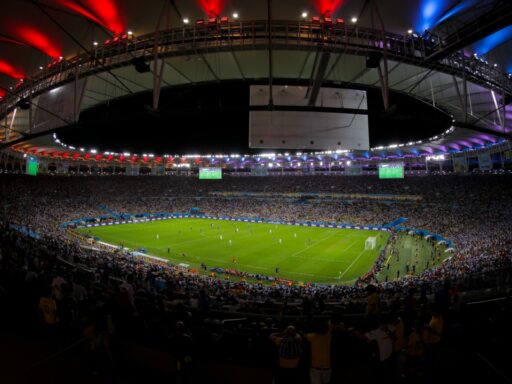

The World Cup is supposed to be football’s biggest celebration. It brings together countries, cultures, players, and supporters from every corner of the world. Stadiums become colorful, loud, emotional, and unforgettable. But when passion turns into abuse, violence, or racism, the same atmosphere that makes football beautiful can quickly become dangerous.
Argentina’s supporters are now facing serious accusations from Egypt and Cape Verde fans after tense knockout matches at the 2026 FIFA World Cup. Supporters from both countries have alleged that some Argentina fans threw beer, hurled abuse, used racist language, and created hostile scenes during or after key moments in the matches.
According to Al Jazeera, sections of Egypt and Cape Verde supporters said Argentina fans targeted them with abuse and thrown beer bottles when their teams scored against Argentina. The allegations come after Argentina beat Cape Verde 3-2 in the Round of 32 and then defeated Egypt 3-2 in the Round of 16.
The accusations have added another layer of controversy to Argentina’s World Cup run. On the pitch, the defending champions have survived dramatic knockout matches. Off the pitch, questions are growing about fan conduct, stadium security, racism, and whether FIFA’s anti-discrimination systems are strong enough when abuse happens in the stands.
What Fans Are Alleging
The claims from Egypt and Cape Verde supporters are serious because they involve both violence and racism. Fans told Al Jazeera that Argentina supporters threw beer bottles and directed abuse at them during moments when Cape Verde or Egypt scored. These are allegations, and authorities still need to review evidence, security reports, videos, and witness accounts before any formal conclusions are reached.
But even as allegations, they deserve attention. Football stadiums are emotional places, and rivalry can be intense. Still, there is a clear line between passionate support and behavior that threatens or dehumanizes other fans.
Throwing objects in a stadium can injure people. Racist language can make supporters feel unsafe and unwelcome. When fans are targeted because of their nationality, race, ethnicity, or identity, the issue becomes bigger than one match. It becomes a test of whether football’s global stage is truly safe for everyone.
The controversy also comes during a tournament already facing wider scrutiny over racist abuse. FIFA has separately opened an investigation after an alleged racist incident involving popular streamer IShowSpeed during Argentina’s match against Cape Verde in Miami, according to ESPN.
The Cape Verde Match Added Fuel to the Controversy
Argentina’s match against Cape Verde was dramatic on the field and tense in the stands. Argentina won 3-2, but Cape Verde pushed the world champions hard and gave their supporters moments to celebrate. According to reports from fans at the match, some of those celebrations allegedly triggered hostile reactions from sections of Argentina supporters.
The alleged abuse during the Cape Verde match is also tied to the separate IShowSpeed incident. FIFA said it became aware of an alleged racist incident involving the American streamer during Argentina’s game against Cape Verde and began investigating. Coverage from NBC Miami reported that FIFA condemned racism, hate, and discrimination after the incident became public.
This matters because the Cape Verde match was not only a football upset scare. It became part of a larger conversation about how fans behave when smaller or less historically dominant teams challenge football giants.
Cape Verde’s presence deep in the World Cup was already a major story. For their supporters, the match was a moment of pride. If fans were abused while celebrating their team, that damages the spirit of the tournament.
Egypt Supporters Also Reported Abuse
The allegations did not stop with Cape Verde. Egypt supporters also said they faced abuse from Argentina fans during Argentina’s 3-2 Round of 16 victory over Egypt. That match was already controversial because of late drama, refereeing decisions, and emotional scenes after the final whistle.
Reuters reported that the Egyptian Football Association criticized VAR after the defeat, arguing that key officiating decisions affected the outcome. Egypt had led 2-0 before Argentina came back, and the loss left Egyptian players, coaches, and fans furious.
The fan-conduct allegations add another dimension. For Egyptian supporters, the frustration was not only about the result. It was also about feeling disrespected and targeted in the stands.
During the fallout, Egypt coach Hossam Hassan was seen making FIFA’s anti-racism “X” gesture, a crossed-arm signal used to report alleged racist abuse. FIFA’s official No Racism campaign page explains that players can cross their hands at the wrists to signal directly to the referee that they are being targeted by racist abuse.
That gesture is important because it was created to give players and officials a visible way to report abuse during a match. When it appears during a World Cup knockout game, it sends a serious message.
Why FIFA’s Response Matters
FIFA cannot afford to treat allegations like this as background noise. The World Cup is watched by billions of people and marketed as a celebration of unity. If fans from African teams say they were met with racism and violence while supporting their countries, FIFA has to respond clearly.
FIFA’s anti-discrimination messaging is not new. The organization has promoted its No Discrimination campaign, which aims to challenge discrimination in football and create a more inclusive environment. But slogans only matter if they are backed by action.
That action can include investigations, stadium bans, criminal referrals when necessary, stronger stewarding, video review, sanctions against individuals, and clearer reporting systems for fans. It can also include better communication with victims so they know their complaints were heard and documented.
Football has often struggled with racism because punishment has not always felt strong or consistent enough. Fans may see campaigns before kickoff, but then feel abandoned when abuse happens during the match.
This is the gap FIFA must close.
Fan Passion Cannot Be Used as an Excuse
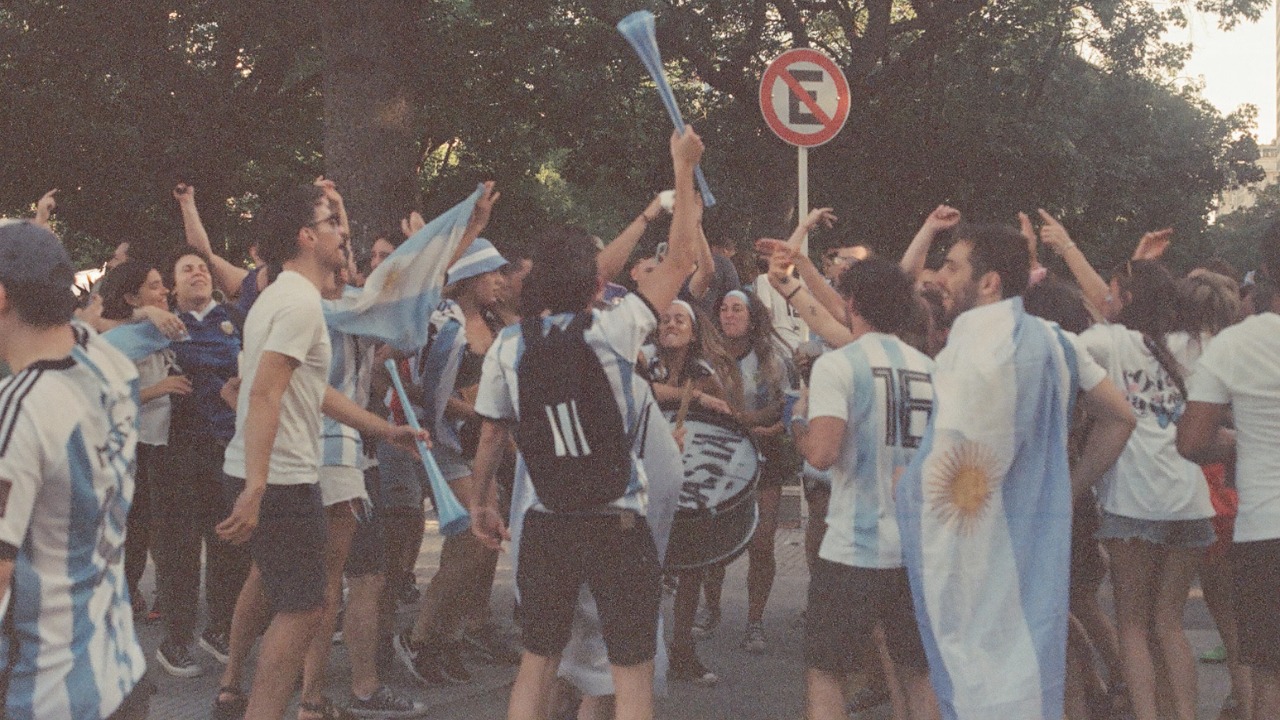
Argentina has one of the most passionate fan bases in world football. Their supporters are famous for songs, flags, drums, emotion, and incredible stadium energy. That passion is part of why Argentina matches feel so intense.
But passion does not excuse abuse. Supporting a team loudly is not the problem. Celebrating goals is not the problem. Wearing national colors, chanting, crying, singing, and living every moment of a match are part of football culture.
The problem begins when support turns into intimidation, racism, threats, or violence. A fan throwing beer at another supporter is not “passionate.” A fan using racist language is not “emotional.” A fan targeting people because of race, nationality, or ethnicity is not defending their team. They are harming the game.
This distinction matters because fan culture should not be demonized as a whole. Most supporters attend matches to enjoy football, not to abuse others. But when a section of fans crosses the line, other supporters, football authorities, and national federations should not hide behind collective pride.
Holding abusive fans accountable protects the reputation of the wider fan base.
The Wider Racism Problem at the 2026 World Cup
The allegations against Argentina supporters are part of a broader concern around racism at this World Cup. FIFPRO, the global players’ union, warned that players were facing a growing pattern of racist and discriminatory abuse during the tournament, both online and in person. According to Reuters, FIFPRO called for urgent collective action and said monitoring alone is not enough.
That is a crucial point. Tracking abuse is useful, but it does not stop abuse by itself. Football needs consequences. If fans know they can shout racist abuse and return to the next match, campaigns will feel empty.
The World Cup brings global attention, but it also brings global pressure. Players, coaches, streamers, journalists, and fans are filmed constantly. Incidents that once might have gone unnoticed in a crowd can now be captured instantly on phones and livestreams.
That visibility can help expose abuse. But exposure must be followed by accountability.
Stadium Security Has a Big Role
Stadium safety is not only about stopping pitch invasions or checking tickets. It is also about protecting fans from harassment, violence, and hate speech.
If supporters are throwing beer bottles, stadium security should intervene. If racist abuse is reported, stewards should know how to escalate it. If video evidence exists, organizers should be able to identify offenders. If fans feel unsafe, they need a clear place to report incidents without being ignored.
At a World Cup, stadium operations involve FIFA, local organizers, police, private security, venue staff, and national federations. That can make responsibility feel complicated. But for fans, the expectation is simple: they should be able to support their team without being attacked or racially abused.
The FIFA Stadium Safety and Security Regulations provide a framework for match safety, crowd control, and security responsibilities. High-profile allegations like these test whether those systems work in real time.
Why African Supporters Are Taking This Personally
For Egypt and Cape Verde supporters, these incidents are not isolated insults. They connect to a longer history of African teams and fans being underestimated, stereotyped, mocked, or treated as outsiders in global football spaces.
Cape Verde’s run was a source of enormous pride. Egypt’s performance against Argentina, even in defeat, showed that African teams can push the world’s biggest sides to the limit. When those achievements are met with alleged racism, it feels like disrespect not only toward one fan group but toward African football more broadly.
This is why the issue has emotional weight. Supporters are not only angry about beer thrown or words shouted. They are angry about what those actions represent.
Football sells itself as universal. It says the game belongs to everyone. But that promise only works if fans from all countries feel protected and respected inside the stadium.
Argentina’s Federation May Face Pressure
If evidence supports the allegations, Argentina’s football authorities could face pressure to respond publicly. National federations are often judged not only by what their teams do on the field, but also by how they react when supporters behave badly.
A strong response would not mean condemning every Argentina fan. It would mean making clear that racism and violence are unacceptable, even when committed by people wearing national colors.
Federations can help by cooperating with investigations, discouraging abusive chants, supporting stadium bans for offenders, and making public statements that separate national pride from hate.
Argentina’s team is one of the most visible in the world. That visibility comes with responsibility. When the team succeeds, millions celebrate. When fans are accused of racist abuse, the spotlight becomes uncomfortable.
The Bottom Line
Argentina’s World Cup run is now being overshadowed by serious allegations from Egypt and Cape Verde supporters, who say some Argentina fans used racist abuse and violent behavior during knockout matches. The claims include thrown beer, hostile treatment, and discriminatory abuse when African teams scored or challenged Argentina.
These remain allegations that should be investigated properly. But the issue is too serious to dismiss. FIFA is already investigating a separate alleged racist incident involving IShowSpeed at Argentina’s match against Cape Verde, and wider concerns about racism at the 2026 World Cup are growing.
The lesson is simple. Football passion is not a license for abuse. No fan should be attacked for celebrating a goal. No supporter should face racism for wearing their country’s colors. No player, coach, streamer, journalist, or fan should feel unsafe at the World Cup.
If FIFA wants its anti-racism message to mean something, allegations like these need transparent investigation, visible consequences, and stronger protection for fans in the stands. The World Cup belongs to everyone, and that promise only matters if everyone can experience it with dignity.