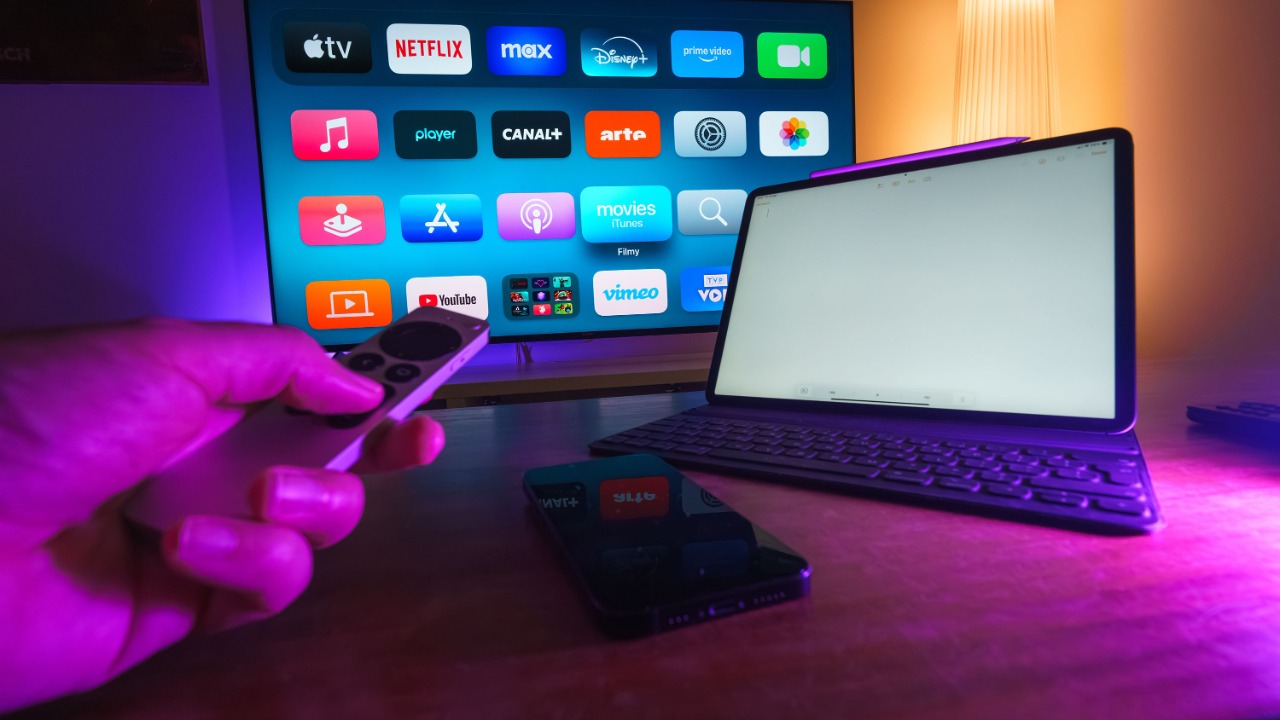

A cheap streaming box that promises free movies, free sports, premium channels, and endless entertainment can look like a smart deal. Instead of paying for several subscriptions, you plug a small device into your TV, connect it to Wi-Fi, and suddenly it appears to unlock a world of content for almost nothing.
But that “free TV” promise may come with a hidden cost far more serious than a monthly bill.
Security agencies and researchers are warning that some low-cost streaming boxes, especially off-brand Android-based devices sold online with promises of free channels, may contain malware or backdoors that quietly turn a home internet connection into a tool for criminals. Once connected to your router, the device may help hide criminal traffic behind your household IP address, making it look like suspicious activity came from your home.
The FBI has warned consumers to avoid TV streaming devices that claim to provide free sports, TV shows, and movies because they may contain malware or backdoors that hijack a home network. That warning is not about ordinary legal streaming devices from trusted brands. It is about suspicious boxes that promise too much, cost too little, and often operate outside normal app store protections.
The danger is simple. You think you are getting free entertainment. Criminals may be getting access to your internet connection.
Why Cheap Streaming Boxes Are Raising Alarms
The problem is not the idea of a streaming box itself. Popular devices from trusted companies can be safe when bought from reliable sellers and kept updated. The concern is with cheap, unfamiliar, or modified Android TV boxes that advertise “free lifetime channels,” “all sports included,” “no subscription needed,” or “fully loaded” entertainment.
Those promises should raise red flags. Licensed streaming content costs money. Live sports, premium movies, cable channels, and pay-per-view events are expensive because someone owns the rights. If a small device claims to provide everything for a one-time price, the product may rely on piracy, shady apps, or hidden services that expose users to malware.
The FBI’s warning about residential proxy networks explains that compromised internet-connected devices can be used by cybercriminals to route traffic through innocent people’s home networks. That means a criminal can make their activity appear to come from a normal household internet connection instead of from their own location.
This is valuable to criminals because residential IP addresses often look more trustworthy than obvious data center or VPN traffic. They can be used for credential stuffing, fake account creation, ad fraud, scraping, scams, cyberattacks, and hiding illegal activity.
How Your Network Can Become Part of the Scheme
A compromised streaming box may work normally on the surface. It may show channels, apps, movies, and menus, so the user may never suspect anything is wrong. But in the background, the device may be contacting remote servers, installing hidden software, or routing third-party internet traffic through the home connection.
That process can turn the box into part of a botnet or residential proxy network. A botnet is a group of infected devices controlled by attackers. A residential proxy network uses real home internet connections to disguise where traffic is coming from.
Security company Kaspersky recently warned that cheap Android TV boxes promising free subscriptions can become the backbone for cybercriminal botnets and proxy servers. The company advised users to be cautious with unknown streaming devices, remove suspicious apps, avoid shady APK downloads, and watch for unusual network traffic from media players.
The scary part is that the owner of the device may not directly see the criminal activity. The TV box may sit under the television, quietly using the internet connection while the household sleeps, works, or streams normal content.
Why Criminals Want Your Home IP Address
Your home internet connection has something criminals want: a real residential IP address. To websites, banks, retailers, social platforms, and security systems, a residential IP often looks like a normal user. That can help attackers avoid detection.
If criminals route traffic through a hacked device in your home, your IP address can appear as the source. That could be used for fake logins, scams, spam, payment fraud, fake reviews, bot traffic, scraping, cyberattacks, or attempts to bypass regional blocks.
Google’s Threat Intelligence Group has described residential proxy networks as part of a broader cybercrime ecosystem. In one recent disruption, Google said it took action against the IPIDEA proxy network, which it said was used by a wide range of bad actors.
This is why the threat is not only about the device. It is about your reputation online. If your home IP address is abused, you may face blocked websites, security checks, account lockouts, fraud alerts, or even questions from your internet provider.
You may have done nothing wrong, but your connection could still be used in something suspicious.
The BADBOX Warning
One of the most concerning names connected to this issue is BADBOX. The FBI warned in 2025 that cybercriminals were exploiting internet-connected devices such as TV streaming boxes, digital projectors, aftermarket vehicle infotainment systems, digital picture frames, and other products through the BADBOX 2.0 botnet.
The agency said criminals could gain unauthorized access to home networks through compromised devices and use them to conduct criminal activity. That warning matches what researchers have been saying for years: some cheap connected devices can arrive infected, while others become infected when users install unofficial apps or updates.
Google also took legal action against alleged operators behind the BADBOX 2.0 botnet. According to Google’s own security reporting, the operation involved millions of compromised Android Open Source Project devices, including TV boxes and other connected products, used for fraud and proxy services.
For consumers, the message is clear. A device that looks like a harmless entertainment box may actually behave like an infected computer connected directly to your home network.
Why “Free Channels” Can Be the Bait
The phrase “free channels” is one of the biggest warning signs. Many suspicious streaming boxes are sold with marketing that sounds almost too good to be true. They may promise thousands of live TV channels, premium sports packages, movie libraries, adult content, international channels, and pay-per-view events without a subscription.
That kind of offer attracts buyers because streaming costs have become frustrating. Many households now pay for multiple services, and the total cost can feel like cable all over again. A one-time payment for a box that claims to unlock everything can seem tempting.
But free access to premium content is often the bait. The user saves money upfront, while the seller or malware operator profits in other ways. They may profit from illegal subscriptions, ads, data collection, credential theft, fake traffic, or renting access to the infected device as part of a proxy network.
The Federal Trade Commission regularly warns consumers that scammers use attractive offers to trick people into giving up access, money, or information. In the streaming box world, the attractive offer is simple: free entertainment forever.
These Devices Can Look Normal
One reason this threat spreads is that the devices often look ordinary. Many are small black boxes with Android-style menus, HDMI ports, USB ports, remote controls, and familiar app icons. Some even arrive in professional-looking packaging and have hundreds or thousands of online reviews.
A buyer may assume that if a product is listed on a major online marketplace, it must be safe. That is not always true. Online marketplaces can host third-party sellers, and product listings can change quickly. A device may be sold under multiple brand names, or the same hardware may be rebranded by different sellers.
Wired previously reported on the risks of cheap Android TV streaming boxes and backdoors, noting that researchers found suspicious behavior in several low-cost devices. The broader issue is that many of these boxes run versions of Android that do not have the same protections users expect from certified Android TV devices.
A trusted streaming device usually receives official updates, has app store controls, and comes from a company with a known security process. A mystery box promising free paid channels may not have any of that.
Signs a Streaming Box May Be Risky
A device should raise concern if it promises premium channels for free, claims to have lifetime access with no subscriptions, requires sideloading unknown APK files, asks users to disable security settings, comes from an unfamiliar brand, has no clear update policy, includes strange preinstalled apps, or connects to suspicious servers.
Another warning sign is poor documentation. If the seller cannot clearly explain who makes the device, where updates come from, what apps are installed, what permissions are required, and whether it is certified by a major platform, users should be cautious.
The Google Play Protect system helps scan apps and devices for harmful behavior on supported Android devices. Many questionable boxes, however, may not use certified Google services or may encourage users to install apps outside official stores.
If a device asks you to ignore warnings, disable protections, or install apps from random links, that is not a convenience feature. It is a security risk.
What Could Happen to Your Home Network
A compromised streaming box can create several problems. It may slow down your internet by using bandwidth in the background. It may expose other devices on the network if it scans locally. It may send traffic to suspicious servers. It may participate in ad fraud or cyberattacks. It may help criminals hide their location. It may create privacy risks for the household.
The exact damage depends on the malware and the device. Some malware focuses on proxy traffic. Some performs ad fraud. Some may collect information. Some may download additional payloads. Some may attempt to spread to other devices.
The average user may only notice small clues. The internet may seem slower. The router may show unusual activity. The device may run hot. Unknown apps may appear. The box may keep using data even when no one is watching TV.
But many users will notice nothing at all. That is what makes the threat so effective.
How to Protect Yourself
The safest choice is to avoid suspicious streaming boxes that promise free paid content. Use trusted devices from known brands and buy them from reputable retailers. Legal streaming devices may cost more, but they are far less likely to turn your network into a criminal tool.
Families should also keep routers updated, use strong Wi-Fi passwords, enable network security features, and separate smart devices from personal computers when possible. Some routers allow guest networks or separate IoT networks, which can limit the damage if one device is compromised.
Users should avoid installing unknown APK files from random websites. They should not disable security protections just to make a streaming app work. They should remove apps they do not recognize and reset or replace devices that behave suspiciously.
The Cybersecurity and Infrastructure Security Agency recommends securing home networks by updating devices, using strong passwords, enabling multifactor authentication where possible, and being careful with connected technology. Those basic steps matter even more when cheap internet-connected devices are involved.
If you already own a suspicious streaming box, unplug it from the network until you can investigate. Check your router for unknown devices, review network activity if your router supports it, and consider replacing the box with a reputable streaming device.
Why Legal Streaming Is Safer
Legal streaming can be annoying because subscriptions add up. But legal services are safer because they operate through recognized apps, official stores, licensed content agreements, and more accountable companies.
A legitimate streaming device is not automatically perfect, but it is far less likely to arrive with hidden malware or require users to bypass security settings. It also receives updates and has a company users can contact when something goes wrong.
The real cost of a suspicious free-TV box may not appear on the receipt. It may show up as stolen bandwidth, compromised privacy, a blacklisted IP address, fraud risk, or exposure to criminal infrastructure.
That is a high price to pay for free channels.
The Bottom Line
Cheap streaming boxes that promise free movies, sports, and premium channels may be hiding a serious cybersecurity risk. Some of these devices can contain malware or backdoors that quietly turn a home internet connection into part of a botnet or residential proxy network.
The FBI has warned consumers to avoid TV streaming devices that claim to provide free paid content because they may hijack home networks and support cybercrime. Security researchers have also found that off-brand Android TV boxes can be used to route criminal traffic, commit fraud, and disguise attackers behind ordinary household IP addresses.
The safest move is simple. Do not trust a streaming box just because it promises endless free entertainment. Buy from reputable brands, avoid pirated content devices, keep your router updated, and never install unknown apps just to unlock “free” channels.
A cheap box under your TV should not have the power to put your home network at risk. If the deal sounds too good to be true, it may not be free at all. It may be letting someone else use your internet for crimes you never agreed to.