
For years, losing cell service meant losing contact. If you drove through a mountain road, hiked beyond tower coverage, camped in a remote area, crossed a rural highway, or lived in a place with weak mobile infrastructure, your phone could quickly become almost useless. No texts. No maps update. No quick check-in. No way to tell someone you were safe.
That is starting to change.
Starlink’s direct-to-cell satellite technology is now making it possible for compatible phones to send texts from places where normal cell towers cannot reach. Instead of requiring a traditional satellite phone, the system is designed to connect ordinary smartphones directly to satellites orbiting above Earth.
In the United States, T-Mobile’s T-Satellite with Starlink is one of the biggest examples of this shift. The service uses Starlink Direct to Cell technology to help users stay connected in outdoor areas where they can see the sky but cannot reach a regular cell tower.
That may sound like a small upgrade, but it could become one of the most important changes in mobile connectivity in years. Dead zones have always been one of the biggest weaknesses of cellular networks. Starlink’s satellite texting does not erase every limitation overnight, but it gives phones a new backup path when the ground network disappears.
Why This Is a Big Deal
Most people do not think about cell towers until there are none nearby. In cities and suburbs, coverage is usually strong enough that texting feels automatic. But large parts of the world still have weak or missing mobile coverage. Rural roads, national parks, farms, mountains, forests, deserts, coastal areas, and disaster zones can all become communication blind spots.
Traditional satellite phones have existed for years, but they are expensive, bulky, and usually separate from the device people already carry. Starlink’s direct-to-cell approach is different because it aims to work with standard smartphones. The idea is simple: when your phone cannot find a normal tower, it can connect to a satellite instead.
SpaceX explains on its Starlink Direct to Cell page that the service is designed to provide connectivity directly to mobile phones, helping eliminate mobile dead zones. The satellites act like cell towers in space, using compatible mobile spectrum through carrier partnerships.
That is the real breakthrough. Your phone does not need to become a satellite phone. The satellite becomes another type of cell tower.
How Starlink Satellite Texting Works
Normal phones connect to nearby towers on the ground. Those towers send and receive signals through cellular networks. But if there is no tower close enough, or if mountains, distance, storms, or disaster damage block service, the phone loses coverage.
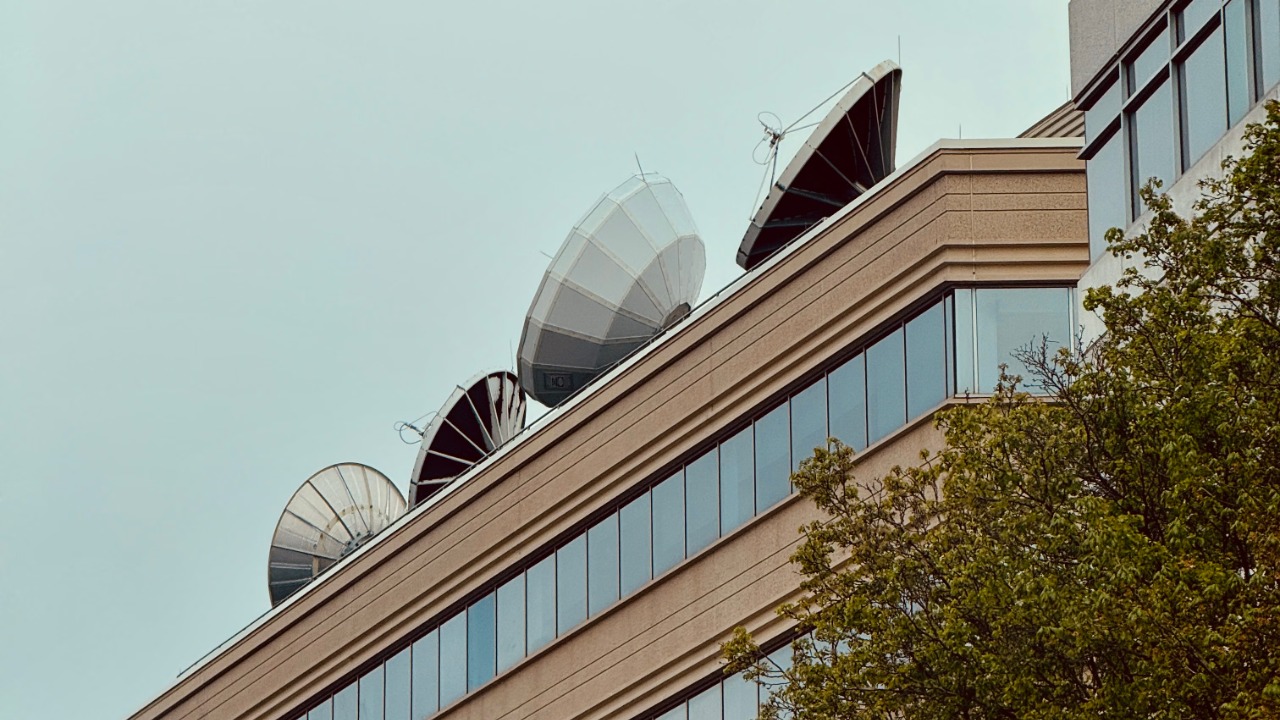
Starlink Direct to Cell changes the path. Instead of connecting only to ground towers, compatible phones can connect to Starlink satellites in low Earth orbit. These satellites move high above Earth and can provide coverage across wide areas where building towers may be difficult or uneconomical.
The phone still needs the right carrier support, compatible software, and a clear view of the sky. This is not the same as full-speed 5G everywhere. Satellite connectivity has limits, especially because the phone’s tiny antenna is communicating with a fast-moving satellite far above the planet.
But for basic messaging, the system can be enough. A short text saying “I’m okay,” “I need help,” “I’m delayed,” or “I’m at this location” can matter enormously when someone is outside regular coverage.
T-Mobile’s satellite support page explains that the Starlink-powered service is meant for remote areas where tower signals cannot reach. It is designed to connect automatically in many cases when a user is outside normal coverage and has an open view of the sky.
It Is Not Full Mobile Internet Yet
The most important thing to understand is that satellite texting is not the same as normal mobile data. Users should not expect the same experience they get on a strong 5G connection. Streaming video, scrolling social feeds, downloading large files, gaming, and browsing-heavy websites are still very different tasks from sending a text.
At this stage, the biggest promise is basic communication in dead zones. Text messaging is the foundation. Some services are also expanding into limited app support, location sharing, images, and lightweight data features, but the experience is still more limited than regular cellular coverage.
According to Reuters, T-Mobile expanded its satellite-based network to support apps such as WhatsApp, Google Maps, X, AccuWeather, AllTrails, and other limited services in mobile dead zones. That shows where the technology is heading, but it also shows that satellite phone connectivity is being rolled out step by step.
For now, the most realistic expectation is this: when you are outside tower coverage, your phone may still be able to send important messages through Starlink satellites. That alone is a major improvement.
Why This Matters for Emergencies
The biggest benefit of satellite texting is emergency communication. If someone is injured on a trail, stranded on a rural road, caught in bad weather, or separated from a group, the ability to send even one message can make a huge difference.
Dead zones are not just inconvenient. They can be dangerous. A driver with a flat tire, a hiker with a broken ankle, a family stuck after a storm, or a worker in a remote area may need help when no cell towers are nearby.
Satellite messaging gives people another chance to reach someone. It can also help during natural disasters when ground towers are damaged or overloaded. Hurricanes, wildfires, earthquakes, floods, and severe storms can disrupt normal networks. Satellites can sometimes provide a backup layer when ground infrastructure is unavailable.
The Federal Communications Commission approved SpaceX to provide direct-to-cellular service with T-Mobile, marking a major regulatory step for supplemental coverage from space. This kind of approval matters because satellite-to-phone service requires careful coordination with spectrum rules, wireless carriers, and interference protections.
For consumers, the technical details may be invisible. What matters is that a phone may no longer become completely silent the moment it leaves tower coverage.
Why Rural Areas Could Benefit Most
People in rural areas know the frustration of weak mobile coverage better than anyone. A phone may work near town but drop out a few miles away. Roads may have long stretches with no signal. Farms, ranches, forests, lakes, and mountain communities may all have coverage gaps.
Building traditional towers everywhere is expensive and sometimes impractical. Towers need land, power, backhaul connections, permits, maintenance, and enough nearby customers to justify the cost. In very remote areas, that business model often does not work well.
Satellites solve part of that problem by covering large geographic areas from space. They do not replace towers in dense cities, where capacity and speed matter most. But they can help fill gaps where towers are missing.
That is why direct-to-cell technology may become especially important for rural drivers, outdoor workers, farmers, hunters, hikers, emergency responders, field technicians, and travelers. It gives the existing smartphone a backup connection in places where traditional networks struggle.
Your Phone Still Needs Compatibility
Not every phone will automatically work with every satellite texting service. Compatibility depends on the device, carrier, software, region, and plan. Some newer phones may be supported first, while older models may not work or may need updates.
T-Mobile says its T-Satellite service works with many modern smartphones, and its eligible devices support page provides details on supported models and requirements. Users should check their carrier’s official information rather than assuming their phone is ready.
This is important because there is a lot of confusion around Starlink phone service. Starlink is not selling a special “Starlink phone” for this feature. It is a satellite-to-mobile service designed to work through carrier partnerships and compatible smartphones.
That means users should be careful with online claims, fake ads, or products suggesting they need to buy a special Starlink smartphone. In most cases, the service is tied to carriers and supported devices, not a separate branded phone.
The Role of Carrier Partnerships
Starlink’s direct-to-cell system depends heavily on wireless carrier partnerships. Satellites need to communicate using mobile spectrum that phones already understand. This is why companies like T-Mobile, and carriers in other countries, are central to the rollout.
In Australia, Telstra has also tested satellite-to-mobile texting with Starlink Direct to Cell technology. In the United Kingdom, Virgin Media O2 launched a Starlink-powered satellite-to-mobile service aimed at improving coverage in remote areas.
These partnerships show that satellite texting is not only a U.S. story. Mobile carriers around the world are looking at satellite coverage as a way to reduce dead zones without building towers in every difficult location.
This also means the experience may vary by country. Availability, supported phones, pricing, apps, emergency features, and coverage areas may differ depending on the carrier and local regulations.
What Users Should Expect in a Dead Zone
A user should not expect satellite messaging to feel exactly like regular texting on a strong cell connection. Messages may take longer to send. The phone may need a clear view of the sky. Trees, buildings, mountains, tunnels, and indoor spaces can affect the connection. The service may work better outdoors than inside a vehicle or building.
The phone may also show a special satellite connection mode, depending on the carrier and device. In many cases, the process is designed to be automatic, but users may still need patience. Satellite connections are more sensitive than normal tower connections because the signal path is much longer and the satellites are moving quickly overhead.
Still, the practical benefit is clear. A slower text is better than no text. A limited connection is better than silence. A simple message can be enough to let someone know where you are and what you need.
How This Compares With Apple’s Emergency SOS by Satellite
Apple helped make satellite phone features more familiar with Emergency SOS via satellite on recent iPhone models. That system allows users to contact emergency services when cellular and Wi-Fi coverage are unavailable, and Apple also supports certain satellite-based location and messaging features in supported regions.
Starlink direct-to-cell is different because it is designed around carrier-based cellular connectivity from satellites. Instead of being only a specialized emergency feature, it can support broader messaging and eventually more app-based functions through participating mobile networks.
Apple’s Emergency SOS via satellite remains important because it is built directly into iPhone emergency workflows. Starlink-powered carrier services are important because they may expand satellite connectivity to more everyday communication uses across many phone brands.
The future may include both approaches. Phones may use built-in satellite emergency tools, carrier satellite messaging, and limited satellite data features depending on the device, location, and network.
Why This Could Change the Smartphone Market
Once people get used to satellite backup, they may begin to expect it. A few years ago, satellite texting sounded like a premium emergency feature. Now it is becoming part of mainstream mobile coverage.
That could change how people compare phone plans. Instead of only asking about 5G speed, hotspot data, and streaming perks, customers may start asking whether a carrier can keep them connected in dead zones.
It could also push phone makers to improve satellite compatibility. Modems, antennas, software, and battery management may all evolve as satellite-to-phone features become more common. Companies like MediaTek are already working on satellite-capable mobile technology, and MediaTek has demonstrated emergency satellite services for mobile devices using Starlink Mobile.
This is how a niche feature becomes normal. First it works for basic texts. Then it supports more apps. Then more phones and plans include it. Eventually, users may see satellite backup as a standard part of mobile service.
The Limits Still Matter
Even with all the excitement, satellite texting is not magic. It does not guarantee perfect coverage everywhere. It may not work indoors. It may struggle under dense tree cover. It may be slower than regular service. It may support only certain functions. It may require a compatible phone and plan. It may not be available in every country.
Users should also avoid relying on satellite texting as their only safety plan. Anyone traveling into remote areas should still prepare properly, share their route, carry backup power, bring navigation tools, and understand local risks. In truly remote or high-risk environments, dedicated emergency beacons or satellite messengers may still be appropriate.
The best way to think about Starlink satellite texting is as a powerful backup layer. It improves the odds of staying connected, but it does not remove the need for good planning.
The Bottom Line
Starlink’s direct-to-cell technology is turning ordinary smartphones into devices that can send texts from places where cell towers do not reach. Through services like T-Mobile’s T-Satellite with Starlink, compatible phones can connect to satellites in low Earth orbit and send messages from outdoor dead zones with a clear view of the sky.
This is not full-speed mobile internet everywhere, and it is not a replacement for normal cellular networks. But it is a major step toward ending the most frustrating and dangerous dead zones, especially in rural areas, remote roads, outdoor recreation zones, and emergency situations.
The biggest change is psychological as much as technical. For decades, no bars meant no connection. Now, no bars may no longer mean no way to reach someone.
Satellite texting through Starlink could become one of the most useful upgrades modern phones have received in years, not because it makes phones more entertaining, but because it makes them more dependable when people need them most.