
Baby swings are often bought with one goal in mind: helping tired parents calm a fussy baby. When used properly and under supervision, a swing can give caregivers a few hands-free moments while an infant is awake, settled, and safely watched.
But a recent recall is reminding families that baby swings must never be treated as safe sleep spaces. Certain Vevor baby swings were recalled because they were marketed for infant sleep and had an incline angle greater than 10 degrees, creating a suffocation hazard and violating federal infant sleep safety rules.
According to the official U.S. Consumer Product Safety Commission recall notice, Sanven Technology recalled Vevor baby swings due to the risk of serious injury from suffocation. The CPSC said the swings violated the mandatory standard for infant sleep products and the federal ban on inclined sleepers.
The recall is serious because infant sleep safety is not just a matter of product preference. Babies have limited head and neck control, and sleeping in an inclined position can make it harder for them to breathe. Even a product that looks soft, cozy, and convenient can become dangerous if a baby falls asleep in it.
What Was Recalled
The recall involved Vevor baby swings sold online through Vevor.com and Amazon.com from January 2025 through August 2025. The products were sold for about $65 to $80, according to the CPSC recall notice.
The recalled swings were marketed for infant sleep, but the CPSC said they had an incline angle greater than 10 degrees. That is the key safety issue. Under federal safety rules, infant sleep products must meet strict requirements, including limits on incline, because babies can suffocate when placed to sleep on an angled surface.
Consumers were told to immediately stop using the recalled swings and contact Sanven Technology for a full refund. The company’s recall instructions require consumers to remove the swing cover, cut it in half, send a photo of the destroyed cover, write “Recalled” on the swing’s base with permanent marker, and then dispose of the swing according to local and state laws.
No incidents or injuries had been reported at the time of the recall, but the absence of reported injuries does not mean the product is safe. Recalls are often issued to prevent injuries before they happen, especially when infants are involved.
Why Inclined Sleep Products Are Dangerous
The danger comes from the way babies breathe and move. Young infants do not have the same strength or motor control as older children. If a baby’s head tips forward, turns to the side, or presses into soft fabric, the airway can become restricted. An infant may not be able to reposition their head or body enough to fix the problem.
That is why products with an incline greater than 10 degrees are a major concern when they are marketed or used for sleep. A baby may look peaceful in a swing, rocker, lounger, or inclined seat, but the position can silently increase the risk of suffocation.
The American Academy of Pediatrics recommends that babies sleep on their backs on a firm, flat, non-inclined sleep surface with no soft bedding. That means no pillows, blankets, loose sheets, padded bumpers, stuffed toys, or sleep positioners in the sleep area.
This guidance may sound strict, but it exists because unsafe sleep environments have been linked to preventable infant deaths. A product can feel comfortable to an adult and still be unsafe for a baby’s sleep.
The Federal Sleep Standard Behind the Recall
The recall also matters because it connects to a broader federal safety effort. The Safe Sleep for Babies Act bans inclined sleepers for infants and crib bumpers. The law was passed after years of concern about infant deaths linked to inclined sleep products.
The CPSC’s infant sleep product rule requires sleep products to provide a safe sleep surface. Products intended or marketed for infant sleep must meet federal standards, including the requirement that sleep surfaces not exceed a 10-degree incline.
That is why the recalled Vevor swings were a problem. They were marketed for sleep but did not meet the required safety standard. A baby swing may be allowed as an awake-time soothing product, but once it is promoted or used as a sleeping place, it enters a much more serious safety category.
The CPSC infant sleep product rule was created to help remove unsafe sleep products from the market and reduce confusion for parents. The goal is simple: if a product is for infant sleep, it must provide a firm, flat, safe sleep surface.
Why Parents May Misuse Baby Swings for Sleep
Many parents do not intentionally put babies in danger. In real life, babies often fall asleep in swings, car seats, bouncers, and rockers because motion can be soothing. A tired parent may see a sleeping baby and hesitate to move them, especially if the baby has been crying for a long time.
That is understandable, but it can still be risky. A swing is not a crib, bassinet, or play yard. If a baby falls asleep in a swing, the safest step is to move the baby to a firm, flat sleep surface as soon as possible.
The problem becomes even worse when a product is advertised in a way that suggests sleep use is normal or safe. If a swing is marketed for naps or overnight sleep, parents may reasonably assume it has been tested and approved for that purpose. That is why federal standards place responsibility on manufacturers and sellers, not just caregivers.
A recall like this is not only about one product. It is also about the message parents receive from packaging, online listings, product photos, and marketing language.
What Families Should Do Now
Families who own the recalled Vevor baby swing should stop using it immediately. They should not use it for sleep, awake time, travel, or temporary soothing. The CPSC’s instruction is clear: stop using the product and contact Sanven Technology for a refund through the process described in the recall notice.
Parents should also check whether the product was purchased through Amazon, Vevor.com, or a third-party seller during the sale period listed in the recall. Online baby products can remain in homes long after listings change or disappear, so families should not assume they are safe just because the product is no longer being sold.
It is also worth checking secondhand items. Baby swings are often passed between relatives, sold on resale platforms, or stored for future children. A recalled product can continue circulating for years if people do not destroy or return it.
The CPSC recall database is a useful place for parents to search baby products, toys, furniture, appliances, and other household items. Families can also sign up for recall alerts to stay informed when safety notices are issued.
Safe Sleep Rules Still Matter
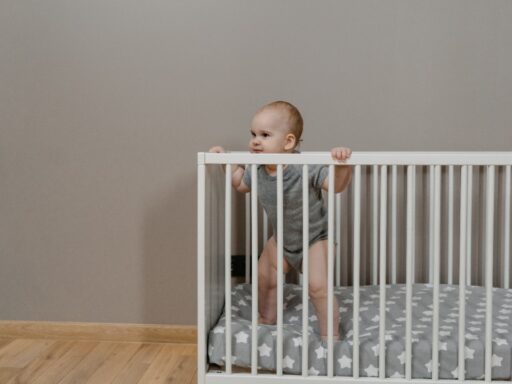
The safest sleep environment for a baby is simple but specific. The baby should be placed on their back on a firm, flat surface designed for infant sleep. The sleep space should be free of soft objects, loose bedding, pillows, blankets, and stuffed toys.
The CDC’s safe sleep guidance also emphasizes placing babies on their backs for every sleep, using a firm and flat sleep surface, and keeping soft bedding out of the sleep area. These recommendations are designed to reduce the risk of sudden unexpected infant death, including suffocation.
Parents should also avoid letting babies sleep in sitting devices such as swings, car seats, strollers, slings, and infant carriers unless they are being used as directed for travel or supervised awake use. If a baby falls asleep in one of these products, the baby should be moved to a safe sleep surface as soon as practical.
This does not mean parents can never use baby swings. It means swings should be used only as directed, only while the baby is awake, and only under supervision. They should not be used as a replacement for a crib, bassinet, or play yard.
The Bigger Problem With Online Baby Products
This recall also highlights a growing concern with baby products sold online. Parents often shop through marketplaces where listings can appear professional, affordable, and reassuring. But not every product is equally tested, compliant, or accurately marketed.
Some products may use sleep-related language even when they do not meet infant sleep standards. Others may appear under different brand names, disappear from listings, or be sold by companies that are difficult for consumers to identify. That makes it harder for parents to know which products are truly safe.
This is why official recall pages matter. Social media posts and product reviews may not mention safety violations. A product can have high ratings and still fail federal safety requirements.
The CPSC is the main federal agency responsible for protecting consumers from unreasonable risks of injury or death associated with consumer products. When it issues a recall involving an infant product, parents should take the warning seriously even if the product looks new or has never caused a problem in their home.
Why “No Injuries Reported” Does Not Mean No Risk
Some recall notices say no injuries have been reported, and that can make people wonder whether the recall is urgent. With infant sleep products, the answer is yes. The risk is serious even before injuries occur.
Infant suffocation can happen quietly and quickly. A baby may not cry or struggle in a way that alerts a caregiver. Because the consequences can be fatal, regulators do not wait for a long list of incidents when a product violates a core safety standard.
A swing that is marketed for sleep while using an unsafe incline creates a predictable hazard. The recall is meant to remove that hazard before a tragedy occurs.
Parents should also remember that incident reports do not always capture every unsafe event. Some near-misses are never reported. Some families may not realize a product was involved. Some products may still be in circulation even after listings stop.
What This Means for Caregivers
For caregivers, the main lesson is not to panic about every baby product. The main lesson is to separate soothing from sleeping. A swing may soothe an awake baby, but it should not become a sleep space.
Caregivers should read product instructions carefully and be skeptical of any baby product that suggests inclined sleep, cozy sleep, nap use, or overnight use outside a crib-like flat surface. Words like “soothing,” “resting,” and “lounging” can sound harmless, but parents should focus on whether the product is actually approved for sleep.
If there is doubt, the safer choice is always a firm, flat, approved infant sleep surface.
Families should also talk with grandparents, babysitters, daycare providers, and relatives. Sometimes unsafe sleep happens because another caregiver uses an old habit or assumes a sleeping baby should not be moved. Everyone caring for the baby should understand the same rule: if the baby falls asleep in a swing, move the baby to a safe sleep surface.
The Bottom Line
The Vevor baby swing recall is a reminder that infant sleep safety standards exist for a reason. The recalled swings were marketed for infant sleep and had an incline angle greater than 10 degrees, which created a suffocation hazard and violated federal safety requirements for infant sleep products.
Consumers should stop using the recalled swings immediately and follow the CPSC’s refund instructions through Sanven Technology. Even though no injuries had been reported at the time of the recall, the risk is serious enough to require action.
For parents, the safest message is clear. Baby swings are not sleep spaces. If a baby needs to sleep, place them on their back on a firm, flat, non-inclined surface designed for infant sleep. Keep the sleep area clear, avoid soft bedding, and check recalls regularly.
A baby product may look comfortable, but safe sleep is not about softness or convenience. It is about protecting a baby’s airway, reducing suffocation risk, and making sure every sleep happens in the safest place possible.