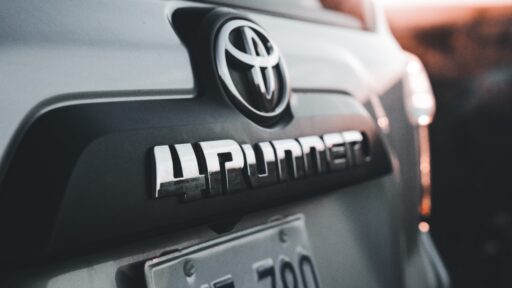
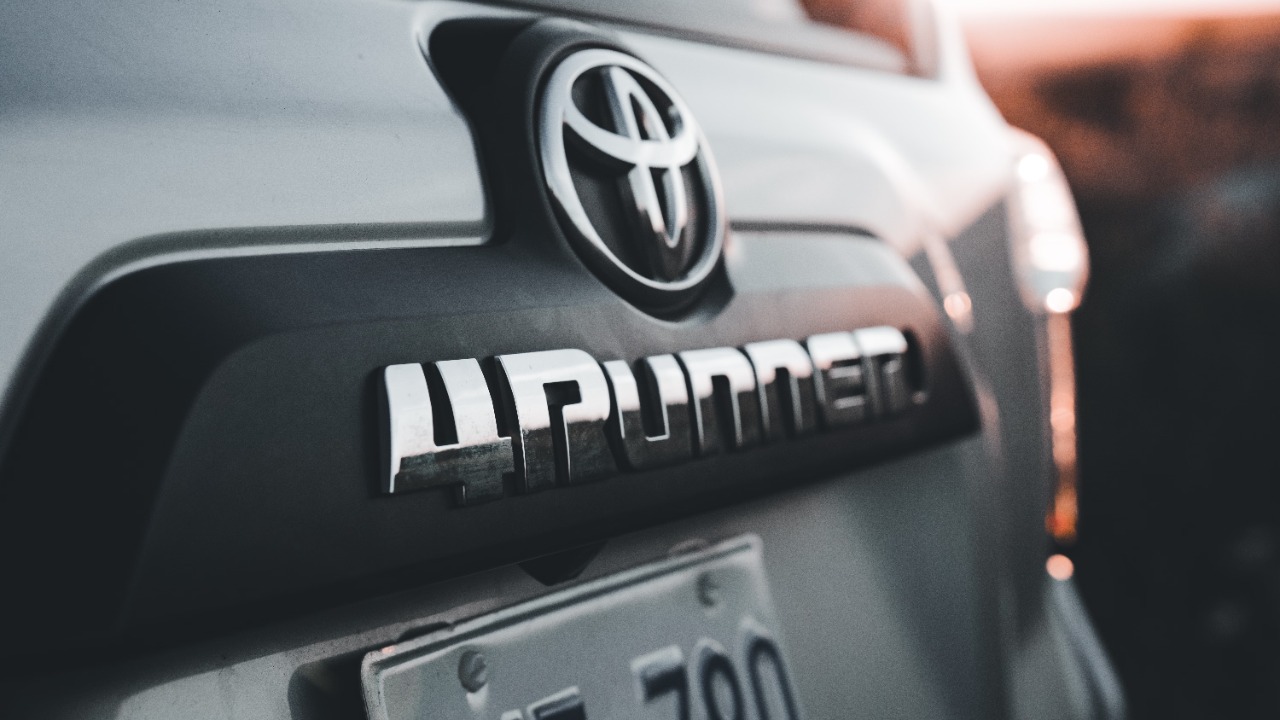

Toyota’s 4Runner has long had a reputation as a tough, old-school SUV. New longevity data now turns that reputation into a measurable edge, ranking the 4Runner at the top of a fresh list that looks specifically at which vehicles are most likely to reach 250,000 miles.
For shoppers trying to stretch every dollar, and for owners debating whether to keep or replace an aging truck, the odds of hitting a quarter-million miles are no longer just folklore from online forums. They are becoming a key data point that separates models built for the long haul from those that are more disposable.
How the 4Runner climbed to the top of the 250,000‑mile rankings
The latest rankings of long-lasting vehicles draw on registration and odometer data to see which models actually stay on the road after the 200,000‑mile mark. In that analysis, the Toyota 4Runner emerges as the sport utility vehicle with the highest statistical chance of reaching 250,000 miles, ahead of a field dominated by body-on-frame trucks and SUVs. One breakdown of the data singles out the 4Runner as the SUV with the best probability of hitting that threshold, placing it at the head of a list that also includes the Toyota Sequoia, Toyota Tacoma and Toyota Tundra, along with a handful of full-size domestic pickups, according to longevity rankings.
Across multiple compilations of the same underlying study, Toyota models occupy a disproportionate share of the top spots. A separate summary of the longest-lasting cars, trucks, SUVs and hybrids notes that the 4Runner is part of a group of vehicles that are significantly more likely than average to pass 250,000 miles, alongside the Toyota Highlander Hybrid, Toyota Prius and several Lexus SUVs, as detailed in a list of 250,000‑mile standouts. The repeated appearance of the same nameplates across different cuts of the data suggests that the 4Runner’s showing is not a statistical fluke tied to one model year or region.
Analysts looking at the dataset highlight that the vehicles with the best odds of extreme mileage tend to share a few traits. They are often built on truck-style frames, use relatively simple and proven engines, and avoid rapid redesign cycles that introduce untested components. The 4Runner fits that pattern. It has stuck with a traditional ladder frame, a naturally aspirated V6 and a five-speed automatic transmission across a long model run, rather than chasing every new powertrain or software feature. That mechanical conservatism, combined with high production volumes and global parts availability, helps explain why it appears so frequently in lists of vehicles that can realistically be expected to run for 250,000 miles or more, a point echoed in a broader look at high‑mileage vehicles.
Other long-lived models help put the 4Runner’s performance into context. Rankings of the longest-lasting vehicles regularly feature the Toyota Land Cruiser, Toyota Sequoia, Chevrolet Suburban, GMC Yukon XL and several heavy-duty pickups. In those lists, the 4Runner sits among larger, more expensive SUVs that often serve as workhorses or tow rigs. Its presence alongside those heavier trucks, as summarized in a guide to longest‑lasting cars, highlights how unusual it is for a midsize SUV to match the durability typically associated with full-size platforms.
Why 250,000‑mile odds matter for buyers, owners and the industry
For many households, a vehicle is the second-largest purchase after a home. The probability that a truck or SUV will survive to 250,000 miles, and do so without ruinous repair bills, directly affects the total cost of ownership. The recent analysis of long-lived vehicles points out that models with strong 250,000‑mile showings tend to deliver better long-term value because their purchase price is spread over more years and more miles. That value proposition is particularly attractive in a market where new-vehicle prices and interest rates have climbed, and where buyers are keeping cars longer than they did a decade ago.
Insurance and resale dynamics also tie into these longevity numbers. Vehicles that are known to last, and that appear high on lists of long-running models, often retain more of their value as they age. A summary of the longest-lasting cars, trucks and SUVs notes that used examples of models such as the 4Runner, Toyota Tacoma and Honda Ridgeline command higher prices than similarly sized rivals with weaker durability records, reflecting buyer willingness to pay a premium for proven longevity, as outlined in a breakdown of high‑mileage trucks and. That premium can offset some of the upfront cost of buying a new 4Runner, since owners can reasonably expect stronger resale values later.
There is also a practical side that goes beyond spreadsheets. Many of the vehicles that dominate the 250,000‑mile lists are used for demanding roles. The Toyota 4Runner and its peers frequently serve as daily drivers that also handle camping trips, off-road excursions, snow duty and towing. The same data that elevates the 4Runner to the top of the SUV rankings shows that full-size pickups and truck-based SUVs are heavily represented among vehicles with the highest share of quarter‑million‑mile survivors. That pattern, described in a survey of vehicles likely to, suggests that buyers who need a single vehicle to cover family and work roles are gravitating toward platforms that can absorb abuse over many years.
For automakers, the 4Runner’s performance in these rankings sends a clear signal about what some customers value. While the broader market moves toward crossovers with unibody construction, turbocharged small engines and complex hybrid systems, there remains a segment of buyers that prioritizes durability and simplicity over the latest technology. Toyota’s success with the 4Runner, Sequoia and Tacoma shows that there is still commercial upside in engineering for longevity, even if that means carrying over older drivetrains and chassis designs longer than the industry norm.
How the 4Runner’s longevity edge could shape its future and its rivals’ plans
The 4Runner’s status at the top of the 250,000‑mile odds list arrives at a moment when the model itself is in transition. Toyota is preparing a new generation that will need to balance tougher emissions and efficiency standards with the expectations of a customer base that has come to see the 4Runner as a near-indestructible tool. The company’s engineers face a delicate task. They must modernize the powertrain and cabin technology without undermining the durability that current data credits for the SUV’s exceptional high‑mileage performance.
Competitors are watching closely. As more rankings of long-lasting vehicles circulate, and as buyers grow more aware of which models truly last, rival brands may feel pressure to adjust their strategies. Some may lean into extended powertrain warranties or maintenance plans to counter Toyota’s reputation, while others might reconsider frequent platform changes that reset durability learning curves. The current lists of long-lived vehicles, which consistently highlight the 4Runner and several other Toyotas, give the company a marketing advantage that is difficult to match quickly.
At the same time, the data behind these rankings will likely become more granular. Analysts already differentiate between vehicle types, such as hybrids, trucks and SUVs, when identifying the models most likely to reach extreme mileage. One breakdown of the longest-lasting hybrids, for instance, puts the Toyota Prius and Toyota Highlander Hybrid among the top performers in that category, alongside the 4Runner’s strong showing among traditional SUVs, as detailed in a report on hybrid and SUV. As connected car data and telematics expand, future studies may be able to distinguish not just which vehicles reach 250,000 miles, but how they are driven and maintained along the way.
For current and prospective 4Runner owners, the takeaway is straightforward. The odds of reaching a quarter‑million miles are higher than for most other SUVs, but those odds still depend on regular maintenance, timely repairs and sensible use. The same study that elevates the 4Runner also shows that even the most durable models can be shortened by neglect or abuse. Owners who follow factory service schedules, address small problems early and avoid excessive towing or overloading are best positioned to realize the high‑mileage potential that the data suggests.