
The group stage of the 2026 World Cup ended with the kind of chaos tournaments dream about: late winners, heavyweight stumbles, and entire cities turning into improvised fan zones. Less than a day later, the knockout bracket is locked in, and the Round of 16 is about to turn that emotional surge into elimination stakes.
After a day of upsets, last-gasp goals, and a reminder of how global this tournament has become, the focus now shifts from survival to ambition. Every remaining side has already written a story; from here, each match either builds a legacy or closes a chapter.
How a wild final group day reshaped the Round of 16 picture
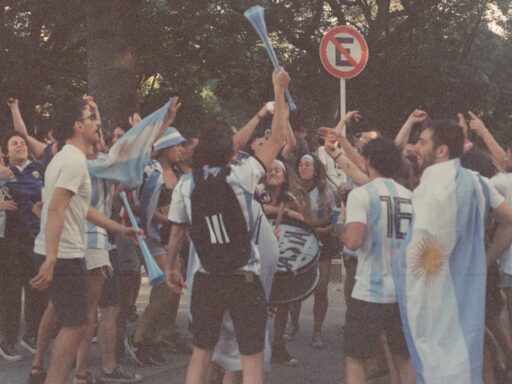
The final slate of group matches produced a series of results that scrambled expectations and redrew the bracket in real time. One of the defining images came from Mexico City, where thousands of fans packed plazas and streets to follow the national team’s decisive match. According to local reports, central neighborhoods turned into continuous watch parties, with traffic diverted and businesses adjusting hours so staff could follow the game, as Mexico City fans built a carnival atmosphere around every screen.
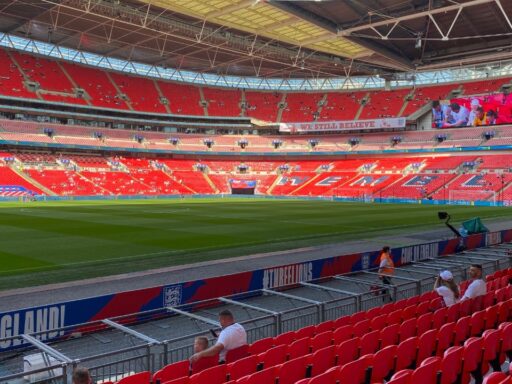
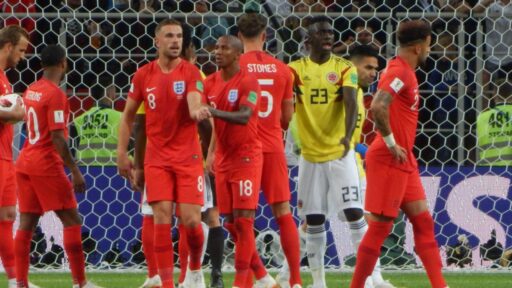
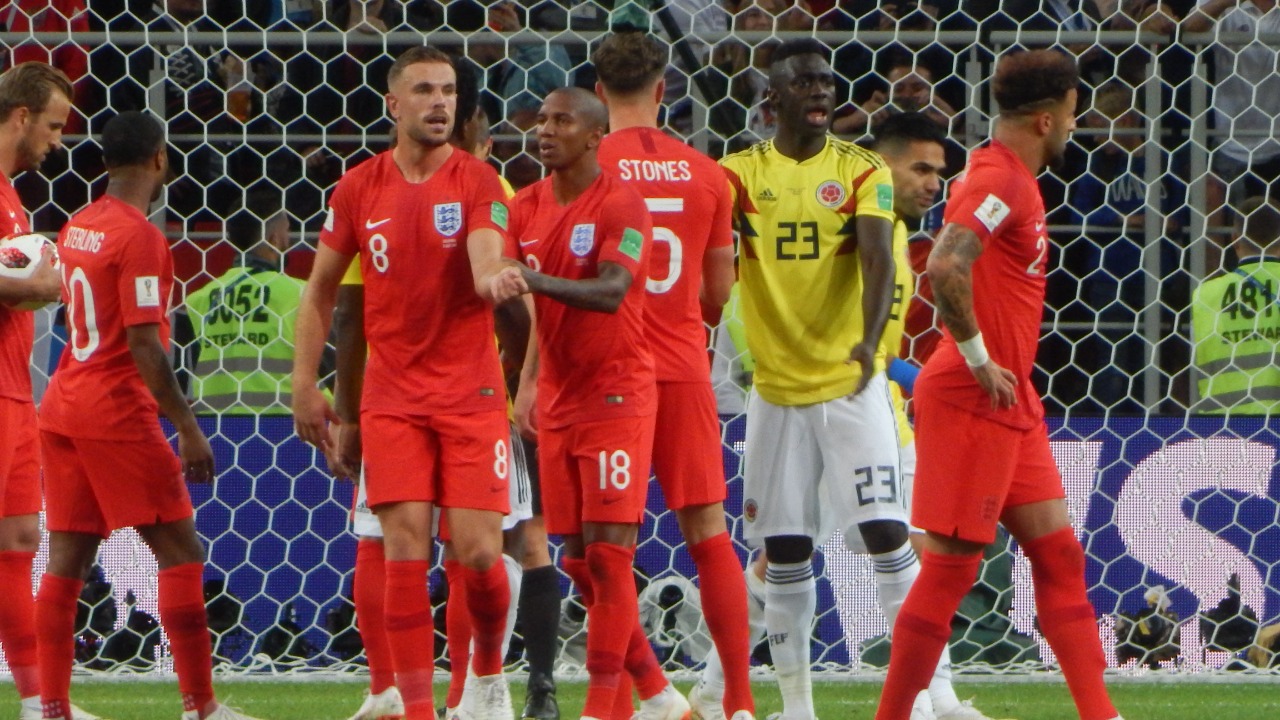
On the field, the drama was just as intense. A marquee storyline involved England, who navigated a tricky group that included Congo. The meeting between the two sides was framed as a test of England’s ability to break down a disciplined opponent and of Congo’s capacity to handle a high-pressure stage. Coverage of the match detailed how the European side leaned on a possession-heavy approach while Congo relied on quick transitions, with the result shaping not only who topped the group but also which side avoided a tougher Round of 16 opponent, as seen in the England versus Congo group clash.
The most seismic jolt, however, came from Paraguay. In one of the tournament’s biggest shocks, Paraguay eliminated Germany in a match defined by compact defending and ruthless counterattacks. Reports from that game describe a German side that controlled long stretches of possession but repeatedly ran into a Paraguayan back line that refused to break, before a late goal sealed a famous win for Paraguay over Germany. That single result flipped the bracket, removing a traditional contender and opening a clearer path on one half of the draw.
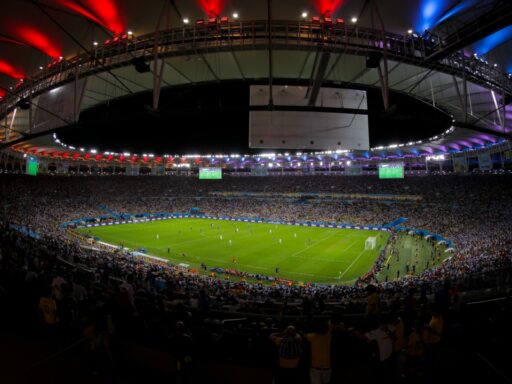
Across the wider tournament, the final group day featured a mix of high-scoring shootouts and nervy stalemates. A global roundup highlighted how several favorites needed late interventions from star forwards to secure qualification, while others were left scoreboard-watching in the closing minutes. The same coverage also noted how smaller nations, buoyed by passionate traveling support and large expatriate communities in host cities, pushed matches deep into stoppage time, as captured in a broader look at the World Cup’s dramatic.
Why the Round of 16 carries extra weight after such a “magical” day
The sense of magic around the final group matches changes how the Round of 16 feels, both for teams and for supporters. Upsets like Paraguay’s win over Germany do more than alter the bracket. They reinforce the idea that tactical clarity and belief can tilt the balance against more resourced programs. For neutral fans, that shock result injects real suspense into every knockout pairing, since any favorite can now be imagined on the wrong end of a similar storyline.
For traditional powers that survived a tense group phase, the first knockout match becomes a referendum on whether shaky performances were a blip or a warning. Sides that needed late goals to advance now face opponents who arrive with momentum and a sense that they are playing with house money. The pressure dynamic shifts: giants carry expectation, while underdogs carry the energy of surprise. Analysts have pointed out that this psychological split often shows in the opening 20 minutes of Round of 16 matches, when the favorite either asserts control or reveals lingering nerves.
The atmosphere in host cities adds another layer. In Mexico City, the scenes of spontaneous celebrations and cross-generational watch parties underline how the World Cup has blended into daily life. When entire neighborhoods pause to watch a match and then spill into the streets afterward, the transition from group stage to knockouts becomes more than a scheduling milestone. It is a civic event that shapes how people remember a particular summer. That collective emotion feeds back to the teams, especially when players see videos of packed plazas and hear from relatives about what each goal meant back home.
There is also a tactical reason this Round of 16 feels especially charged. The final group day exposed vulnerabilities in several high-profile teams: fullbacks isolated in transition, midfields that struggle against aggressive pressing, and attacks that rely too heavily on one star. Opponents now have fresh, detailed film that highlights where to press and where to sit off. Coaches who adapt quickly can flip those lessons into knockout advantages, while those who double down on systems that looked fragile risk early exits.
For emerging nations, reaching the last sixteen after such an emotionally rich group phase validates long-term investments in youth development and domestic leagues. Paraguay’s defensive discipline against Germany, for example, reflects years of work on compact shapes and quick outlets that can translate to club football and future tournaments. Congo’s performance against England, even if it ended in defeat or a narrow result, offers a template for how African teams can match up with possession-heavy European sides through athleticism and organization.
Key tactical and emotional storylines to watch as the knockouts begin
As the Round of 16 kicks off, several threads from the group stage will shape how matches unfold. One is the question of whether attacking football can survive knockout tension. The final group matches featured teams throwing numbers forward in search of goals, partly because goal difference and head-to-head records demanded it. In the knockouts, coaches tend to revert to caution, but the confidence gained by sides that scored freely may encourage a more open approach than in past tournaments.
Another storyline involves how fan energy translates from sprawling city celebrations into stadium pressure. In Mexico City, the scenes of packed plazas suggest that any match involving the national team will carry an emotional weight that goes beyond the stands. Players often speak about feeling that support as an extra push in the final minutes, which can be decisive in tight knockout games that hinge on a single set piece or counterattack.
The tactical chess between established powers and upstarts will also be central. Teams that dominated possession in the group stage now face opponents that are comfortable without the ball, as Paraguay showed against Germany. Expect more matches where a favorite records a high pass count but struggles to generate clear chances, while the underdog waits for one or two moments to break. The margin for error is tiny. A single lapse at a defensive corner or a misjudged high line can undo ninety minutes of control.
Squad management becomes more complicated as well. Coaches must balance the need to ride in-form players against the risk of fatigue from a compressed schedule. The final group day already forced several managers to keep key starters on the pitch longer than planned to chase late goals. Those extra minutes can show up in the Round of 16, especially for teams that rely on intense pressing. Rotations in fullback and midfield positions could decide who still has legs in the final quarter-hour.
Emotionally, the knockouts demand a reset. Teams that delivered heroic group-stage comebacks must avoid treating that as an endpoint. Staff psychologists and veteran leaders often play a quiet but vital role here, shifting the message from celebration to opportunity. That is particularly relevant for sides like Paraguay and Congo, whose players have already experienced career-defining nights. The challenge now is to treat the Round of 16 not as a bonus, but as a stage where they belong.