
Health officials are tracking a widening salmonella outbreak tied to a popular herbal product, with 119 people now reported sick across 36 states. The illnesses have been linked to a contaminated moringa-leaf supplement, turning a niche wellness staple into the focus of a nationwide food safety investigation. The growing case count is pressuring regulators, retailers, and supplement makers to confront long-standing gaps in oversight of plant-based pills and powders.
Escalating outbreak and expanding recalls around moringa supplements
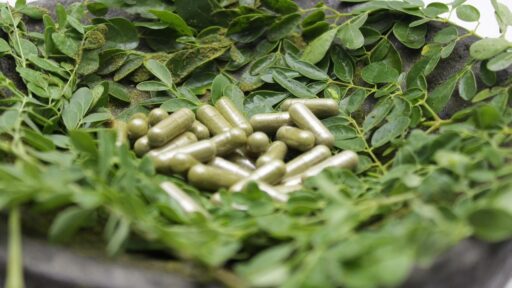
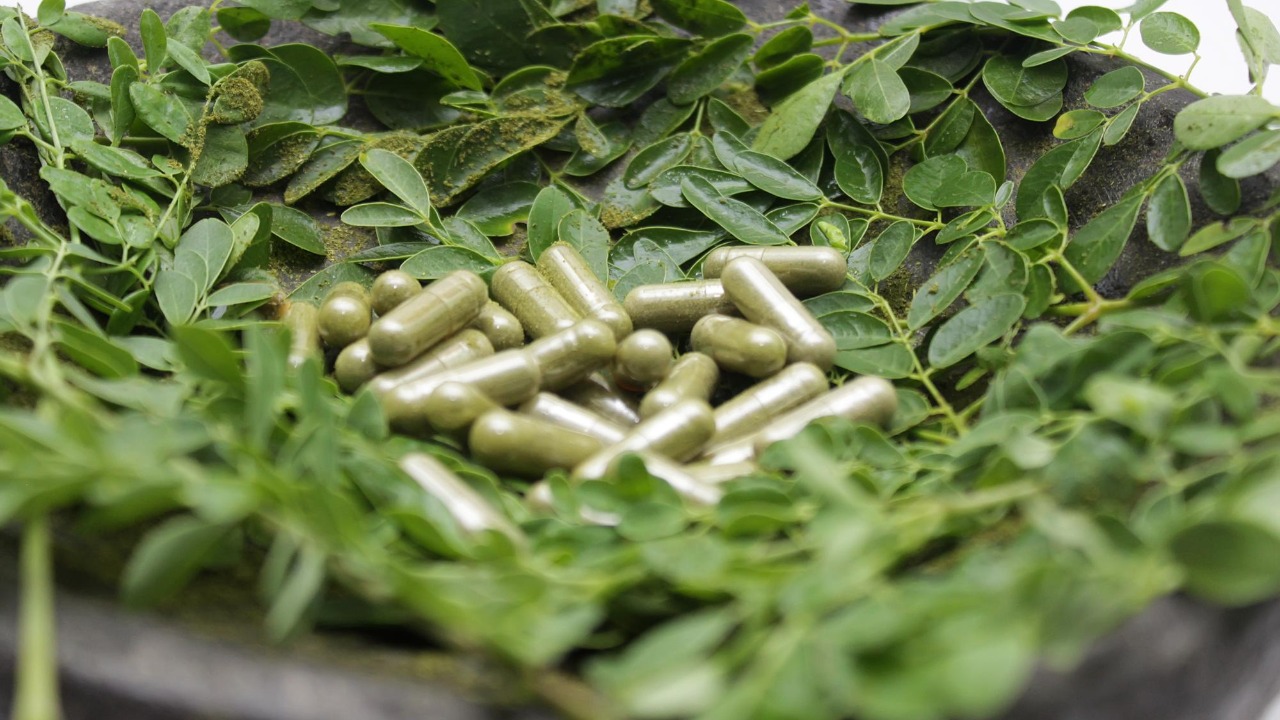
The current investigation centers on multiple brands of moringa-leaf capsules and powders that have tested positive for salmonella and are suspected in clusters of gastrointestinal illness. Federal and state officials have tied at least 119 confirmed infections in 36 states to people who reported using a moringa supplement before they became sick, according to outbreak summaries cited in case counts. Many of these patients required medical care, and some were hospitalized, underscoring how severe salmonella can be when delivered in a concentrated, daily-use product.
Investigators have traced the contamination to specific lots of moringa-leaf products sold nationwide through online retailers, independent health food stores, and some supermarket chains. Several supplement companies have initiated voluntary recalls, pulling affected batches from shelves and urging consumers to check lot numbers against recall lists. The Food and Drug Administration has coordinated with state health departments to identify additional products that may share the same contaminated moringa-leaf supply, creating a moving target for both regulators and shoppers.
According to regulatory briefings cited in coverage of the outbreak, three separate salmonella investigations involving moringa supplements are active at the same time. These parallel probes reflect concerns that contamination may not be limited to a single manufacturer or importer. Officials are examining whether a shared raw ingredient supplier or processing facility introduced salmonella into dried moringa leaves that were then distributed under different brand names. Consumers trying to determine if their product is affected are being told to consult updated recall lists that track all three moringa investigations.
In interviews with health investigators, many patients reported using moringa supplements for general wellness, energy, or blood sugar support. Some took capsules daily for months before falling ill, complicating efforts to pinpoint exposure windows. Others used moringa powders blended into smoothies or teas, sometimes alongside other herbal products that also had to be ruled out. This pattern of routine, low-dose consumption raises the possibility that some cases have gone unreported, especially if people experienced milder symptoms and never sought testing.
How a wellness staple became a nationwide food safety problem
Moringa oleifera, often marketed as the “drumstick tree” or “miracle tree,” has grown into a popular supplement ingredient over the past decade. Dried moringa leaves are sold as capsules, tablets, loose powders, and drink mixes, promoted for their vitamin and antioxidant content. In many households, moringa has shifted from a niche herbal remedy to part of a daily wellness routine, which helps explain how a contamination issue can spread quickly across states once a tainted batch enters the supply chain.
Unlike prescription drugs, dietary supplements in the United States enter the market under a lighter regulatory framework. Manufacturers are responsible for ensuring their products are safe and properly labeled, but they do not need premarket approval from the Food and Drug Administration. Problems such as microbial contamination are often discovered only after people become sick and doctors or laboratories report clusters of similar infections. The moringa outbreak highlights how that reactive model can leave consumers exposed when quality controls fail.
Salmonella contamination in dried plant material usually begins earlier in the production chain. Raw moringa leaves can pick up the bacteria from contaminated irrigation water, soil, or animal waste. If drying, grinding, or packaging steps do not eliminate or control pathogens, the bacteria can persist in the finished powder for months. Because moringa supplements are typically consumed without a kill step such as boiling or baking, any salmonella present in the powder can reach the gut intact. In this outbreak, laboratory tests on retained product samples and unopened bottles have confirmed the presence of the same salmonella strain found in patients, strengthening the link between the supplements and the illnesses.
Public health officials have stressed that salmonella infections are not minor inconveniences. Symptoms usually include diarrhea, abdominal cramps, fever, and sometimes vomiting. For children, older adults, pregnant people, and those with weakened immune systems, the infection can lead to severe dehydration, bloodstream infections, and in rare cases, death. The 119 confirmed cases tied to moringa likely represent only a fraction of total infections, since many people with moderate symptoms never undergo stool testing.
The outbreak also exposes how quickly a popular wellness trend can outpace safety infrastructure. As moringa surged in popularity, suppliers scaled up imports of dried leaves and powders from farms around the world. Some of those operations may not have had the same sanitation standards or pathogen testing protocols expected in the United States. Without strong supplier verification and routine microbial testing, a contaminated lot can move from a farm to a capsule within weeks, then to consumers in dozens of states shortly after.
Regulatory pressure, consumer choices, and what the moringa case signals next
In response to the outbreak, the Food and Drug Administration has urged consumers to stop using recalled moringa products and to discard any bottles or pouches that match affected lot numbers. People who experience symptoms of salmonella after taking a moringa supplement are being advised to seek medical care and mention their supplement use to clinicians. Public health departments are using those interviews to refine exposure timelines and identify additional brands that may be implicated. Detailed recall notices and case summaries have been collected in federal outbreak updates and in consumer-facing guides to the moringa recall.
For supplement manufacturers, the moringa incident is likely to accelerate calls for stronger quality controls. Trade groups have long promoted voluntary standards such as third party Good Manufacturing Practice audits and independent lab testing of raw materials. After a high profile outbreak that spans 36 states, pressure is growing for companies to make those safeguards routine rather than optional. Some brands are already highlighting new testing protocols for salmonella and other pathogens in marketing materials, hoping to reassure wary customers and retailers.
Regulators, meanwhile, are facing renewed scrutiny over how they monitor the booming supplement market. Advocates for tighter oversight argue that the current system, which relies heavily on post market surveillance and voluntary recalls, leaves too much room for contaminated or adulterated products to reach consumers. They point to the moringa outbreak as evidence that herbal supplements should be subject to more rigorous ingredient testing and traceability requirements, similar to those imposed on ready to eat foods. Industry defenders counter that most supplements are safe and that isolated contamination events can be addressed through targeted enforcement rather than sweeping new rules. That policy debate is likely to intensify as investigators publish final findings on how salmonella entered the moringa supply chain.
For consumers, the immediate question is how to navigate supplement aisles while the investigation continues. Public health experts recommend several practical steps. First, anyone who has purchased moringa capsules or powders should check the brand name, lot number, and purchase date against current recall lists maintained by federal and state agencies. Second, people who are pregnant, older, very young, or immunocompromised may want to pause use of nonessential herbal supplements that lack clear safety testing, at least until more is known about contamination risks. Third, buyers can favor products that provide transparent information about sourcing and that use independent labs to test for pathogens, heavy metals, and other contaminants.