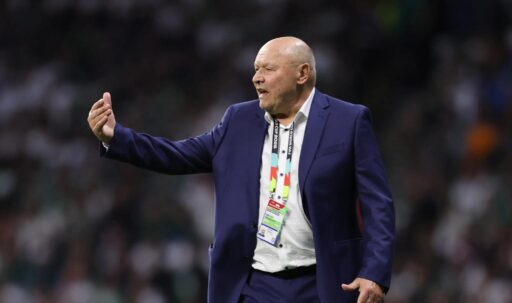
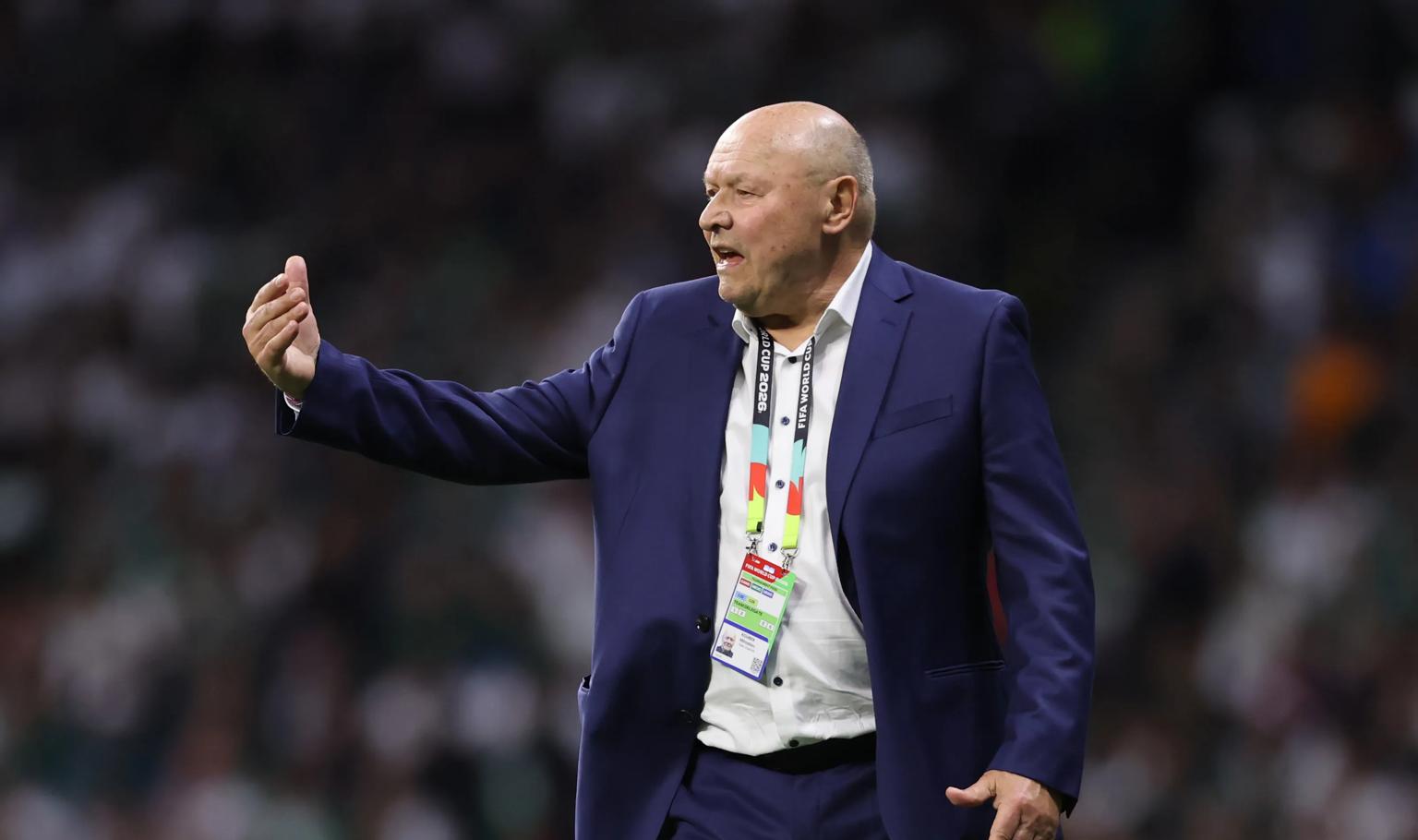

Miroslav Koubek has stepped down as coach of Czechia after a disappointing early exit from the 2026 World Cup, ending his tenure in charge of the national team. His resignation comes in the immediate aftermath of elimination, turning a sporting setback into a broader reset for Czech football. The decision places Czechia alongside several other World Cup nations already searching for a new head coach while the tournament is still unfolding.
How Czechia’s World Cup collapse led to Koubek’s decision
The trigger for Koubek’s departure was Czechia’s failure to progress from the group stage at the 2026 World Cup. The team’s campaign ended with an early elimination that fell short of expectations set when he was appointed to lead a new cycle for the national side. Match reports describe a team that struggled to control games and convert chances, leaving Czechia behind group rivals who adapted better across their three fixtures, and that poor return framed the coach’s position as untenable once the final whistle sounded on their tournament.
Detailed accounts of the group stage suggest Czechia’s performances never fully clicked in either attack or defense, with key players unable to impose themselves on opponents at the level required for a deep World Cup run. The exit confirmed that the progress seen in qualifying had not translated into tournament resilience, and within hours of elimination, Koubek informed the federation that he would step aside. Coverage of the decision describes a coach who accepted responsibility for the failure and chose not to wait for a formal review before resigning.
Reports from inside the camp indicate that the decision was framed as a mutual understanding between Koubek and the Czech association, though the initiative clearly came from the coach. One detailed breakdown of the fallout notes that he communicated his choice soon after the final group match, once it was clear that Czechia had no route to the knockout phase, and that he did so before any public criticism from federation officials could escalate. That timing allowed him to present the move as an honourable exit rather than a dismissal under pressure.
Regional coverage has also highlighted that Koubek’s resignation did not occur in isolation. He became part of a small but growing list of managers who have left their posts during this World Cup after their teams were knocked out. One report states that third coach at the tournament to resign following elimination, which places his decision in a wider pattern of rapid accountability among national-team bosses.
Why Koubek’s exit matters for Czech football and the World Cup
Koubek’s resignation matters first of all because it ends a coaching project that had been built around continuity. When he took over, the Czech association sought a figure who could blend experienced internationals with younger talent emerging from domestic clubs and major European leagues. The early World Cup exit and his subsequent departure now interrupt that plan, leaving a generation of players without the coach who helped integrate them into the national setup.
Analysts have pointed out that Czechia’s tactical approach at the tournament was conservative compared with some of their group opponents. Match data and commentary show a side that often sat deep, relied heavily on counterattacks and long balls, and struggled to sustain possession in midfield. In post-match reaction pieces, several observers argued that this style limited the influence of Czechia’s more technically gifted players and made it harder to chase games once they fell behind. Those criticisms fed into the narrative that a change on the touchline had become inevitable.
The resignation also carries symbolic weight because of the timing. Koubek stepped down while the World Cup is still in progress, which keeps Czechia in the news cycle even though their on-field participation is over. A report on the fallout from the group stage notes that exit was confirmed almost immediately after the team’s elimination, ensuring that the conversation around Czech football shifted quickly from disappointment to the question of who comes next.
For the broader tournament, his decision reinforces a trend of short managerial cycles at international level. Another detailed piece on coaching changes at this World Cup explains that several federations have written performance clauses into contracts that make it easier for both sides to part ways after a poor showing. In Koubek’s case, insiders have suggested that his contract contained provisions tied to World Cup progress, and although the exact terms have not been disclosed, the speed of his resignation suggests that both he and the federation saw little value in prolonging uncertainty.
Reactions within Czechia have been mixed. Some fans and commentators have expressed respect for a coach who chose to accept responsibility rather than seek excuses, while others argue that structural issues in Czech football run deeper than any single manager. A detailed reaction piece notes that supporters were divided between those who blamed tactics and selections and those who pointed to player form and squad depth. That split reflects a familiar debate in international football about how much blame a coach should carry for a short tournament.
Outside Czechia, the resignation has been read as another sign of how unforgiving the World Cup stage has become. A data-focused review of the group stages highlights how small margins, including single defensive lapses or missed chances, can transform a campaign from success to failure. In that context, Koubek’s exit is part of a wider story of coaches whose futures hinge on a handful of moments in three group matches.
What the coaching vacancy means for Czechia’s future plans
The immediate priority for the Czech association is to appoint an interim or permanent successor in time to prepare for the next international window. Reports that detail the federation’s response say officials are already drawing up a shortlist and assessing whether to promote from within the existing staff or look externally. A tournament wrap-up notes that Koubek’s staff could be reshuffled, with some assistants potentially staying on to provide continuity during the transition.
Any new coach will inherit a squad that combines experienced internationals with younger players who gained valuable minutes in the World Cup group stage. Analysts suggest that the core of the team remains competitive for European qualifying campaigns, but that tactical evolution is needed to get more out of creative midfielders and wide players. A detailed profile of the national setup argues that the next coach should modernise pressing structures and build a clearer attacking identity, rather than relying primarily on defensive solidity.
There is also a strategic question about how quickly the federation should move. Some voices inside Czech football favour a rapid appointment to stabilise the squad and reassure players about their roles. Others argue that a more deliberate search, possibly involving foreign candidates, could pay off in the long term. A report that tracks the immediate aftermath of the resignation notes that federation leaders have so far avoided naming specific targets, which suggests they are still weighing those options.
In the meantime, Koubek’s departure is likely to prompt a broader review of Czechia’s player development pipeline and domestic coaching standards. Commentators have already linked the World Cup disappointment to questions about how many Czech players are competing at the highest club level and whether the domestic league is providing enough high-intensity matches. Some argue that the national team’s ceiling will remain limited unless more players follow the path of recent Czech exports to top European competitions.
There is also the personal dimension for Koubek himself. While his time as national coach has ended, his reputation as an experienced manager in Czech football remains intact in the eyes of many observers. Several reaction pieces describe him as a coach who prepared diligently and maintained strong relationships with players, even if the World Cup results did not match ambitions. That profile suggests he could return to club management, either in Czechia or abroad, once the dust settles on the tournament.