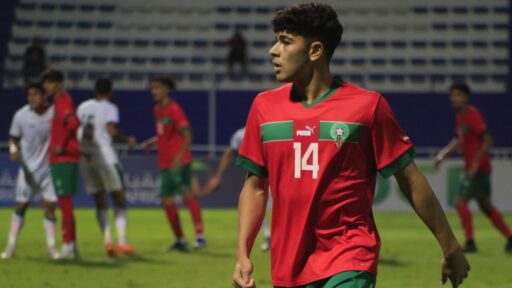
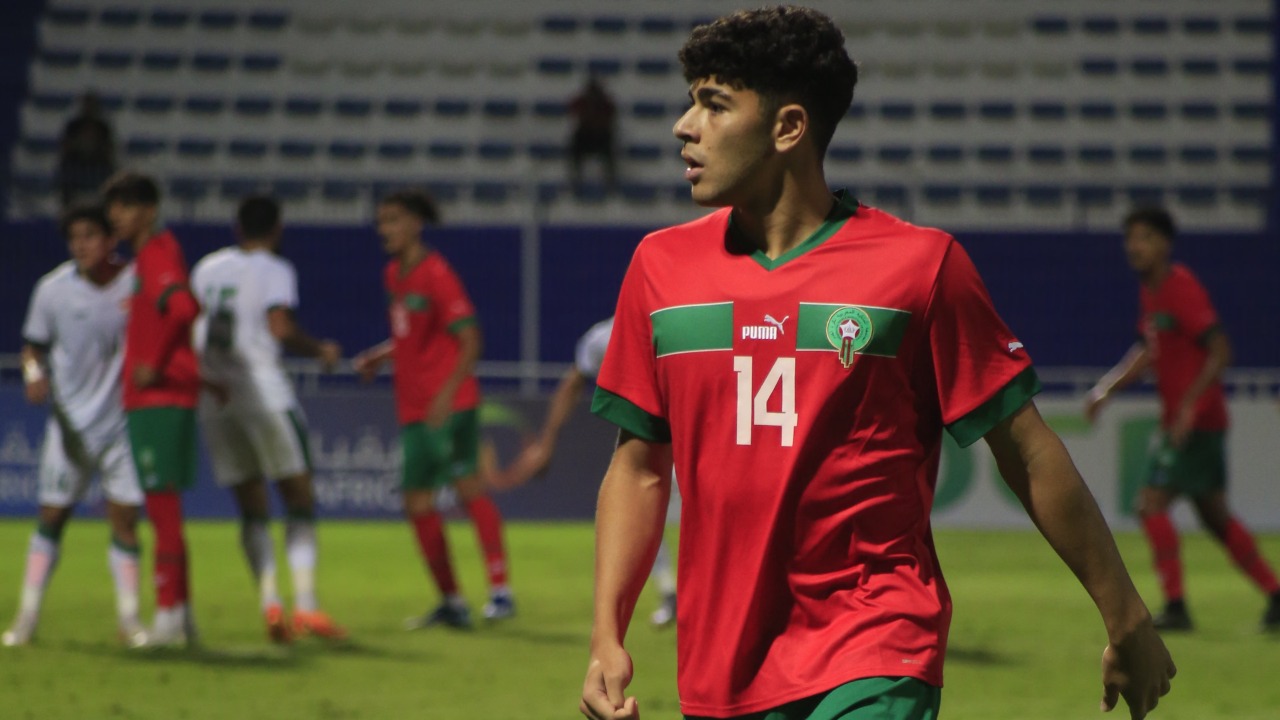

Morocco’s latest World Cup shock came from twelve yards out, with a nerveless penalty shootout eliminating the Netherlands and propelling the Atlas Lions into the last 16. The result extended Morocco’s reputation as a tournament disruptor and heaped pressure on a Dutch side that arrived with expectations of a deep run.
Beyond the drama of the spot kicks, the match showcased a tactical maturity and mental resilience that has turned Morocco into one of the most awkward opponents in elite international football.
Key turning points in Morocco’s penalty triumph over the Netherlands
The knockout tie unfolded as a tense, tactical contest in which the Netherlands controlled long spells of possession but failed to translate that control into clear chances. Cody Gakpo again carried much of the Dutch attacking threat, yet Morocco’s compact block and aggressive fullbacks repeatedly disrupted the rhythm of the Group F winners, who had been tipped as favorites by several pre-match predictions.
Morocco’s plan revolved around disciplined defending and rapid surges in transition. The midfield pairing that featured Ismael Saibari gave the side vertical thrust whenever the Dutch press loosened, while the back line handled a stream of crosses without panicking. That structure kept the game level through regular and extra time, setting the stage for the decisive shootout described in detail by match reports.
From the spot, Morocco showed the same steel that carried them through high-pressure moments at the previous World Cup. The penalty takers stepped up with a measured tempo, often waiting for the Dutch goalkeeper to commit before rolling the ball into the opposite corner. Goalkeeper Yassine Bounou, already known for his penalty prowess, again became a central figure as he read Dutch run-ups and turned the shootout into a psychological contest.
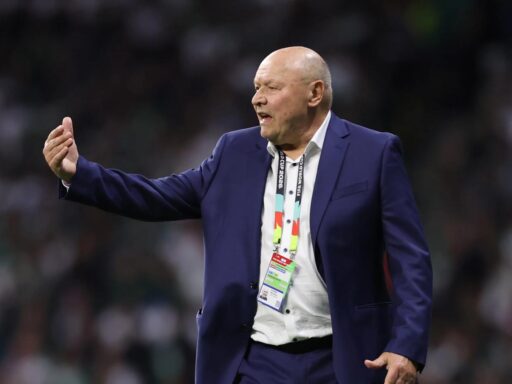
The Dutch sequence told a different story. Gakpo converted his attempt, but others faltered under the weight of expectation. One effort crashed off the woodwork, another was saved at a comfortable height, and the Netherlands never recovered from the early miss that immediately tilted pressure onto their remaining takers. Coverage from French broadcasters highlighted the contrast between Morocco’s composure and the visible tension in Dutch body language.
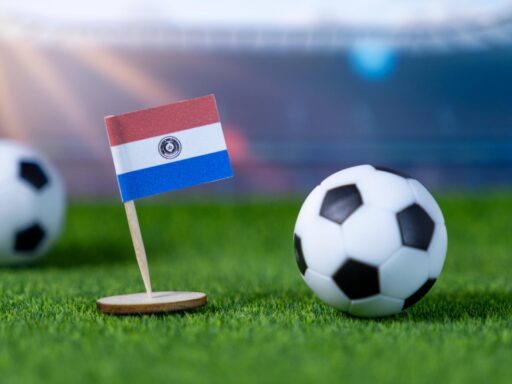
Morocco’s win also came in a wider context of surprise results in the first knockout round. On the same day, Paraguay stunned Germany to advance, a pairing of shocks that was captured by regional coverage. Together, those results reshaped the bracket and removed two European powers many had penciled in for the quarterfinals.
Why Morocco’s shootout victory resonates across this World Cup
Morocco’s ability to eliminate the Netherlands on penalties matters for more than the immediate bracket. It reinforces a pattern that emerged four years ago, when the Atlas Lions knocked out Spain and Portugal on their way to a historic semifinal. Opponents now know that Morocco can absorb pressure for long stretches, then thrive in the thin margins of knockout football, especially from the spot.
Reports from tournament analysts emphasize how the team’s defensive structure has become a defining strength. The back four stays narrow, the wingers track tirelessly, and the midfielders are drilled to close passing lanes into the half-spaces where Dutch creators such as Gakpo and Xavi Simons prefer to operate. That discipline reduces games to a series of individual duels and set-piece moments, an environment that suits Morocco’s mentality and goalkeeping advantage.
The result also carries symbolic weight for African and Arab football. After their breakout run at the previous World Cup, some questioned whether Morocco could sustain that level or whether it had been a one-off surge. By sending another European heavyweight home in the first knockout round, as detailed in international coverage, Morocco has strengthened the sense that its rise is structural rather than fleeting.
For the Netherlands, the loss raises uncomfortable questions. This generation, built around Gakpo, Virgil van Dijk, Frenkie de Jong and a deep pool of attacking options, was expected to push for a title. Instead, the team exited to a side that willingly ceded possession and invited them to solve a packed defense. Analysts who previewed the tie, including those who framed the Dutch as strong favorites in Group F projections, will now revisit assumptions about the Oranje’s ability to break down compact blocks under pressure.
Strategically, the match underlines a broader trend at this expanded World Cup. With more teams and a longer schedule, tournament football increasingly rewards deep squads that can maintain intensity through 120 minutes, then handle the mental strain of penalties. Morocco’s rotation in wide areas and midfield allowed them to preserve energy for the shootout, while the Netherlands appeared to lose tempo as the game wore on.
The psychological dimension is equally significant. Morocco’s players approached the shootout with the memory of previous success, which several reports from on-the-ground coverage describe as a source of visible confidence. The Dutch, by contrast, carried the burden of past disappointments in major tournaments. In knockout football, that history often shapes how players handle the walk from the center circle to the penalty spot.
How Morocco’s upset reshapes the tournament’s next phase
By advancing to the last 16, Morocco has again placed itself in the heart of the World Cup story. The bracket now opens a path that avoids some of the traditional superpowers, partly because Paraguay’s win over Germany removed another European contender from Morocco’s half of the draw, as highlighted in regional reports. That does not guarantee a smoother route, but it does shift the balance of stylistic matchups.
The next opponent will likely approach Morocco with more caution than the Netherlands showed. Teams now have two full World Cup cycles of evidence that chasing an early goal and overcommitting numbers can play into Moroccan counterattacks. Future rivals are expected to vary their pressing triggers, avoid predictable crossing patterns, and test Morocco with more shots from distance to draw defenders out of their compact shell.
For Morocco’s staff, the challenge will be to add a little more attacking variety without losing the defensive identity that has become their trademark. Analysts from post-match breakdowns have already pointed to the need for cleaner ball progression through midfield when opponents refuse to overextend. If Morocco can find an extra creative gear while keeping Bounou protected, the team will move from dark horse to genuine contender.
The Netherlands face a different kind of future. An early exit will intensify scrutiny of tactical choices, particularly the reliance on wide deliveries and the lack of central penetration against a low block. Domestic debate will likely focus on whether the current setup maximizes the talents of Gakpo and his supporting cast, or whether a more flexible attacking structure is needed to avoid becoming predictable in high-stakes games. Those questions were already surfacing in post-match coverage that framed the defeat as a systemic issue rather than a one-off bad night.
On a broader level, Morocco’s win feeds into ongoing discussions about competitive balance at the World Cup. With more confederations producing tactically sophisticated teams, the gap between traditional powers and emerging forces continues to narrow. The sight of Germany and the Netherlands leaving at the same stage, both beaten by opponents who embraced defensive discipline and penalty drama, will influence how federations plan for future tournaments.
For now, Morocco carries the momentum. The players have banked another shootout win, the coaching staff has fresh proof that their blueprint works against elite European opposition, and supporters across Africa and the Arab world have a new chapter in a story that began with that first deep run four years ago. The next round will test whether this generation can push the ceiling even higher, but one thing is already clear from reports across outlets such as South Asian media: no one will take Morocco lightly again at this World Cup.