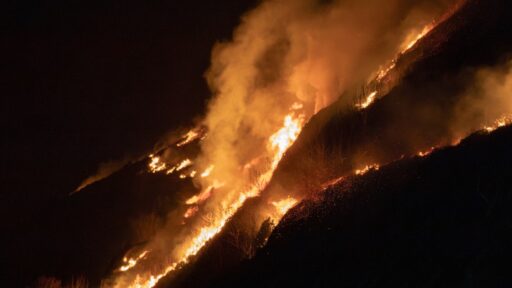
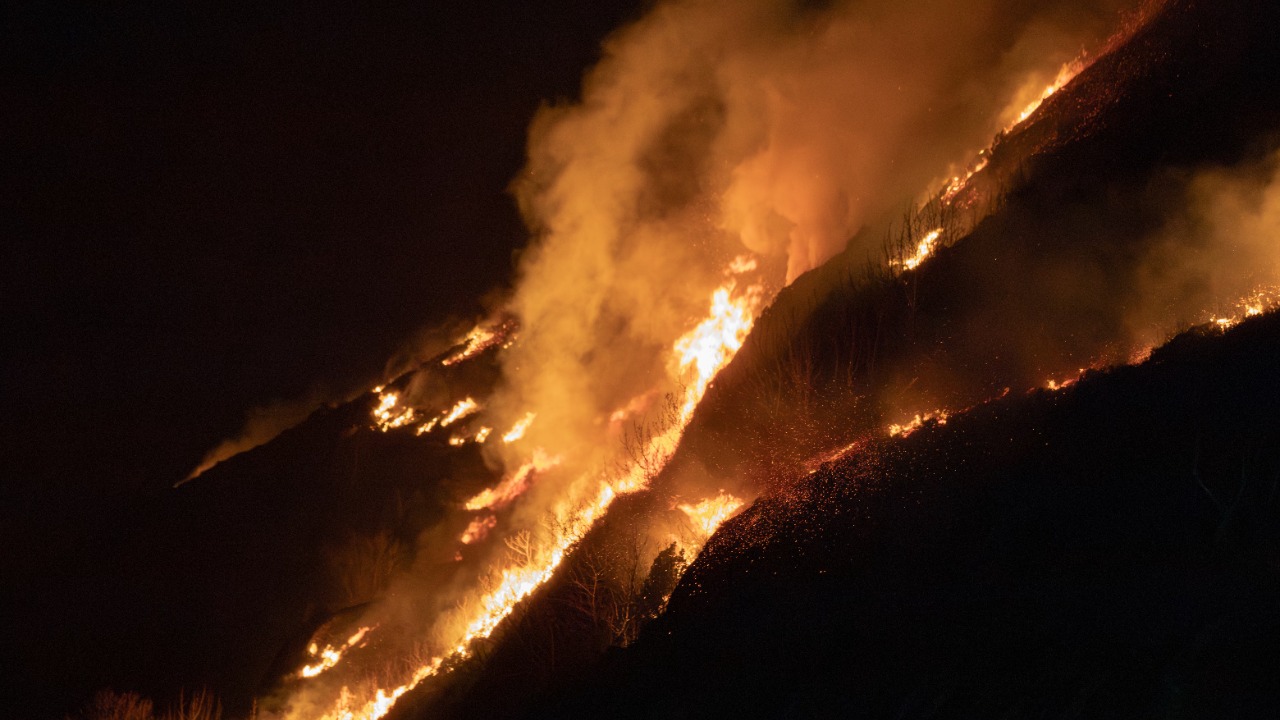

A fast-moving wildfire in central Utah has burned nearly 72,000 acres with no containment, forcing entire towns to evacuate and pushing firefighters into a race against time. Driven by hot, dry conditions and gusty winds, the Cottonwood Fire has turned a swath of rangeland and canyon country into an active disaster zone as residents scramble to save homes, livestock, and critical infrastructure.
Crews are confronting extreme fire behavior and limited access in rugged terrain, while state and local officials issue evacuation orders, open shelters, and warn that the next 24 to 48 hours will be decisive for communities in the fire’s path.
How the Cottonwood Fire exploded into a regional emergency
Authorities say the Cottonwood Fire started in central Utah, then rapidly expanded across sagebrush, grass, and pinyon-juniper as temperatures climbed and relative humidity plunged. Within a short window, the blaze grew to nearly 72,000 acres, with incident commanders reporting zero containment along the active perimeter as crews tried to anchor control lines and protect structures in threatened towns.
Officials have emphasized that the fire is burning across a mix of public and private land, including grazing allotments and recreation areas that draw visitors in the summer. As the footprint expanded, sheriffs and emergency managers moved from pre-evacuation notices to mandatory orders in several small communities, telling residents to leave quickly and take only essential belongings. Evacuation centers in nearby cities outside the immediate danger zone are giving displaced families a place to register, find temporary shelter, and connect with aid groups.
Fire crews are working in steep canyons and broken terrain that make direct attack difficult. Air resources, including large air tankers and helicopters, are being used to slow the most aggressive runs and support firefighters on the ground. Incident updates describe a focus on protecting homes, outbuildings, and critical infrastructure such as power lines and communication towers that serve rural Utah counties.
The Cottonwood Fire is unfolding during a broader Western fire season that already includes significant incidents in neighboring states. In Arizona, for example, the Hazen wildfire near Buckeye has grown rapidly in dry fuels west of Phoenix, prompting its own wave of alerts and resource deployments. That parallel activity adds pressure on regional firefighting capacity, since air tankers, hotshot crews, and support teams are shared across state lines.
Escalating evacuations and the human toll on Utah communities
For the towns closest to the Cottonwood Fire, the crisis is measured less in acreage and more in hurried departures and uncertain returns. As flames advanced toward populated areas, law enforcement went door to door, using loudspeakers and emergency alerts to tell residents they had to leave immediately. Families loaded pets and children into vehicles, grabbed medications and important documents, and joined lines of cars heading away from the smoke column.
Ranchers in the fire’s path were forced to cut fences or open gates so cattle and horses could escape approaching flames, hoping the animals would find their way to safer ground. Others tried to move livestock by trailer until officials warned that lingering too long in evacuation zones put lives at risk. The fire’s rapid movement has already damaged rangeland and water infrastructure that local agriculture depends on, raising concerns about the long-term economic hit even if homes are spared.
Schools in threatened areas have shifted to emergency plans, suspending in-person classes or preparing to serve as shelters if needed. Health officials are also tracking air quality impacts as smoke spreads across valleys and canyons, affecting people with asthma, heart disease, and other respiratory conditions far from the flame front.
Utah’s state agencies have activated wildfire response protocols, coordinating with county governments and federal land managers. That coordination includes staging additional engines, bulldozers, and hand crews, as well as bringing in incident management teams with experience on large, complex fires. The Cottonwood Fire is now treated as a priority incident because of its size, lack of containment, and direct threat to multiple communities.
Why this fire is especially dangerous right now
The Cottonwood Fire is not just another large blaze on the summer map. It is burning into a set of conditions that make control harder and community impacts more severe. Prolonged heat and below-average moisture have left grasses and shrubs extremely dry, so spot fires can ignite far ahead of the main front when embers ride the wind. That spotting behavior complicates evacuation planning, since areas that seem safe in the morning can be under threat by afternoon.
Fire managers have also warned that the region’s topography can channel wind and accelerate flames through narrow canyons and drainages. When those fire runs align with power corridors or highway routes, the risk of infrastructure damage rises. Any disruption to transmission lines or major roads could slow firefighting logistics and complicate evacuations if conditions worsen.
At the same time, Utah is seeing more people living, working, and recreating in the wildland urban interface, where homes sit close to flammable vegetation. That pattern increases the number of structures at risk during a large fire and requires more intensive structure protection, from clearing defensible space to setting up sprinkler systems and fire lines around neighborhoods. The Cottonwood Fire is testing those preparations in real time as crews prioritize which areas receive limited resources.
Regional context matters as well. With other significant fires burning in the West, including the fast-growing blaze near Buckeye, competition for aircraft and specialized crews is intense. When multiple states request the same large air tankers or hotshot teams, not every incident gets the ideal level of support. The Cottonwood Fire’s size and zero containment status have placed it on the short list for additional help, but resource sharing remains a constant balancing act.
State officials have framed the Cottonwood Fire as a warning about what the rest of the season could look like if hot, dry patterns persist. They have urged residents across Utah to prepare evacuation kits, sign up for local alert systems, and reduce ignition risks around homes, even if they live far from the current fire.
What officials and residents are bracing for next
Incident commanders say the immediate priority is to keep the Cottonwood Fire from pushing deeper into populated corridors while building enough containment to hold through the next wind event. That means aggressive work on the flanks closest to towns, heavy use of aircraft when visibility allows, and strategic backburns where conditions permit. Firefighters are also scouting for natural barriers such as rocky ridges and wide roads that can serve as anchor points for control lines.
Weather forecasts over the coming days will shape the next phase of the response. If winds ease and humidity rises, crews may gain ground and start increasing containment percentages. If gusty conditions return or thunderstorms produce dry lightning and erratic outflows, the fire could jump lines and force new evacuations. Officials are warning residents to stay ready for rapid changes and to avoid reentering closed areas until they are cleared.
Local governments are already thinking beyond the immediate emergency. Once the Cottonwood Fire is contained, attention will shift to rehabilitation of burned slopes to reduce the risk of flash floods and debris flows. Burned Area Emergency Response teams typically assess soil conditions, vegetation loss, and threats to watersheds, then recommend treatments such as mulching, reseeding, or installing check dams in vulnerable drainages.
For communities that have evacuated, the return home will likely be staggered. Utility crews must first inspect power lines, gas infrastructure, and water systems to ensure they are safe. Law enforcement will manage checkpoints to prevent looting in damaged neighborhoods. Mental health services, faith groups, and local nonprofits are preparing to support residents who may come back to smoke-damaged or destroyed properties.
At the state level, leaders are expected to review how the Cottonwood Fire started and whether any policy changes are needed around land management, fire restrictions, or development in high-risk zones. Similar reviews have followed other large incidents in the region, including the current Utah blaze that has drawn national attention for its rapid growth.