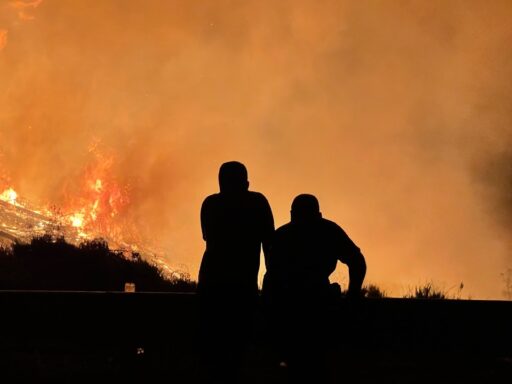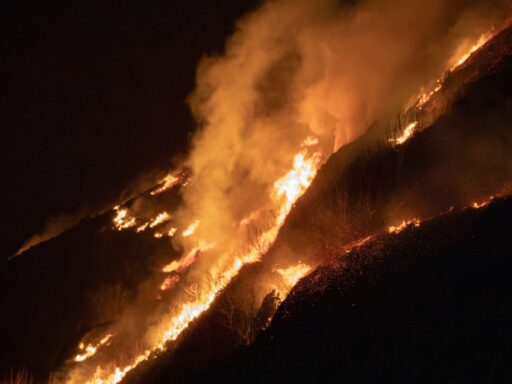
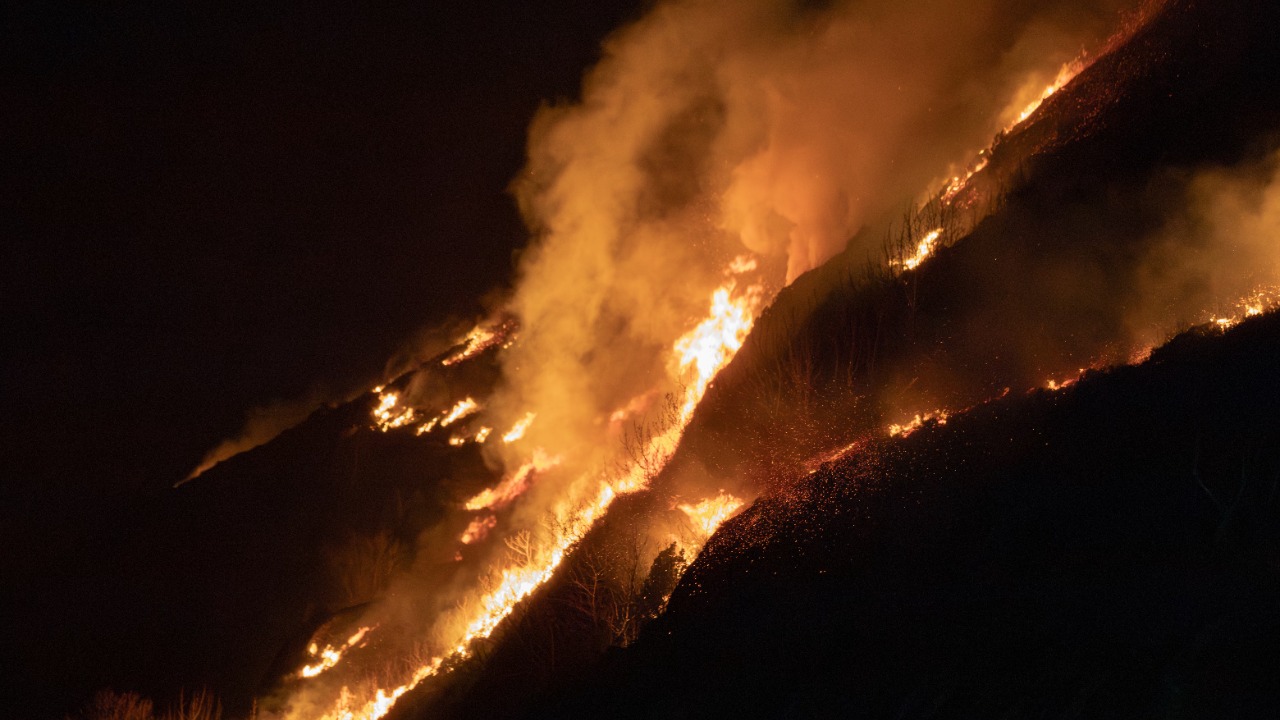

The Cottonwood Fire has rapidly grown into one of Utah’s most dangerous wildfires this season, burning nearly 72,000 acres with zero containment as entire communities clear out ahead of the flames. Driven by dry fuels and shifting winds, the fire has turned a large stretch of rangeland and rural towns into an active evacuation zone and a test of the region’s wildfire readiness.
Residents are watching not only the advancing fire line but also the strain on firefighting resources across the West, as other large blazes compete for crews, aircraft, and equipment. The Cottonwood Fire’s explosive growth, combined with its proximity to homes and highways, has transformed a fast-moving emergency into a broader warning about what another long, hot fire season could bring.
How the Cottonwood Fire grew into a 72,000-acre emergency
Authorities report that the Cottonwood Fire has scorched nearly 72,000 acres of land in Utah with no containment, forcing evacuations in several nearby towns as the perimeter keeps expanding. Local officials say the blaze is burning through grass, brush, and timber that dried out early in the season, allowing the fire to move quickly across open country and toward populated areas, according to state fire updates.
Initial reports describe a fire that started under hot, windy conditions and then rapidly jumped containment lines, outpacing early ground crews. As it grew, the incident command shifted from a local response to a larger, multiagency effort that brought in state and federal resources. Fire managers have focused on keeping the flames away from homes, critical infrastructure, and major transportation routes, requiring aggressive structure protection and targeted burnout operations along key ridges and roadways.
Despite the size of the perimeter, the fire’s behavior has not been uniform. In lighter fuels such as cheatgrass and sage, it has raced forward in long runs, while in heavier timber it has produced intense heat, thick smoke, and occasional crown fire that complicates aerial operations. Those changing conditions have limited what helicopters and fixed-wing aircraft can do in certain sectors, leaving ground crews to hold lines in difficult terrain.
Evacuated communities and the human cost of the advancing flames
The most immediate change for residents has been the wave of mandatory evacuations as the Cottonwood Fire pushes closer to towns and rural homesteads. Local sheriffs and emergency managers have moved quickly to clear neighborhoods when forecasts show the fire shifting toward homes, leading to late night knocks on doors and hurried departures with little time to pack. Some families have relocated to Red Cross shelters, while others are staying with relatives or camping in trailers in safer areas outside the active fire zone.
Livestock and agriculture have added another layer of urgency. Ranchers are scrambling to move cattle, horses, and sheep out of threatened pastures, often trailing animals along county roads or loading them into stock trailers under smoky skies. Hay fields, corrals, and irrigation infrastructure sit in the path of the fire in some valleys, raising concerns about both immediate losses and the longer term hit to local economies that depend on grazing leases and small farms.
Highways and backcountry roads near the fire have seen closures or rolling traffic controls as visibility drops and flames approach the pavement. Those disruptions have affected commuters, supply trucks, and tourists who use these corridors to reach recreation areas. Law enforcement has warned drivers not to stop along roadways to take photos or watch the fire, since parked vehicles can block emergency access and put people directly in the path of shifting fire fronts.
Why this Utah wildfire matters in a wider Western fire season
The Cottonwood Fire is not burning in isolation. Across the West, crews are already stretched by other large wildfires, including the Hazen Fire near in Arizona that has forced its own evacuations and road disruptions. When multiple incidents reach tens of thousands of acres at the same time, fire managers must decide where to send limited hotshot crews, air tankers, and incident management teams, which can slow the response on any single blaze.
Utah’s current fire also reflects broader climate trends that have lengthened and intensified fire seasons across the interior West. Warmer temperatures, earlier snowmelt, and recurring drought have combined to dry out vegetation for longer stretches of the year. What used to be a late summer peak has become a months long period when large, fast moving fires are possible. The Cottonwood Fire’s rapid expansion in such conditions is a stark example of how quickly a spark can turn into a regional crisis.
Smoke from the fire has also raised public health concerns well beyond the immediate evacuation zones. Fine particles carried downwind can worsen asthma, heart disease, and other respiratory conditions, especially for children and older adults. Air quality agencies have issued advisories for communities under the smoke plume, urging residents to limit outdoor activity, keep windows closed, and use filtration where possible when particulate levels spike.
Firefighting tactics and the struggle for containment
With zero containment reported, incident commanders have prioritized life safety and structure defense over aggressive perimeter control in the most volatile sectors. Crews are cutting firelines with bulldozers and hand tools along ridges and existing roads, then using controlled burns to remove fuel between those lines and the advancing fire. Where the terrain is too steep or access is limited, firefighters are relying on natural barriers such as rocky outcrops and riverbeds to slow the spread.
Aerial support has included large air tankers dropping retardant on key flanks and helicopters delivering water to hot spots near homes and infrastructure. These aircraft are most effective when coordinated with crews on the ground who can move in behind drops to secure the edges. However, shifting winds and thick smoke have periodically grounded flights or forced them to relocate to safer sectors, making it harder to lock in progress on any single day.
Logistics are another challenge. Fire camps must house and feed hundreds of firefighters, supply them with tools and protective gear, and keep engines and heavy equipment fueled and maintained. As the Cottonwood Fire’s footprint changes, those camps may need to move, disrupting operations and adding to the cost. At the same time, local agencies must maintain coverage for routine medical calls, traffic crashes, and smaller fires that continue even during a major incident.
What the next phase could bring for Utah communities
In the near term, the path of the Cottonwood Fire will depend on wind, humidity, and the success of current containment strategies. If cooler, calmer weather arrives, crews may be able to strengthen lines and start reporting incremental containment on key flanks. That would allow some evacuated residents to return home under controlled reentry plans, often with warnings about lingering smoke, hot spots, and damaged infrastructure.
If hot, windy conditions persist, however, the fire could continue to grow and threaten new communities, forcing additional evacuations and stretching resources further. Incident commanders will likely keep adjusting priorities, shifting crews to protect the most at risk neighborhoods and critical facilities, even if that means allowing less populated areas of rangeland to burn under close monitoring.
Longer term, the Cottonwood Fire will leave a patchwork of burned and unburned areas that reshape local ecosystems for years. Burned hillsides will face increased erosion risk, especially during heavy rain, which can send debris flows into creeks, roads, and lower lying properties. Land managers will need to assess where to reseed with native grasses, repair fences and trails, and harden infrastructure before the next fire season.
For residents, the experience of hurried evacuations, smoky days, and uncertain returns will likely feed into broader debates about building standards, defensible space, and land use in fire prone parts of Utah. The Cottonwood Fire’s 72,000 acres at zero containment is not just a statistic, but a warning that the combination of climate, fuels, and development is creating conditions where large, disruptive wildfires can become a recurring feature of life in the interior West.