
Toyota’s reputation for durability just gained another talking point, with four of its SUVs appearing on a prominent list of the ten longest-lasting models on the road. Close behind, Lexus and Honda entries reinforce the idea that long-term reliability is increasingly concentrated in a small circle of Japanese brands. For shoppers facing record vehicle prices and longer loan terms, the brands that routinely reach 250,000 miles or more are starting to look less like fan favorites and more like financial strategy.
How Toyota ended up with four of the longest-lasting SUVs
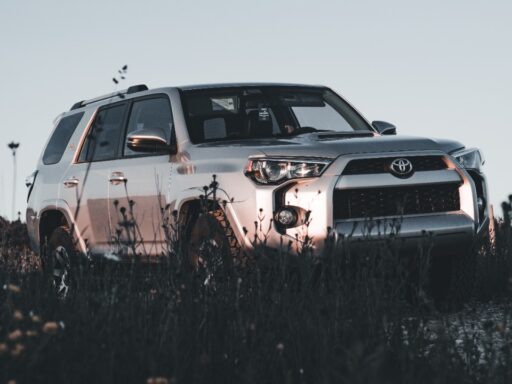
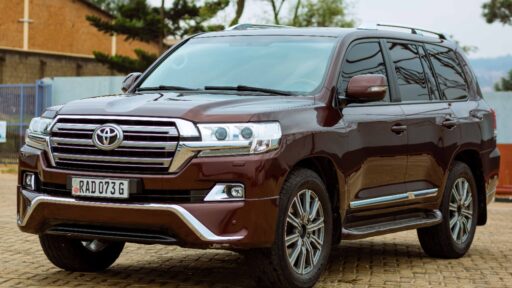
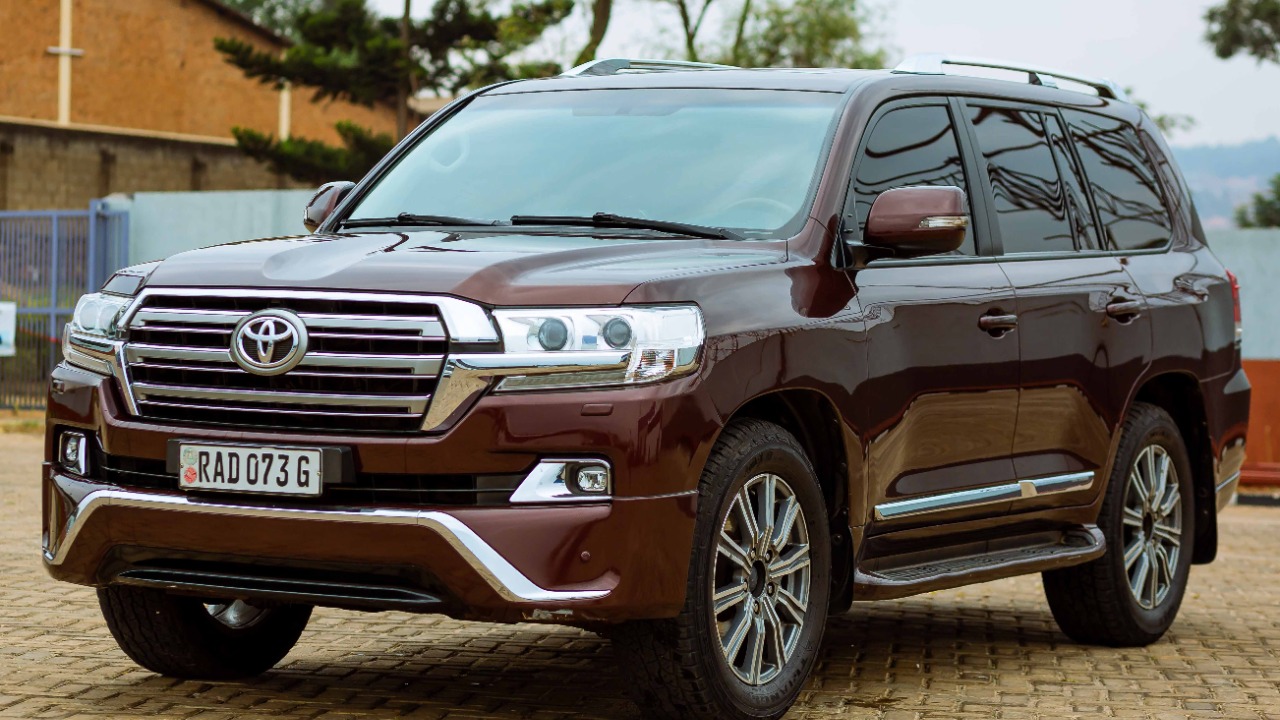
Long-running data on high-mileage vehicles consistently shows Toyota near the top once the odometer climbs past 200,000 miles. Analyses that track which SUVs most often exceed 250,000 miles place Toyota models in four of the top ten slots, with vehicles such as the Toyota 4Runner and Toyota Land Cruiser appearing again and again. Methodologies vary, but the pattern is clear: Toyota’s body-on-frame SUVs, along with the Highlander and similar crossovers, are heavily represented among the longest-lived nameplates in the segment, while Lexus and Honda supply several of the remaining spots.
These rankings draw on registration and resale data that measure how many examples of a given model remain in service at extremely high mileage. One detailed breakdown of longest-lasting SUVs highlights that Toyota’s entries are not just squeaking past the 250,000 mile mark but often doing so in higher numbers than rivals. Lexus, which shares platforms and powertrains with Toyota, contributes models such as the Lexus GX and Lexus LX that mirror the durability of their Toyota counterparts. Honda’s presence, through vehicles like the Honda CR-V and Honda Pilot, reflects a similar focus on conservative engineering and proven drivetrains.
Independent reliability ratings point to the same conclusion from a different angle. Long-term surveys of owners, warranty claim rates and repair histories tend to place Toyota and Lexus at or near the top of brand reliability rankings, with Honda close behind. A guide to the most reliable used leans heavily on these three brands, especially for shoppers targeting older models that still have years of service ahead. When the same names dominate both reliability studies and high-mileage registration data, it suggests the durability advantage is not a fluke of one model year but a consistent pattern.
Why Toyota’s durability edge matters more right now
New vehicles are more expensive than ever, and buyers are stretching loans out over six or even seven years. In that environment, an SUV that can realistically last 15 years and 250,000 miles changes the math on ownership. Instead of planning for a trade-in halfway through the loan, owners of a Toyota 4Runner, Lexus GX or Honda Pilot can reasonably expect to keep the vehicle long after the last payment. That extra life effectively spreads the initial purchase price over more years and miles, which matters when average transaction prices are pushing into luxury territory even for mainstream brands.
Brand-level data underscores how concentrated this durability advantage has become. A comparison of longest-lasting car brands shows Toyota and Lexus clustered at the top, with Honda also above the industry average for vehicles that reach very high mileage. These brands are not just building one or two standout models. Their entire SUV portfolios tend to age more gracefully, which helps explain why four Toyota SUVs and multiple Lexus and Honda models appear in longevity rankings.
The flip side is the absence of domestic nameplates from the same lists. An analysis of vehicles most likely to reach 250,000 miles or more found that one American vehicle cracked the top tier of longest-lasting models. That does not mean every American SUV is unreliable, but it does show that when the bar is set at a quarter-million miles, Japanese brands dominate. For buyers who previously assumed that a full-size American SUV would naturally be the most durable choice, that finding is a jolt.
Used buyers feel this most directly in pricing. The same Toyota, Lexus and Honda SUVs that top longevity lists also command higher resale values, especially once they are five to ten years old. A 2014 Toyota Highlander or 2012 Lexus RX with 150,000 miles still attracts strong bids because shoppers understand that these vehicles regularly push far beyond 200,000 miles. That premium can be frustrating for bargain hunters, but it reflects a rational market response to lower expected repair costs and longer remaining life.
There is also a trust factor that is difficult to quantify but shows up in owner loyalty. Families that run a Toyota Sequoia or Honda CR-V past 200,000 miles with only routine maintenance are far more likely to stay with the brand when it is time to replace the vehicle. That loyalty reinforces the cycle, giving these manufacturers more incentive to keep prioritizing durability over short-term styling or feature experiments.
What this durability trend means for shoppers and rivals
The dominance of Toyota, Lexus and Honda in high-mileage SUV rankings shapes how buyers should approach the market. For shoppers who prioritize long-term value, the data argues for putting these brands at the top of the test-drive list, especially for families that plan to keep a vehicle for a decade or more. A buyer choosing between a used Toyota 4Runner and a similarly priced domestic crossover with the same mileage is not just picking a badge. They are choosing between very different probabilities of reaching 250,000 miles without major component failures.
That does not mean every Toyota or Honda is automatically the right choice. Model-specific histories still matter. Some generations of the Honda Pilot, for example, have better transmission records than others, and certain Lexus RX years are known for particular suspension or infotainment issues. Shoppers still need to examine maintenance records, recall histories and pre-purchase inspection results. The longevity statistics function more as a starting filter than a final verdict.
For automakers that are underrepresented on these lists, the message is uncomfortable but clear. Reliability and durability have become powerful differentiators at a time when many vehicles share similar technology, safety ratings and fuel economy. Investing in components that last, simplifying overly complex systems and avoiding unproven powertrains can pay off years later in the form of higher resale values and stronger brand loyalty. The success of Toyota’s naturally aspirated V6 engines and traditional automatic transmissions in high-mileage SUVs offers a contrast to rivals that leaned heavily into early turbocharging or dual-clutch gearboxes.
Electric vehicles add another layer of complexity. Battery longevity will define whether an electric SUV can compete with a Toyota 4Runner or Lexus GX on total life span. Early data on EV battery degradation is encouraging in some cases, but it is not yet comparable to the decades of information available for gasoline-powered SUVs. Until long-term EV data matures, many buyers who want a vehicle that can handle 15 years of family duty will keep gravitating toward the known quantities from Toyota, Lexus and Honda.
Looking ahead, the brands that currently dominate longevity rankings face a challenge of their own. As they adopt downsized turbo engines, more complex hybrid systems and increasingly intricate infotainment suites, they risk eroding the simplicity that helped their older SUVs last so long. Maintaining a focus on durable components, accessible maintenance and conservative engineering will be essential if Toyota, Lexus and Honda want their current models to appear on high-mileage lists a decade from now. The current data shows what is possible when a company treats durability as a core product feature rather than an afterthought. The next generation of SUVs will reveal which manufacturers have truly learned that lesson.