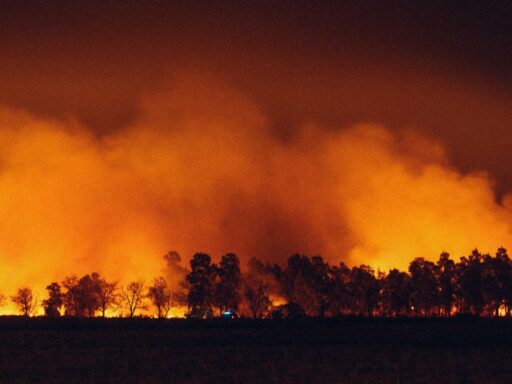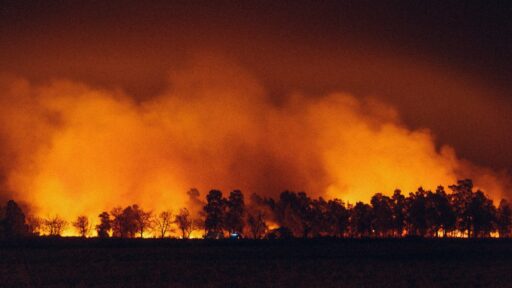
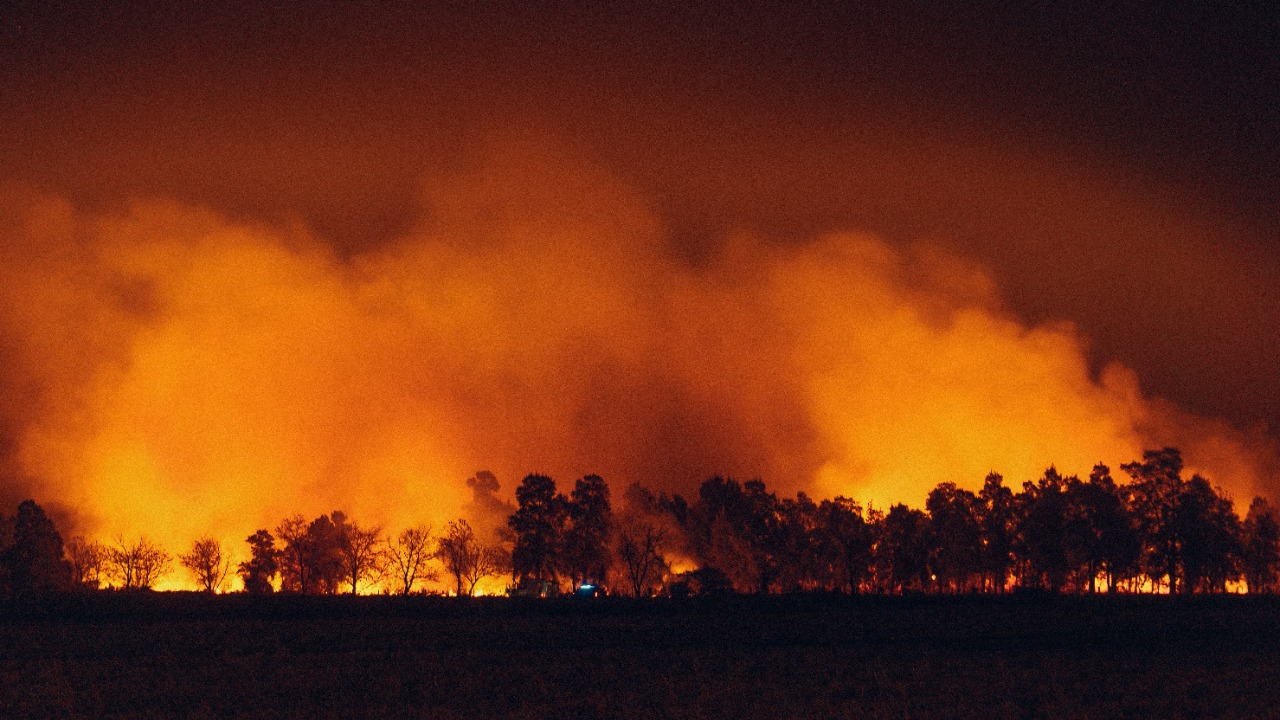

The Cottonwood Fire has overtaken the Iron Fire to become Utah’s largest active blaze, underscoring how quickly this year’s wildfire season has escalated. What began as another lightning-sparked incident in a dry corner of the state has turned into a fast-growing disaster that is destroying infrastructure, testing firefighting resources, and reshaping how officials prepare for the rest of the summer.
As the Cottonwood Fire expanded, it not only surpassed the Iron Fire in size but also in impact, tearing through a southern Utah ski resort and prompting statewide emergency actions. The change in status is more than a ranking on a map; it signals a new phase of risk for nearby communities and for Utah’s already stretched fire crews.
How the Cottonwood Fire surged ahead of the Iron Fire
The Cottonwood Fire grew from a regional concern into Utah’s leading wildfire as hot, dry conditions and gusty winds pushed flames across rugged terrain. Fire managers tracking multiple incidents reported that Cottonwood’s footprint expanded more quickly than the Iron Fire, which had previously been the state’s largest active burn. The shift came as containment lines around the Iron Fire held more consistently, while Cottonwood pushed into new fuel, including forested slopes and developed recreation areas.
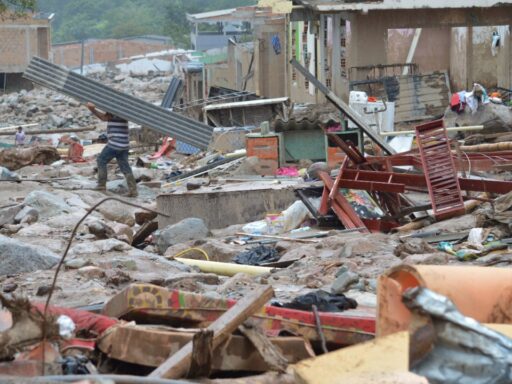
One of the most dramatic moments in that expansion came when the Cottonwood Fire swept through a southern Utah ski resort. According to local officials, the blaze destroyed key resort structures and infrastructure, turning what had been a year-round recreation hub into a field of twisted metal and ash. Images from the scene showed chairlift towers blackened by heat and lodge buildings reduced to foundations, a stark illustration of how quickly the fire’s behavior changed as it moved into the resort corridor. The destruction at the southern Utah ski also complicated firefighting logistics, since access roads and utility lines that crews relied on were damaged or blocked.
By the time Cottonwood passed the Iron Fire in size, incident commanders had shifted additional engines, air support, and hand crews to the new priority. The Iron Fire, while still active, had begun to stabilize along some of its perimeter, with firefighters able to reinforce dozer lines and conduct targeted burnout operations. Cottonwood, in contrast, was still spotting ahead of itself, with embers carried into dry grasses and timber stands that had not burned in years.
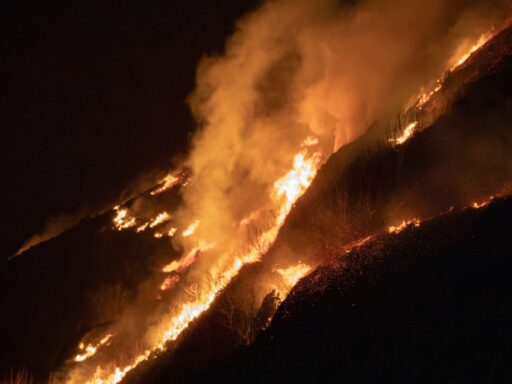
Topography played a major role in this divergence. The Cottonwood Fire’s path included steep canyons and narrow drainages that funneled wind and accelerated flame spread. In several sectors, crews had to pull back to safety zones as the fire ran uphill faster than ground teams could construct line. That aggressive behavior, combined with the damage to built infrastructure, gave Cottonwood a more complex profile than the Iron Fire, which remained largely in less developed wildland.
Why the Cottonwood Fire’s new status carries higher stakes
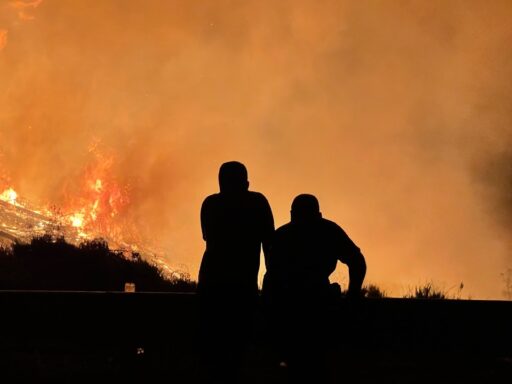
The fact that Cottonwood is now Utah’s largest active wildfire matters for several reasons, starting with public safety. Nearby communities, seasonal workers at the ski resort, and visitors to surrounding campgrounds all faced changing evacuation patterns as the fire grew. Local sheriffs expanded road closures and issued new evacuation notices as flames advanced toward residential pockets and cabins that had not initially been in the projected path.
The economic stakes are also significant. The ski resort that burned was not only a winter destination but also a summer draw for mountain biking, hiking, and festivals. With main facilities destroyed and lift infrastructure compromised, the resort faces a long and expensive rebuild. That disruption will ripple through nearby towns that rely on visitor spending at hotels, restaurants, gear shops, and gas stations. Seasonal employees, including lift operators, maintenance staff, and hospitality workers, now confront an uncertain future as managers assess whether any part of the resort can operate during the upcoming winter season.
Statewide, the Cottonwood Fire’s growth has intersected with an already tense wildfire outlook. Utah’s governor declared a state of emergency as the blaze, combined with other fires, pushed resources to the limit. The declaration allowed the state to tap additional funding, request federal support, and coordinate more tightly with neighboring states for air tankers and hotshot crews. At the same time, officials moved to restrict fireworks, citing the extreme fire danger and the size of what they described as the largest wildfire currently burning.
Those restrictions have both safety and cultural dimensions. Fireworks are a staple of summer celebrations across Utah, particularly around major holidays. By limiting their use, state leaders are betting that short-term frustration will be outweighed by reduced ignition risk. Fire officials have pointed to past years when stray fireworks sparked brush fires that quickly grew into costly incidents. With Cottonwood already consuming firefighting bandwidth, even a modest new start could force difficult choices about where to send crews and aircraft.
Environmental impacts add another layer of concern. The Cottonwood Fire is burning through forest and brush that provide habitat for wildlife and help anchor soils above downstream communities. Intense heat can bake slopes into hydrophobic layers that repel water, increasing the risk of debris flows and flash flooding once monsoon storms arrive. The loss of tree cover around the ski resort and in nearby drainages raises the likelihood that future storms will send mud and rock into roads, culverts, and possibly homes. Land managers are already mapping high-risk areas for post-fire flooding and erosion, knowing that those hazards can persist for years after the flames are out.
Air quality is another immediate consequence. Smoke from Cottonwood has drifted across valleys and into population centers, prompting health advisories for children, older adults, and people with respiratory conditions. Schools and summer programs have had to adjust outdoor activities on days when particulate levels spike. For residents already dealing with heat, the combination of high temperatures and smoke-filled skies has made daily life more difficult and raised demand for cooling centers and medical services.
How officials and communities are preparing for what comes next
With the Cottonwood Fire now the dominant incident in Utah, attention has shifted to what the next weeks will bring. Fire managers are racing to build and reinforce containment lines before seasonal winds shift and before potential dry thunderstorms introduce new lightning strikes. A mix of federal, state, and local crews is working on strategic ridges and along key road corridors, aiming to box in the fire where terrain and fuel conditions allow.
One priority is protecting what remains of the ski resort and surrounding infrastructure. Engineers and utility crews are assessing damage to power lines, water systems, and access roads, while fire teams clear hazard trees and hot spots that could threaten workers. Local officials are already talking with resort operators about long-term recovery plans, including debris removal, slope stabilization, and eventual rebuilding. Insurance assessments will shape how quickly those plans move, but the scale of destruction suggests a multi-year recovery rather than a single off-season repair cycle.
State leaders are also using the Cottonwood Fire as a catalyst for broader policy discussions. The fireworks restrictions and state of emergency have opened conversations about whether seasonal bans should become more automatic during high-risk periods, and whether building codes in wildland-adjacent areas need to change. Some lawmakers and county commissioners are revisiting proposals for defensible space requirements around homes, incentives for fire-resistant roofing and siding, and stricter oversight of development near heavily forested slopes.
For residents, the immediate focus is on preparation and adaptation. Communities near both the Cottonwood and Iron fires are updating evacuation plans, clearing brush from around structures, and signing up for emergency alert systems. Local fire departments are hosting briefings in school gyms and community centers, walking people through go-bag checklists and explaining how to navigate road closures if conditions change quickly. Volunteer groups are organizing support for evacuees, including temporary housing, pet care, and assistance for those who lost jobs when the resort shut down.