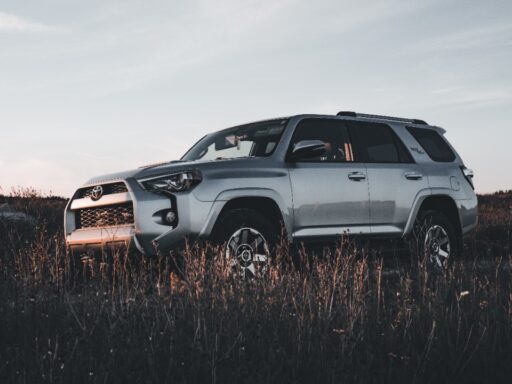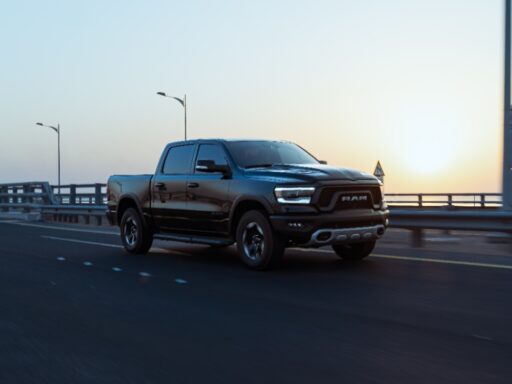
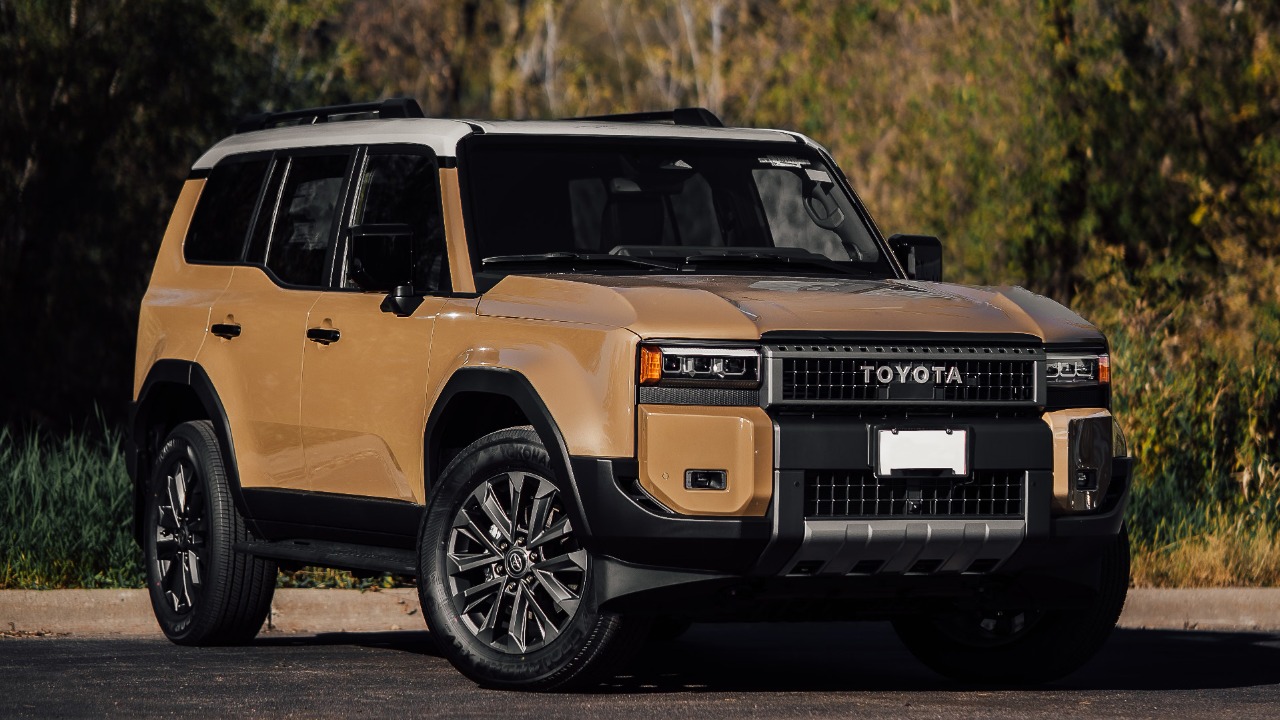

Shoppers who want a three-row family hauler that can outlast a mortgage are zeroing in on a small group of body-on-frame SUVs that consistently cross the 300,000‑mile mark. In 2026, the most compelling choices combine old-school durability with just enough modern tech, and the standouts are already showing up in high-mileage reliability data. For buyers facing record vehicle prices and longer loans, a large SUV built to run well past 300,000 miles has shifted from nice-to-have to financial strategy.
How the 300,000‑mile large SUV emerged from reliability data
Long-running ownership surveys and resale data keep pointing to the same pattern: the longest-lasting vehicles are typically full-size SUVs that share heavy-duty frames and drivetrains with pickups. Analysts tracking odometer readings have highlighted a handful of models that routinely stay on the road beyond 250,000 miles, with some crossing 300,000 miles while still in daily use. The trend reflects engineering choices such as ladder-frame construction, conservative engine tuning, and proven automatic transmissions that prioritize durability over cutting-edge performance.
One detailed look at high-mileage records singled out an overlooked full-size SUV that quietly racks up 300,000 miles or more when owners keep up on maintenance. The report pointed to a naturally aspirated V8, a six-speed automatic, and a truck-derived chassis as key reasons these SUVs age more like commercial vehicles than commuter crossovers. That same combination also tends to deliver higher towing ratings and better performance under heavy load, which matters for buyers who regularly pull boats, campers, or work trailers.
High-mileage reliability is not just anecdotal. Longitudinal studies of vehicles that remain in service beyond 200,000 miles show that a small group of SUVs and trucks dominate the upper end of the charts. In one analysis of models that “refuse to die,” several body-on-frame SUVs appeared alongside pickups and old-school sedans, with owners reporting odometer readings deep into the 300,000‑mile range. Those long-lived models were characterized by relatively simple engines, conservative power outputs, and drivetrains that had been in production for years before their final refresh.
Mainstream reliability rankings for midsize SUVs, meanwhile, show that some crossovers can also deliver long service lives, even if they are not built on truck frames. A review of the most reliable midsize highlighted models with strong predicted reliability scores, low complaint rates, and favorable warranty coverage. Those findings matter because they show that reliability is not limited to the biggest trucks, and they help explain why some buyers are still willing to trade maximum durability for better fuel economy and easier daily driving.
Why a 300,000‑mile large SUV suddenly makes more sense in 2026
Several trends are pushing buyers toward vehicles that can survive 15 years or more of use. New-vehicle prices remain elevated, interest rates have kept monthly payments high, and more shoppers are stretching loans to seven years or longer. In that environment, a large SUV that can realistically stay reliable past 300,000 miles can carry a family through school years, college runs, and early retirement without requiring a replacement halfway through the loan cycle.
Financial analysts have begun framing long-lived vehicles as retirement tools, not just transportation. A breakdown of 2026 models that can last through retirement focused on compact cars, but the logic applies directly to large SUVs. The report argued that vehicles with a strong track record of durability, low unexpected repair rates, and reasonable parts costs can save retirees tens of thousands of dollars over two decades. In the same way that a compact car with a reputation for longevity can stretch a fixed income, a carefully chosen large SUV can protect a family budget by spreading its purchase cost over hundreds of thousands of miles. That idea was central to a guide on 2026 cars that through retirement, which emphasized that reliability is effectively a financial product.
Durability also matters because many households now expect a single vehicle to do everything. A three-row SUV often serves as commuter car, family shuttle, vacation rig, and sometimes work truck. The more roles it fills, the more miles it accumulates each year, quickly turning a 36,000‑mile warranty into a distant memory. That is why shoppers who intend to keep a vehicle for a decade or longer pay close attention to models with proven longevity, even if that means accepting an older engine design or fewer cutting-edge features.
There is also a growing recognition that a long-lived SUV can be a lower-impact choice than frequent trade-ins, even if its fuel economy is not class-leading. Manufacturing a new vehicle carries a significant environmental footprint, and keeping a reliable SUV in service for 15 or 20 years can offset some of that impact. Owners who pair a durable large SUV with thoughtful driving habits and regular maintenance can reduce both their financial and environmental costs over the lifetime of the vehicle.
Insurance and resale dynamics add another layer. Models with reputations for crossing 300,000 miles often retain more of their value in the used market, which can soften the blow of higher purchase prices. Insurers also track loss histories and repair costs, and vehicles that avoid catastrophic failures tend to generate more predictable premiums. For families weighing a new large SUV against a smaller crossover, those long-term cost factors increasingly tip the scales toward the vehicle that is most likely to still be running when the kids have left for college.
How automakers and buyers will shape the next generation of ultra-durable SUVs
Automakers see the demand for long-lived vehicles, and several are quietly leaning into durability as a selling point. That does not always mean advertising 300,000‑mile lifespans, but it does show up in extended powertrain warranties, certified pre-owned programs that stretch well past 100,000 miles, and engineering decisions that favor proven components over untested technology. Some brands have kept older V8 or V6 engines in production specifically because they have strong reliability records and well-understood maintenance needs.
At the same time, the industry is shifting toward electrification, which raises new questions about what a 300,000‑mile SUV looks like in the next decade. Battery-electric SUVs eliminate many traditional wear items, including oil changes, exhaust systems, and complex multi-gear transmissions. That simplicity could support very high mileages if battery packs retain enough capacity and charging infrastructure remains accessible. However, long-term data on electric SUVs is still limited, and replacement battery costs can be significant, so buyers who prioritize proven durability often continue to favor conventional or hybrid powertrains for now.
Hybrid large SUVs may offer a middle path. They pair traditional engines with electric assistance to reduce strain on the drivetrain, which can extend component life if the system is well engineered. Hybrids also improve fuel economy, which matters for full-size SUVs that can otherwise be expensive to run. As more high-mileage data emerges on hybrid trucks and SUVs, shoppers will gain a clearer picture of whether these systems can match the 300,000‑mile reputations of their non-hybrid predecessors.
For buyers who want a large SUV that can realistically reach 300,000 miles, the next steps are practical rather than speculative. The most reliable options tend to share a few traits: a body-on-frame platform, an engine and transmission with a long production history, strong reliability scores over multiple model years, and a track record of high-mileage examples in the used market. Cross-referencing long-term reliability rankings, high-mileage owner reports, and maintenance cost data can narrow the field to a short list of contenders.
Maintenance habits will remain just as important as model choice. Even the most durable large SUV will struggle to reach 300,000 miles without regular fluid changes, timely repairs, and attention to wear items such as suspension components and cooling systems. Owners who plan for those costs up front, set aside a maintenance budget, and follow manufacturer schedules are far more likely to see their odometers roll past the 300,000‑mile milestone without major drama.