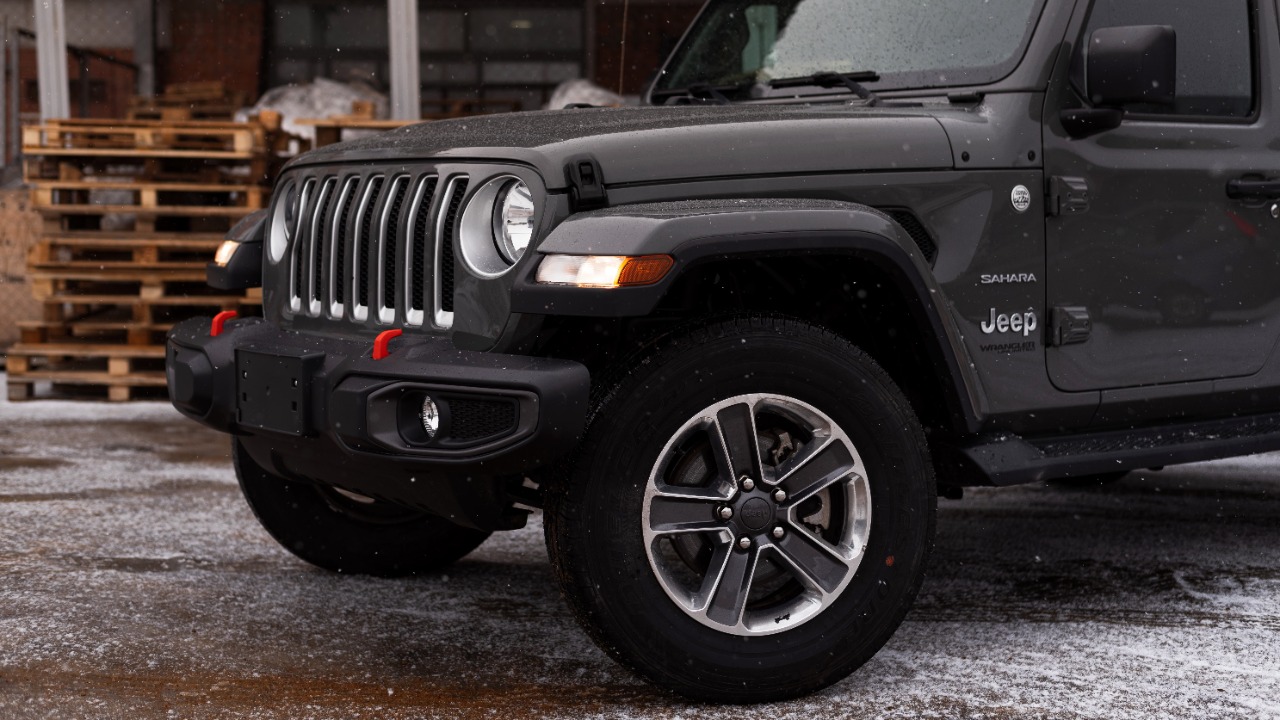

Stellantis is recalling more than 1 million Jeep Wrangler and Jeep Gladiator pickups in the United States because they can catch fire even when parked and turned off. The defect, tied to an automatic transmission component, has prompted urgent guidance for owners to park outside and away from buildings until repairs are completed.
The recall adds a new chapter to Stellantis’s recent run of fire-related safety campaigns and raises fresh questions about how quickly automakers are catching thermal risks in popular models. It also comes at a time when “park outside” warnings are becoming far more common across the industry.
What changed in Stellantis recalled more than 1 million Jeeps that can catch fire while parked
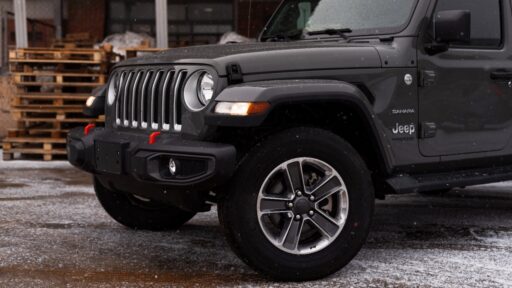
The latest Jeep action centers on certain Wrangler and Gladiator models equipped with the 3.6‑liter V6 and an 8‑speed automatic transmission. Stellantis told regulators that a problem in the transmission may allow fluid to leak, which can then contact hot surfaces in the engine bay and start a fire. According to recall documents cited in coverage of the Wrangler and Gladiator, the risk exists even when the vehicle is stationary and the engine is off.
The company’s investigation traced the issue to the transmission oil pump and related components. Under certain conditions, fluid can be forced out of the system and onto nearby hot parts. That failure mode helps explain why some owners reported smoke or fire after parking, not while driving. Reporting on the Wrangler and Gladiator notes that Stellantis is aware of multiple incidents that occurred when vehicles were not in motion.
In response, Stellantis is preparing a software update and, in some cases, hardware changes to better control pressures in the transmission system and prevent leaks. Owners of affected Wranglers and Gladiators will be notified and instructed to schedule free repairs at dealerships. Coverage of the Jeep fire recall explains that until those fixes are installed, Stellantis has told drivers to avoid parking inside garages or near structures where a fire could spread quickly.
This is not the first time Stellantis has had to confront fire hazards in its lineup. Earlier reports on the company’s electrified models described issues with high‑voltage components and battery systems. A separate campaign involved plug‑in hybrid versions of the Chrysler Pacifica minivan and Jeep SUVs, where owners were told to avoid charging and to park away from buildings because of a potential battery fire risk. Coverage of those cases highlights how Stellantis previously recalled plug‑in hybrid Chrysler models after identifying thermal issues in the propulsion system.
The new Wrangler and Gladiator action is different in that it targets a conventional gasoline drivetrain, not a high‑voltage pack. Yet the pattern is similar: a defect that can ignite a parked vehicle, followed by a “park outside” advisory and a large‑scale recall to rework hardware and software. For owners, the practical effect is the same, regardless of whether the source is a battery or a transmission leak.
Why Stellantis recalled more than 1 million Jeeps that can catch fire while parked matters now
Fire risk in a parked vehicle is one of the most disruptive types of defect for consumers. Drivers can avoid certain dangers while on the road by changing behavior, but a vehicle that might ignite while sitting unattended threatens homes, garages, apartment complexes, and nearby vehicles. That is why the National Highway Traffic Safety Administration has pressed automakers to issue clear “park outside” warnings as soon as such hazards are identified.
The Stellantis Jeep recall lands in an environment where these warnings are rapidly becoming more common. Data compiled by Carfax show that so‑called “park outside” recalls have jumped by nearly 50 percent in recent years as automakers respond to new types of fire risk. According to analysis cited in a Carfax recall report, the growth is driven by both traditional combustion problems and emerging issues with electrified powertrains.
That broader trend helps explain why the Wrangler and Gladiator campaign is drawing attention beyond Jeep loyalists. The affected models are among Stellantis’s signature products, marketed for off‑road capability and lifestyle appeal. A defect that can set them on fire while parked undercuts that image and raises questions for anyone who stores a Jeep in a home garage or tightly packed urban lot. Reporting on the more than 1 notes that the issue spans multiple model years, which means a large share of the current Wrangler and Gladiator fleet is affected.
There are also financial and logistical stakes. Owners face the inconvenience of arranging repairs, finding alternative parking, and in some cases dealing with insurance claims if a fire has already occurred. Stellantis, for its part, must fund the technical fix, reimburse dealers, and manage potential legal exposure from property damage or injuries linked to the defect. Coverage of the Jeep fire incidents notes that Stellantis has acknowledged at least several fires associated with the problem, which could factor into any future litigation or regulatory scrutiny.
The timing also intersects with a wider debate over vehicle complexity. As transmissions, engines, and hybrid systems grow more sophisticated, the number of potential failure points increases. The Jeep recall illustrates how a component that normally operates out of sight, such as an oil pump or pressure control system, can become a serious safety hazard when it fails in unexpected ways. For regulators and safety advocates, that raises questions about testing protocols and the time it takes to detect patterns in field data.
Consumers, meanwhile, face growing recall fatigue. With Carfax documenting a surge in “park outside” advisories, some owners may become desensitized or slow to act. That creates a gap between the number of vehicles recalled and the number actually repaired. In the case of the Wrangler and Gladiator, Stellantis and dealers will have to persuade more than 1 million owners to schedule service and follow parking guidance until the work is done.
What comes next for Stellantis recalled more than 1 million Jeeps that can catch fire while parked
In the near term, the priority is execution. Stellantis must roll out the software and hardware remedy, ship parts to dealerships, and ensure technicians are trained to perform the repair correctly and quickly. Reporting on the Wrangler and Gladiator indicates that owner notification letters are being prepared, which will trigger a wave of service appointments once they arrive.
How Stellantis communicates during this phase will shape public perception. Clear instructions on parking, transparent descriptions of the defect, and realistic timelines for repairs can help reassure owners who might otherwise worry about leaving their Jeep near their home. Some coverage of the Jeep fire risk has already emphasized the company’s recommendation to park outside and away from structures, a message that will likely be repeated in dealer outreach and customer emails.
Over the longer term, the recall is likely to feed into broader engineering and quality control changes inside Stellantis. The company has already had to address fire hazards in plug‑in hybrid Chrysler and Jeep models, as described in reporting on the earlier hybrid recall. Adding a large gasoline‑powered Jeep campaign to that history could prompt new internal reviews of component validation, software calibration, and field data analysis across powertrain lines.
Regulators will also be watching. The National Highway Traffic Safety Administration has taken a more aggressive stance on fire risks in both combustion and electrified vehicles, and a recall of more than 1 million Wranglers and Gladiators provides another case study in how quickly manufacturers identify and correct such defects. If future investigations reveal delays or missed warning signs, Stellantis could face additional oversight or penalties. At this stage, further regulatory actions are unverified based on available sources.