
High-mileage SUVs have moved from urban legend to documented reality, with multiple models now routinely crossing 400,000 miles in daily use. Owners, independent mechanics, and long-term reliability data all point to a small group of sport-utility vehicles that combine durable engines, conservative engineering, and affordable upkeep.
Rather than chasing the newest tech or flashiest styling, these seven SUVs have quietly built reputations as machines that can stay on the road for decades. Their stories also reveal how the industry’s approach to reliability, maintenance, and even vehicle size has shifted over time.
How seven long-lived SUVs earned their 400,000‑mile reputations
When mechanics are asked which vehicles actually make it to 400,000 miles, the same patterns keep appearing. Interviews with experienced technicians highlight body-on-frame SUVs with simple, naturally aspirated engines, conservative transmissions, and parts shared across many model years. One veteran technician, asked which vehicles he sees reach extreme mileage, singled out several Japanese-built SUVs and crossovers that show up in his shop with odometers far beyond 300,000 miles and drivetrains still intact, as detailed in an analysis of cars that actually such figures.
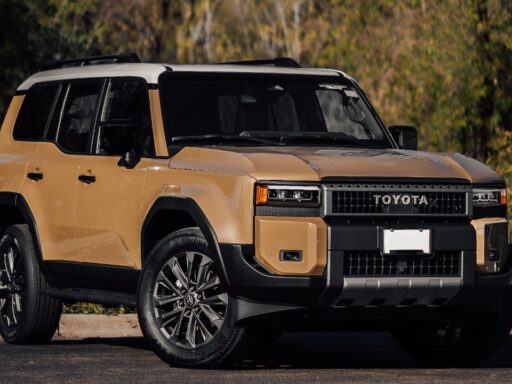
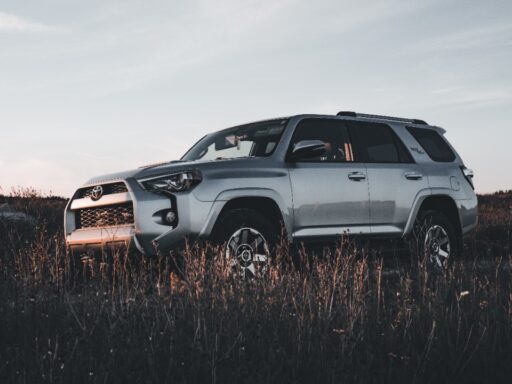
Among the most frequently cited examples are the Toyota 4Runner and Toyota Land Cruiser, which rely on proven V6 or V8 engines, relatively unstressed automatic transmissions, and frames designed to handle heavy towing and off-road abuse. High-mileage owners often report original engines and transmissions still in place past 400,000 miles, with most repairs limited to suspension, cooling, and accessory components. The Lexus GX, which shares much of its hardware with Toyota’s global off-road platforms, shows similar longevity, pairing luxury features with the same underlying durability.
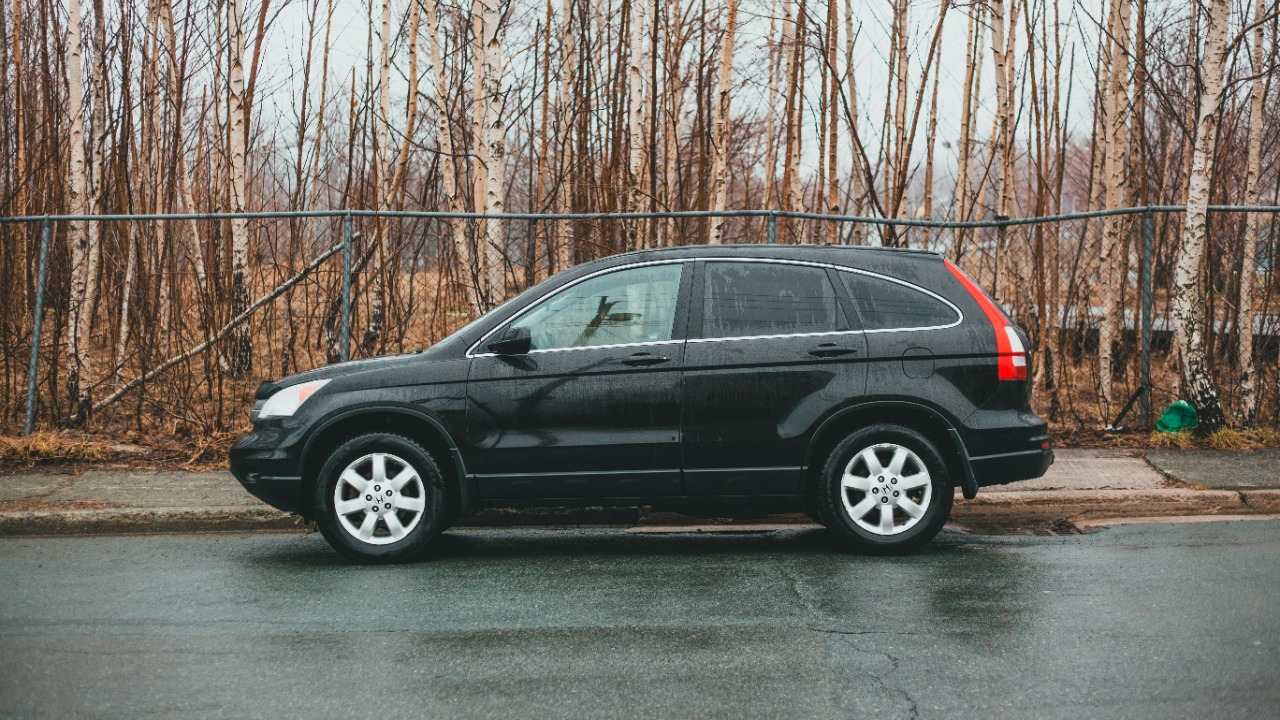
On the crossover side, models like the Honda CR‑V and Toyota RAV4 emerge from mechanic surveys as compact SUVs that can realistically approach 400,000 miles when maintained on schedule. A breakdown of the most reliable vehicles to hit that benchmark highlights these smaller SUVs alongside a handful of sedans and pickups, with technicians pointing to conservative powertrains and consistent build quality across generations, as summarized in a feature on reliable cars that reach 400,000 miles.
Even within the small SUV category, some models stand out. Long-term reliability lists that track owner-reported repairs and warranty data repeatedly elevate the Honda CR‑V, Toyota RAV4, Subaru Forester, and Mazda CX‑5. These vehicles combine car-like unibody construction with efficient four-cylinder engines and, in many cases, naturally aspirated designs that avoid the thermal stress of aggressive turbocharging. A survey of small SUVs with underscores how often these nameplates reach high mileage with relatively modest repair histories.
Design shifts that helped SUVs push past 400,000 miles
Several engineering choices separate SUVs that survive 400,000 miles from those that struggle to reach half that distance. First is drivetrain simplicity. The most durable models tend to use naturally aspirated engines with port fuel injection, avoiding the combination of high boost, direct injection, and complex emissions hardware that can trigger expensive repairs as vehicles age. Mechanics routinely point out that an unstressed V6 or inline-four, serviced with regular oil changes, often outlasts a smaller turbocharged engine that works harder in daily driving.
Transmission design has followed a similar path. While some manufacturers rushed into continuously variable transmissions and high-gear-count automatics, the SUVs that show up with extreme mileage often use conventional torque-converter automatics with fewer gears and long production runs. This gives independent shops time to understand failure patterns and stock affordable replacement parts. Owners of high-mileage 4Runners, CR‑Vs, and RAV4s frequently credit smooth, predictable shifting and regular fluid changes for the absence of major gearbox failures.
Chassis decisions also matter. Body-on-frame SUVs like the Toyota 4Runner and Lexus GX can absorb years of rough roads, towing, and corrosion, since the frame takes the brunt of structural stress and can often be repaired or treated when rust appears. Unibody crossovers that earn similar reputations usually do so by using thick-gauge steel, conservative suspension tuning, and widely available replacement components. In both cases, the ability to rebuild or refresh worn parts without scrapping the vehicle plays a key role in reaching 400,000 miles.
Parts commonality across model years has quietly boosted longevity as well. When an automaker uses the same engine family and core components for a decade or more, aftermarket suppliers invest in high-quality replacements and rebuild kits. Owners of long-lived SUVs benefit from this ecosystem, finding everything from remanufactured transmissions to upgraded cooling systems at reasonable prices, which keeps older vehicles economically viable even as odometers climb.
Why ultra-durable SUVs matter more to drivers right now
High-mileage SUVs are not just a curiosity for enthusiasts. They have become a practical response to rising new-vehicle prices, higher interest rates, and increasing complexity in modern models. For many households, stretching a paid-off SUV from 200,000 miles to 400,000 miles can delay a major purchase by several years and free up thousands of dollars for other expenses. Reliable small SUVs like the Honda CR‑V and Toyota RAV4, which appear repeatedly in long-term reliability rankings, give families a way to keep fuel and maintenance costs manageable while avoiding a new car loan.
There is also a growing environmental angle. Extending the life of an existing vehicle spreads the environmental cost of manufacturing over more years and miles. While newer SUVs may offer better fuel economy or hybrid systems, scrapping a structurally sound vehicle because of a single major repair can carry its own environmental footprint. Owners who keep 4Runners, Land Cruisers, or Foresters on the road past 400,000 miles often do so with a mix of financial and sustainability motivations, choosing targeted repairs over replacement.
For rural drivers and those who depend on their vehicles for work, the ability to trust an SUV at extreme mileage is a matter of livelihood. Contractors, outdoor guides, and delivery operators frequently gravitate toward models with proven durability, since downtime and unexpected failures carry direct business costs. The same mechanic surveys that highlight which SUVs reach 400,000 miles also reveal how often these vehicles serve in demanding roles, from towing trailers to navigating unpaved roads, yet still accumulate enormous mileage totals without catastrophic failures.
Insurance and resale dynamics reinforce this trend. SUVs with strong reputations for longevity tend to hold value even with higher odometer readings, which encourages owners to invest in preventative maintenance. A 12-year-old CR‑V or 4Runner with 200,000 miles can still command meaningful resale prices, reflecting buyer confidence that the vehicle has many serviceable miles left. That confidence, in turn, is built on the documented experiences of drivers who have already crossed the 300,000 or 400,000 mile thresholds.
What the next generation of 400,000‑mile SUVs might look like
The next wave of long-lived SUVs will face a more complex set of engineering and regulatory constraints. Turbocharged engines, direct injection, and strict emissions standards are now common, even in mainstream crossovers. For a new model to match the 400,000‑mile records of older 4Runners or CR‑Vs, manufacturers will need to prioritize durability in components like high-pressure fuel pumps, turbochargers, and particulate filters, while ensuring that software and sensors remain serviceable over decades.
Hybrid SUVs add another layer. Electrified versions of the RAV4, CR‑V, and other compact models pair gasoline engines with electric motors and battery packs that must all survive long-term use. Early hybrid systems in other vehicle segments have demonstrated that batteries can last far longer than many buyers expected, especially when thermal management is well designed. If similar engineering discipline carries over to SUVs, hybrid variants could eventually join the 400,000‑mile club, provided that replacement battery costs remain reasonable for second and third owners.
Connectivity and software support will also shape which SUVs thrive in the long run. As more vehicle functions depend on over-the-air updates and cloud services, long-term reliability will hinge not only on hardware but also on sustained digital support. An SUV that can still receive security patches, navigation data, and diagnostic updates 15 years after launch will be easier to keep on the road than one that loses software backing after a few model cycles.