
The war with Iran has turned the Pentagon’s long-running concern about missile stockpiles into an immediate problem. After months of interceptions, strikes and deterrence missions, senior defense officials are racing to replenish precision weapons that were never designed to be fired at this tempo.
The scramble is reshaping budgets, production plans and alliances as the United States weighs how to deter Iran while staying prepared for other potential conflicts. The rush to refill missile magazines has become a central test of whether American industry and strategy can keep pace with a more demanding era of warfare.
How the Iran conflict exposed gaps in U.S. missile inventories
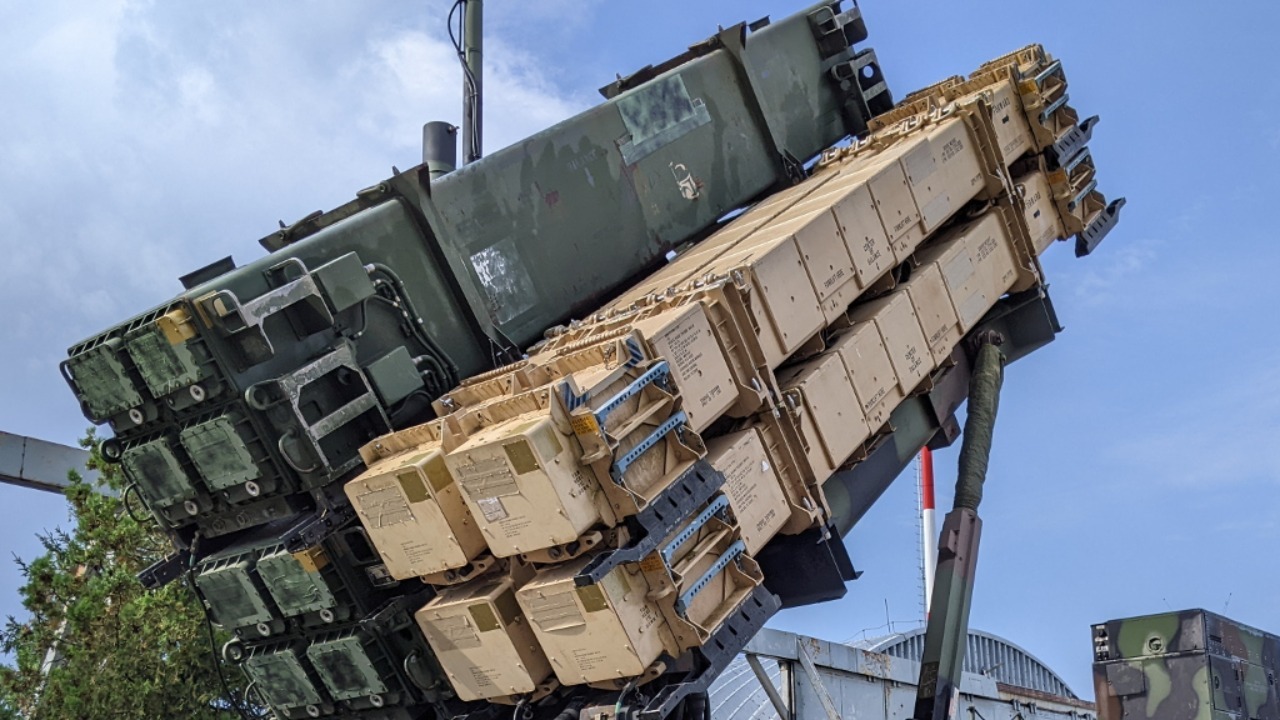
The war with Iran has required a sustained flow of interceptors and long-range missiles, not only for U.S. forces but also for partners that depend on American resupply. U.S. officials have acknowledged that air and missile defense systems supporting Israel and regional bases have been firing interceptors at a rate that strains existing stocks, a pattern confirmed by reporting that Israel told Washington it was running low on during peak exchanges with Iran.
That pressure has extended to U.S. offensive weapons. U.S. forces have used large numbers of cruise missiles and other precision munitions for strikes on Iranian assets and allied militias, and analysts now warn that the Pentagon has already burned through more in the Iran fight than planners had budgeted for some scenarios involving China. The Tomahawk is a key long-range option for the Navy and the joint force, so every missile fired in the Middle East is one that is not available in the Pacific.
Behind the numbers is a structural problem. U.S. missile production lines were calibrated for peacetime demand and occasional surges, not for a prolonged, high-intensity campaign. Reporting on internal assessments describes Pentagon officials warning that current inventories of air defense interceptors and cruise missiles are below what war plans call for in a major conflict, a gap that the Iran war has brought into sharp relief. One analysis of the U.S. role in defending Israel from Iranian attacks noted that Washington had to draw on U.S. missile stockpiles in Europe and other theaters to sustain the pace of intercepts.
The result is a race against time. Every new Iranian salvo, and every U.S. or allied response, deepens the drawdown. Yet any pause in support risks exposing partners to greater danger and undermining deterrence. The Pentagon is trying to rebuild the stockpile while still feeding an active battlefield.
Budget surges, industry windfalls and strategic risk
The most visible response has come in the budget. The U.S. defense establishment is now working with a proposed Pentagon topline of about 1.5 trillion dollars that explicitly reflects the cost of replacing munitions used in the Iran war and expanding capacity for future contingencies. Advocates of higher spending argue that the conflict has revealed years of underinvestment in munitions and that only a sustained increase can close the gap. One detailed breakdown of the proposal describes how the 1.5 trillion dollar plan is paired with a surge in contracts as arms makers race to fill orders linked to the Iran war.
Major defense companies that produce interceptors, cruise missiles and guidance components have responded by extending shifts, hiring workers and promising to expand factory capacity. Long-lead items such as rocket motors and seekers are being ordered in larger batches, and some firms are revisiting mothballed production lines for older models that can still be fielded quickly. Industry executives have told investors that they expect several years of elevated demand as the Pentagon seeks to rebuild stocks and prepare for possible simultaneous crises.
Behind the near-term windfall, however, lies a deeper strategic concern. The Iran war has demonstrated that the United States can consume advanced munitions faster than it can replace them under current arrangements. That imbalance creates risk for other theaters, especially the Indo-Pacific, where any conflict would likely require even larger volumes of precision weapons over a longer period. Analysts who track U.S. inventories warn that if another major contingency erupted while the Pentagon is still refilling after the Iran campaign, commanders could face hard choices about where to send scarce missiles.
The supply chain for key components adds another layer of vulnerability. Many precision weapons rely on high-performance electronics and rare earth magnets that are not fully sourced inside the United States. One recent assessment of U.S. missile stockpiles highlighted how production is constrained by dependency on Chinese, a reliance that complicates any attempt to surge output during a crisis. If geopolitical tensions with Beijing worsen, that dependency could collide with the Pentagon’s need to arm for both the Middle East and the Pacific.
There is also a political dimension. The scale of the proposed budget and the profits flowing to defense contractors have revived debates in Washington about priorities and oversight. Critics argue that funneling 1.5 trillion dollars into the Pentagon without deeper reform risks entrenching a system that rewards volume over efficiency, while supporters counter that the Iran war has proven that munitions are a consumable, not a luxury, and must be funded accordingly.
Rebuilding the arsenal while planning for the next conflict
As the Pentagon races to refill missile stocks, planners are trying to avoid repeating the same vulnerabilities in the next crisis. One line of effort focuses on production. Defense officials are pushing for multiyear procurement contracts for key munitions, which would give manufacturers predictable demand and justify investments in new tooling and workforce training. The goal is to move from a just-in-time model to one that maintains a higher steady state of output, so future surges start from a stronger baseline.
Diversification is another priority. The experience of relying on specific interceptors and cruise missiles in the Iran war has prompted renewed interest in alternative systems that can perform similar missions at lower cost. That includes cheaper interceptors for short-range threats, greater use of air-launched weapons that can be produced in larger numbers, and experimentation with uncrewed platforms that can carry smaller, less expensive munitions. By widening the mix, the Pentagon hopes to avoid burning through a narrow set of premium missiles in every scenario.
Allied cooperation will also shape what comes next. The Iran conflict has underscored how intertwined U.S. and partner stockpiles have become. Israel’s warning that it was running low on interceptors, and Washington’s decision to draw on its own regional stocks to help, showed that shared defense arrangements can quickly spread strain across multiple arsenals. Future planning is likely to include more joint production lines, shared storage sites and coordinated procurement, so that allied forces can both draw from and contribute to common pools of munitions.
Strategists are also rethinking how to manage escalation while conserving inventory. During the Iran war, leaders had to weigh the benefits of intercepting every incoming projectile against the reality that each shot depleted a finite stock. That tension will persist. Some analysts advocate a more tiered approach to air defense, with cheaper systems absorbing routine threats and high-end interceptors reserved for the most dangerous salvos. Others argue for more offensive operations early in a conflict to reduce the volume of incoming fire and relieve pressure on defenders.
Finally, the missile shortfall is feeding a broader conversation about deterrence. If adversaries conclude that the United States cannot sustain high-intensity operations for long, they may be more willing to test red lines. The fact that U.S. officials had to move missiles between theaters to support the Iran fight, as detailed in reporting on U.S. stockpile shifts, will be studied closely in foreign capitals. How quickly the Pentagon can rebuild, and how transparently it signals that progress, will influence perceptions of American staying power.