
Iran’s latest volley of strikes across the Gulf has pierced one of global aviation’s most carefully managed bubbles of stability, leaving Dubai’s flagship airport with damaged infrastructure and injured staff. The incident at Dubai International Airport has exposed how quickly a regional power struggle can spill into the terminals and concourses that usually symbolize safe transit and economic confidence.
Although the physical impact on the airport is described as limited, the symbolism is far larger: a key node in worldwide travel has been pulled directly into the confrontation between Iran, Israel and the United States. For travelers, airlines and Gulf governments alike, the damage at DXB is a warning that the region’s air corridors are no longer insulated from the wider confrontation.
What happened at Dubai International Airport
Local authorities say Dubai International Airport, widely branded as Dubai Airport and coded as DXB, sustained minor structural damage during a wave of Iranian strikes that rippled across the Gulf. According to airport officials, four staff members were injured in the incident, which unfolded as Iran targeted sites linked to United States and Israeli interests in neighboring states, and emergency crews moved quickly to contain fires and secure affected areas inside DUBAI. Officials described the impact on runways and core infrastructure as limited, yet the fact that shrapnel and debris reached one of the world’s busiest travel hubs underlined the reach of the Iranian barrage.
Separate aviation reporting notes that Dubai Airport confirmed the four injuries among ground staff and acknowledged that some terminal areas had to be briefly evacuated. Those accounts describe how Dubai International Airport, or DXB, activated contingency plans to reroute aircraft on approach and hold some departures while safety checks were carried out on aprons and jet bridges. Officials framed the damage as manageable, but the combination of physical impact and operational disruption underscored how directly Iran’s confrontation with rivals has reached into the Gulf’s premier aviation hub.
Casualties across Dubai and Abu Dhabi
While DXB reported four injured staff, the wider human toll across the United Arab Emirates was more severe. One person was killed and 11 injured at facilities in Dubai and Abu, according to early casualty counts linked to the Iranian offensive. These figures include workers and bystanders caught in or near airport facilities as fragments from incoming weapons or intercepted projectiles fell in civilian areas, highlighting how quickly military exchanges can translate into losses far from any declared battlefield.
Accounts from the same incident describe how emergency services in Dubai and Abu Dhabi moved between multiple impact sites as alarms sounded at airports and surrounding districts. The pattern of casualties, with one person killed and 11 injured, reflects both the density of infrastructure around the airports and the relative effectiveness of defensive systems that appear to have prevented much higher loss of life. Yet for families of the dead and wounded, the distinction between a narrowly avoided catastrophe and a direct hit is academic, and the UAE’s leadership now faces pressure to explain how Iran’s strikes could reach such high-profile transport hubs.
Strikes ripple across Gulf aviation hubs
The attack on DXB did not occur in isolation. Iranian forces launched a broader wave of retaliation that targeted multiple Gulf states, including strikes that hit airports in Dubai, Doha, Manama and Kuwait. Regional reporting describes how Dubai airport, described as the world’s busiest for international traffic, and Kuwait’s main airport were among the facilities affected as Iran targeted United States assets in the Gulf. The pattern of impacts suggests a deliberate attempt to pressure Washington and its partners by striking at the civilian infrastructure that underpins their military basing and economic presence.
Within Dubai itself, the strikes extended beyond the airport perimeter. The landmark Burj Al Arab hotel suffered damage, according to reports that describe how the luxury property’s exterior was hit during the same wave that struck DXB and other sites linked to high-end tourism and business. One account notes that both Dubai’s main airport and the Burj Al Arab hotel were damaged after overnight Iranian retaliatory strikes rippled across Gulf states, a combination that struck at both the city’s transport backbone and one of its most recognizable symbols.
Passengers stranded and flights canceled
For travelers, the most immediate impact of the strikes was measured in canceled flights and hours spent in crowded terminals. Data from aviation tracking platforms cited by regional coverage indicate that another 1,500 Middle East were canceled as airspace restrictions and safety checks cascaded through the system. Screens on services such as Flightradar were filled with diversions and holds as airlines tried to reroute aircraft away from threatened corridors while still moving stranded passengers out of the region.
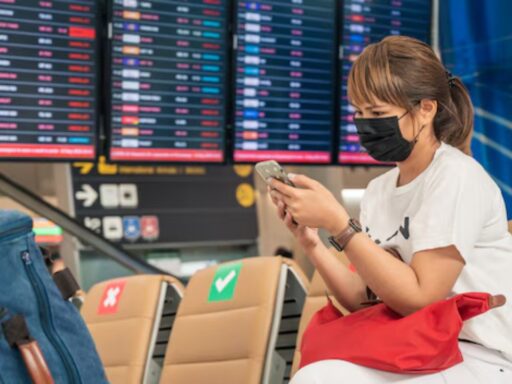
At ground level, images from Dubai International Airport showed passengers sleeping on terminal floors, queuing for rebooking desks and crowding around departure boards that filled with red cancellation notices. Reporting by By Lauren Edmonds, Taylor Rains and Lina Batarags describes how services in and out of DXB remained suspended on some routes until further notice, while other flights operated with significant delays as crews and aircraft were repositioned. Similar scenes played out at other Gulf hubs as the strikes disrupted the tightly choreographed schedules that normally keep long-haul routes between Europe, Asia and Africa flowing through Dubai.
UAE response and regional stakes
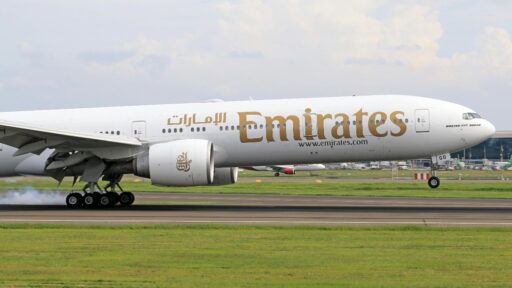
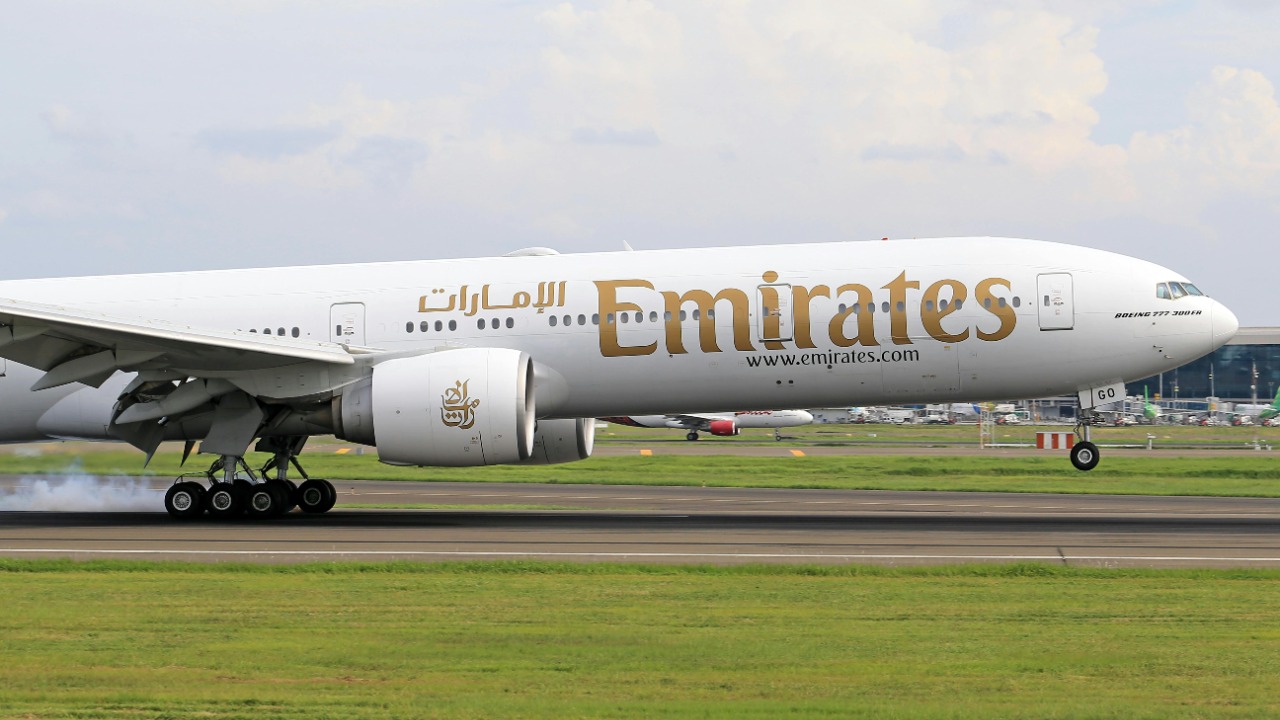
Officials in the United Arab Emirates framed the incident as part of a broader Iranian campaign that targeted United States and Israeli assets after joint strikes earlier in the week. One live update feed described how Airports in Gulf states and at least one hotel were hit as Iran responded to Israeli and United States actions, with an Emirates Boeing 777 seen parked at a damaged gate in Dubai. Local messaging from UAE leaders has tried to balance condemnation of Iran with reassurances that air defenses and contingency plans limited the impact on critical infrastructure.
Within Dubai, authorities highlighted that four staff sustained injuries and received prompt medical attention, and stressed that operations could resume once safety inspections were complete. One account quoted officials saying that due to contingency plans already in place, most of the terminal remained functional even as damaged areas were cordoned off. At the same time, live updates from the UAE’s major economic hub stressed that UAE airspace had been partially closed and that key landmarks in Dubai, including the airport and Burj Al Arab, had sustained damage. The strikes have therefore become both a test of the UAE’s crisis management and a stark reminder that the Gulf’s economic model depends on infrastructure that is now clearly within range of regional adversaries.