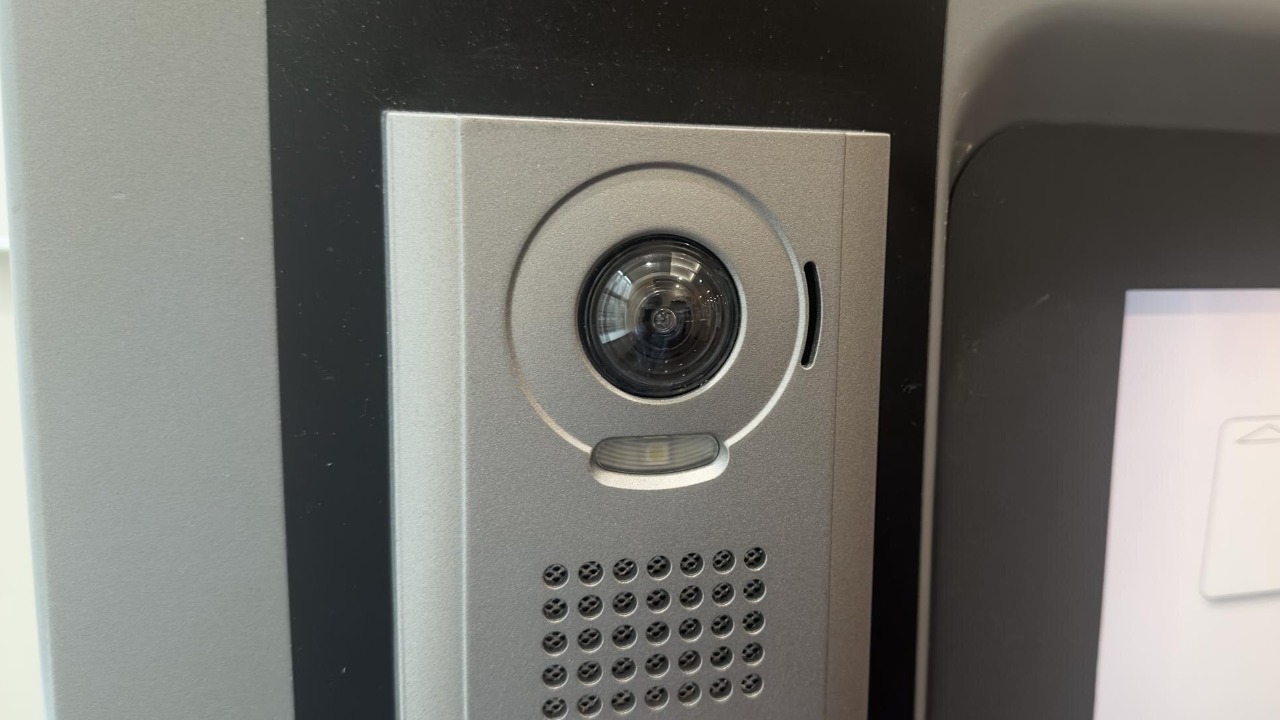

Across social media, a new genre of viral video has emerged: people ripping Ring doorbells off their walls or smashing cameras with hammers. What began as a backlash to a flashy Super Bowl commercial has widened into a broader revolt against what many see as creeping surveillance at their own front doors. Devices that once promised safety and convenience are now, for a growing number of Americans, symbols of corporate data mining, police monitoring, and artificial intelligence that watches more than it protects.
At the center of this shift is a simple question of trust. Ring and its parent company Amazon are asking households to keep feeding their cameras with footage that can be analyzed by artificial intelligence, shared with law enforcement, or stored in corporate systems. A vocal slice of customers is now deciding the tradeoff is not worth it, and their decision is playing out in very public acts of disconnection and destruction.
The Super Bowl moment that broke the spell
The immediate spark for the latest wave of camera removals was Ring’s high profile Super Bowl campaign. In the commercial, Ring introduced a feature called Search Party that uses artificial intelligence and images from its cameras to track a missing dog, reassuring viewers that the same technology could help find lost pets or family members. Reporting on the ad describes how Search Party relies on footage from a network of Ring devices, feeding data for AI analysis and turning a heartwarming story about a dog into a showcase for large scale tracking.
Instead of warm feelings, the ad triggered a wave of anger. Coverage of the reaction notes that videos show people removing their Ring cameras, and that online clips of users disconnecting or destroying their devices have gone viral as a form of protest against the new tracking feature and the broader use of AI on home footage. One detailed account explains how Amazon unveiled a new tracking system that can monitor pets and people, which many viewers interpreted as a preview of a much wider surveillance web built from private doorbells and floodlight cams. The same coverage highlights that the commercial forced Ring to clarify its privacy policies and to defend how it handles the data that flows through Search Party.
From neighborhood watch to neighborhood surveillance
The Super Bowl controversy landed on top of years of concern about how Ring cameras extend surveillance far beyond individual front porches. One analysis of doorbell cameras describes how devices from Amazon’s Ring and Google Nest have jumpstarted a national debate about personal surveillance, especially as advanced artificial intelligence can comb through large volumes of video to identify people, patterns, and movements. What started as a digital peephole now functions as a networked sensor system that can record neighbors, delivery drivers, and strangers walking past on the sidewalk.
Critics argue that this shift has turned neighborhood watch into neighborhood surveillance. A report on the growing backlash notes that public concern centers on how Ring footage and other personal surveillance data is used, including sharing with law enforcement and integration with other tracking technologies. Another account of the Super Bowl fallout points out that Amazon’s smart doorbell maker Ring had pursued a partnership with Flock Safety, a company that uses cameras to read license plates, which intensified fears of a dystopian surveillance society where everyday movements are logged and analyzed. That partnership was later scrapped after the uproar, but the episode reinforced the sense that consumer cameras are increasingly tied to larger systems that monitor entire communities.
Privacy failures and hacked living rooms
Long before the latest ad campaign, Ring had already accumulated a troubling record on privacy and security. The Federal Trade Commission detailed how Ring’s privacy failures led to spying and harassment through home security cameras, describing incidents in which hackers gained access to customer accounts and used the devices to taunt children, shout at families, or live stream private moments. The agency explained that before the days of internet connected devices, the worst outcome from a doorbell ring might have been an annoying sales pitch, but now the footage itself is tied to who people are and what happens inside their homes.
In the settlement that followed, Ring agreed to establish a privacy and security program and to limit how it accesses and uses customer video. The same consumer alert encouraged people to secure their accounts and to report incidents of fraud or abuse through federal portals such as reporting tools and to seek guidance from resources like consumer protection sites. For many households, however, the damage to trust was already done. Stories of strangers speaking through cameras in children’s bedrooms or hackers live streaming from living rooms have lingered in the public imagination, and they now mix with fresh concerns about artificial intelligence scanning every frame.
Biometrics, face recognition and a lawmaker’s warning
Alongside hacking fears, civil liberties groups have zeroed in on Ring’s plans to expand into biometric tracking. A detailed examination by digital rights advocates describes Amazon Ring’s upcoming face recognition feature, which the company calls Familiar Faces. In written answers to questions from EFF, Ring spokesperson Emma Daniels outlined how Familiar Faces is designed to identify known individuals and distinguish them from strangers, including people passing on the sidewalk. The same analysis argues that turning doorbells into face scanners raises significant legal and ethical questions, particularly when the data can be shared with law enforcement or combined with other biometric systems.
Those concerns have reached Capitol Hill. A report on new scrutiny of Ring explains that The Senator’s latest Ring findings intersect with his legislative push, and that alongside Senator Jeff Merkley and Representatives Pr, he has warned of a biometric surveillance crisis. The Senator argued that widespread collection of face and body data through consumer cameras is an unacceptable privacy violation, especially when people have little choice about whether they are recorded while walking down a residential street. A separate profile of Ed Markey underscores how lawmakers are pressing companies like Ring to limit biometric data collection and to give bystanders meaningful protections, not just written policies buried in app settings.
Police partnerships, Flock Safety and the Search Party fallout
The outcry over the Super Bowl ad also collided with long running anxiety about Ring’s relationship with law enforcement. Coverage of the company’s strategy describes how Amazon’s plan was to turn Ring doorbells into a neighborhood surveillance network that could feed video and other data directly to police, often without a warrant. One technology report notes that after Ring faced privacy backlash, the company abandoned plans for a police partnership, a move that signaled how politically sensitive these arrangements have become. Another account of the recent controversy details how Ring canceled its partnership with Flock Safety after surveillance concerns, explaining that Flock uses cameras to read license plates and that critics saw the combined system as a step toward a fully networked monitoring grid.
Even without formal partnerships, the public has grown wary of how easily Ring footage can flow into criminal investigations. A local poll framed around the Nancy Guthrie case, where authorities say video from her Google Nest device is giving investigators key evidence, asked residents whether they agreed with Ring’s decision to end its surveillance partnership with Flock and highlighted how automated cameras can read license plates and track vehicles. National coverage of the broader trend notes that backlash grows over how Ring cameras and other personal surveillance data is used, with privacy advocates warning that the line between private security and public monitoring is blurring in ways most people never consented to when they installed a doorbell.