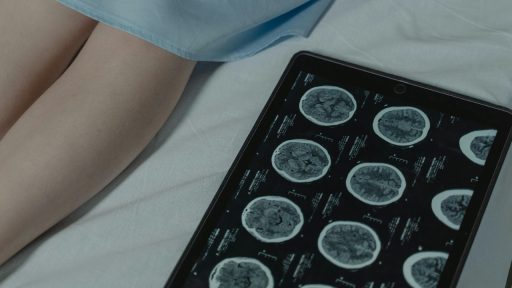
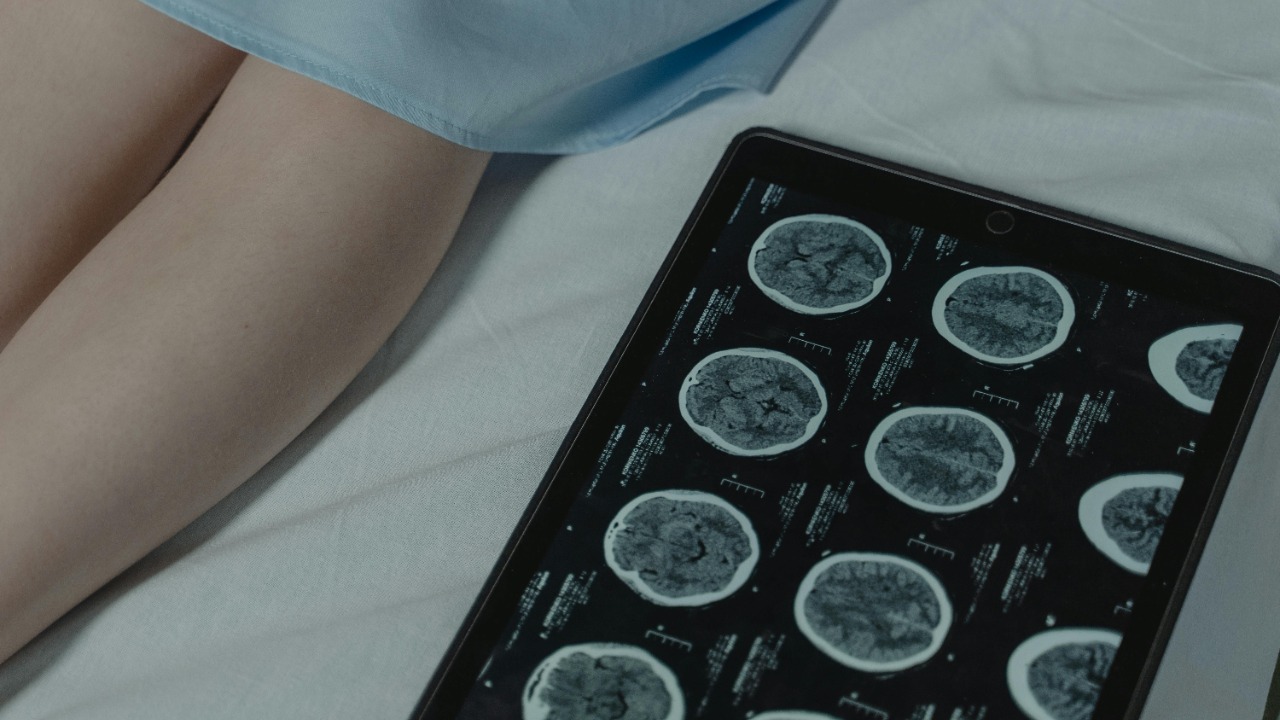

For years, public health debates have framed cannabis as a threat to memory and attention, especially in younger users. Now a new wave of research on middle aged and older adults is pointing in a very different direction, linking lifetime use to larger brain volume and unexpectedly strong performance on cognitive tests. The findings do not turn cannabis into a miracle brain tonic, but they do challenge long standing assumptions about how the drug interacts with the aging brain.
Instead of the shrinkage and decline many experts expected to see, researchers are reporting more robust brain structures and sharper thinking skills in older people who report using cannabis compared with those who never have. The emerging picture is complex, and I see it as a prompt to rethink one size fits all warnings and to ask harder questions about who uses cannabis, how, and why their brains might be aging differently.
What the new brain scans are actually showing
The most striking evidence comes from large imaging studies that compare the brains of cannabis users with those of non users in midlife and beyond. In one project that drew on extensive Biobank data from the United Kingdom, scientists examined middle aged and older adults who reported using cannabis at some point in their lives. Instead of finding the smaller gray matter volumes that have been reported in some younger heavy users, the team observed that people with a history of use tended to have larger overall brain volume and more preserved structures in regions that typically thin with age. The research team found that the relationship between cannabis and these structural measures was positive but also nuanced, and they stressed that it requires further investigation rather than simple celebration.
Those imaging results are echoed in a peer reviewed analysis of lifetime use and brain anatomy that appears in a Dec report labeled as an Abstract with the stated Objective of clarifying how Cannabis affects older adults. That work reports that lifetime cannabis use was associated with larger brain volume in several regions that are central to memory and executive function, and it links those anatomical differences to better performance on neuropsychological tests. Taken together, these imaging findings suggest that, at least in this age group and at the levels of use captured in population samples, cannabis is not eroding brain tissue in the way many clinicians once feared.
Sharper thinking, not slower, in older cannabis users
Brain scans are only part of the story, and what matters most to people in their 50s, 60s, and beyond is whether they can remember appointments, manage finances, and stay mentally nimble. On that front, the same New research that identified larger brain volumes also found that cannabis usage by middle age and older adults was linked to better cognition. Participants who reported using cannabis tended to score higher on tests of processing speed, attention, and problem solving than peers who had never used it, even after accounting for basic demographic factors. That pattern runs directly counter to the assumption that any exposure to cannabis must inevitably dull thinking, and it raises the possibility that, in some contexts, users may be preserving or even enhancing certain aspects of cognitive performance.
Other investigators have drilled down into the relationship between specific brain regions and test scores, and their findings help explain why the cognitive results look so robust. In one analysis highlighted earlier this month, a lead scientist described how, in their dataset, most of the brain regions they examined showed a positive relationship between volume and cognitive performance, and that this pattern held up in people who used cannabis. She emphasized that the results were surprising, because the expectation had been that cannabis would either have no effect or a negative one on these measures. Instead, the data suggest that, at least among older adults in these cohorts, cannabis users are not lagging behind on standard measures of mental sharpness and may even be slightly ahead.
Why older adults are at the center of this shift
The focus on middle aged and older adults is not accidental. Researchers are turning to this group because their cannabis use is rising quickly and because their brains are already undergoing age related changes that can be tracked over time. One scientist involved in the work noted that More older adults are using cannabis, that it is more widely available, and that it is being used for different reasons than in younger folks, including for chronic pain, sleep, and anxiety. At the same time, people are living longer, which means there is a larger population at risk for dementia and other neurodegenerative conditions, and a greater need to understand how lifestyle factors, including drug use, might alter that risk.
These demographic shifts make older adults a kind of natural experiment for scientists who want to see how cannabis interacts with aging brains in the real world. Unlike tightly controlled clinical trials, population based datasets capture people who use cannabis occasionally, socially, or as part of a broader regimen that might include prescription medications and other health behaviors. When I look at the findings that link cannabis use to larger brain volume and better cognitive performance in this group, I see not a simple protective effect but a signal that this population is different from the stereotype of the disengaged, cognitively impaired user. They are often managing jobs, caregiving responsibilities, and complex health conditions, and their cannabis use is woven into that broader context.
Possible mechanisms and the “younger” brain pattern
One of the most intriguing questions is why cannabis users in these studies appear to have brains that look, in some respects, younger than their chronological age. Neuroimaging work described in a recent analysis of aging and cannabis reported that, Among cannabis users, the connections between brain regions that typically weaken with age were actually stronger. Statistically, the relationship between aging related brain changes and cannabis use looked different from what would be expected if the drug were simply accelerating decline. Instead, the pattern hinted that some users might be maintaining more youthful connectivity in networks that support memory and attention.
Scientists are cautious about leaping from these correlations to firm conclusions about cause and effect, but they are beginning to sketch out plausible mechanisms. The brain’s endocannabinoid system, which cannabis taps into, is deeply involved in regulating inflammation, synaptic plasticity, and stress responses, all of which shift as people age. It is possible that, in some older adults, modest cannabis exposure interacts with this system in ways that help stabilize neural circuits or dampen chronic inflammation that would otherwise erode brain tissue. At the same time, I have to acknowledge that these same pathways could be disrupted by heavier or earlier use, which may help explain why the story looks different in adolescents and young adults than it does in people who are decades older.
Why the findings are promising but not a prescription
For anyone tempted to read these studies as a green light to start using cannabis for brain health, the researchers themselves offer a more restrained message. The team that analyzed the Biobank data in the United Kingdom has been explicit that the relationship between cannabis and brain health is complex and nuanced, and that their findings should not be interpreted as proof that cannabis is universally beneficial. They point out that their participants were not necessarily heavy daily users, that the data rely on self reported histories, and that unmeasured factors such as education, income, or overall health could be shaping both cannabis use and brain outcomes.For years, public health debates have framed cannabis as a threat to memory and attention, especially in younger users. Now a new wave of research on middle aged and older adults is pointing in a very different direction, linking lifetime use to larger brain volume and unexpectedly strong performance on cognitive tests. The findings do not turn cannabis into a miracle brain tonic, but they do challenge long standing assumptions about how the drug interacts with the aging brain.
Instead of the shrinkage and decline many experts expected to see, researchers are reporting more robust brain structures and sharper thinking skills in older people who report using cannabis compared with those who never have. The emerging picture is complex, and I see it as a prompt to rethink one size fits all warnings and to ask harder questions about who uses cannabis, how, and why their brains might be aging differently.
What the new brain scans are actually showing
The most striking evidence comes from large imaging studies that compare the brains of cannabis users with those of non users in midlife and beyond. In one project that drew on extensive Biobank data from the United Kingdom, scientists examined middle aged and older adults who reported using cannabis at some point in their lives. Instead of finding the smaller gray matter volumes that have been reported in some younger heavy users, the team observed that people with a history of use tended to have larger overall brain volume and more preserved structures in regions that typically thin with age. The research team found that the relationship between cannabis and these structural measures was positive but also nuanced, and they stressed that it requires further investigation rather than simple celebration.
Those imaging results are echoed in a peer reviewed analysis of lifetime use and brain anatomy that appears in a Dec report labeled as an Abstract with the stated Objective of clarifying how Cannabis affects older adults. That work reports that lifetime cannabis use was associated with larger brain volume in several regions that are central to memory and executive function, and it links those anatomical differences to better performance on neuropsychological tests. Taken together, these imaging findings suggest that, at least in this age group and at the levels of use captured in population samples, cannabis is not eroding brain tissue in the way many clinicians once feared.
Sharper thinking, not slower, in older cannabis users
Brain scans are only part of the story, and what matters most to people in their 50s, 60s, and beyond is whether they can remember appointments, manage finances, and stay mentally nimble. On that front, the same New research that identified larger brain volumes also found that cannabis usage by middle age and older adults was linked to better cognition. Participants who reported using cannabis tended to score higher on tests of processing speed, attention, and problem solving than peers who had never used it, even after accounting for basic demographic factors. That pattern runs directly counter to the assumption that any exposure to cannabis must inevitably dull thinking, and it raises the possibility that, in some contexts, users may be preserving or even enhancing certain aspects of cognitive performance.
Other investigators have drilled down into the relationship between specific brain regions and test scores, and their findings help explain why the cognitive results look so robust. In one analysis highlighted earlier this month, a lead scientist described how, in their dataset, most of the brain regions they examined showed a positive relationship between volume and cognitive performance, and that this pattern held up in people who used cannabis. She emphasized that the results were surprising, because the expectation had been that cannabis would either have no effect or a negative one on these measures. Instead, the data suggest that, at least among older adults in these cohorts, cannabis users are not lagging behind on standard measures of mental sharpness and may even be slightly ahead.
Why older adults are at the center of this shift
The focus on middle aged and older adults is not accidental. Researchers are turning to this group because their cannabis use is rising quickly and because their brains are already undergoing age related changes that can be tracked over time. One scientist involved in the work noted that More older adults are using cannabis, that it is more widely available, and that it is being used for different reasons than in younger folks, including for chronic pain, sleep, and anxiety. At the same time, people are living longer, which means there is a larger population at risk for dementia and other neurodegenerative conditions, and a greater need to understand how lifestyle factors, including drug use, might alter that risk.
These demographic shifts make older adults a kind of natural experiment for scientists who want to see how cannabis interacts with aging brains in the real world. Unlike tightly controlled clinical trials, population based datasets capture people who use cannabis occasionally, socially, or as part of a broader regimen that might include prescription medications and other health behaviors. When I look at the findings that link cannabis use to larger brain volume and better cognitive performance in this group, I see not a simple protective effect but a signal that this population is different from the stereotype of the disengaged, cognitively impaired user. They are often managing jobs, caregiving responsibilities, and complex health conditions, and their cannabis use is woven into that broader context.
Possible mechanisms and the “younger” brain pattern
One of the most intriguing questions is why cannabis users in these studies appear to have brains that look, in some respects, younger than their chronological age. Neuroimaging work described in a recent analysis of aging and cannabis reported that, Among cannabis users, the connections between brain regions that typically weaken with age were actually stronger. Statistically, the relationship between aging related brain changes and cannabis use looked different from what would be expected if the drug were simply accelerating decline. Instead, the pattern hinted that some users might be maintaining more youthful connectivity in networks that support memory and attention.
Scientists are cautious about leaping from these correlations to firm conclusions about cause and effect, but they are beginning to sketch out plausible mechanisms. The brain’s endocannabinoid system, which cannabis taps into, is deeply involved in regulating inflammation, synaptic plasticity, and stress responses, all of which shift as people age. It is possible that, in some older adults, modest cannabis exposure interacts with this system in ways that help stabilize neural circuits or dampen chronic inflammation that would otherwise erode brain tissue. At the same time, I have to acknowledge that these same pathways could be disrupted by heavier or earlier use, which may help explain why the story looks different in adolescents and young adults than it does in people who are decades older.
Why the findings are promising but not a prescription
For anyone tempted to read these studies as a green light to start using cannabis for brain health, the researchers themselves offer a more restrained message. The team that analyzed the Biobank data in the United Kingdom has been explicit that the relationship between cannabis and brain health is complex and nuanced, and that their findings should not be interpreted as proof that cannabis is universally beneficial. They point out that their participants were not necessarily heavy daily users, that the data rely on self reported histories, and that unmeasured factors such as education, income, or overall health could be shaping both cannabis use and brain outcomes.