
Summer heat can turn bedrooms, offices, cars and outdoor spaces into uncomfortable environments. High temperatures are more than an inconvenience during a heatwave; they can contribute to dehydration, heat exhaustion and heat stroke, particularly among older adults, children, outdoor workers and people with certain medical conditions.
The most effective protection is access to a properly cooled indoor space. Smaller gadgets cannot replace air conditioning during dangerous heat, but they can improve comfort, support hydration and make everyday activities more manageable.
The Centers for Disease Control and Prevention advises people to stay cool, remain hydrated and monitor local heat-risk information during hot weather. The following eight gadgets can support those steps at home, at work and while travelling.
1. A Rechargeable Portable Fan
A rechargeable fan is one of the simplest gadgets for dealing with warm rooms, power interruptions and outdoor activities.
Compact versions can sit on a desk, clip onto furniture or fit inside a travel bag. Larger battery-powered floor fans can move considerably more air and may remain useful during short electricity outages.
Fans improve comfort by increasing air movement across the skin. This helps sweat evaporate, which supports the body’s natural cooling process. Their effectiveness is greatest when the surrounding air is not dangerously hot and humid.
A portable fan can be especially useful beside a bed, at a workstation or in a room where central cooling does not circulate evenly. Models with several speed settings provide more control, while an oscillation function spreads airflow across a wider area.
Battery capacity should be considered alongside fan power. A small fan may advertise a long runtime only at its lowest setting, while maximum speed can drain the battery much faster.
Fans should not be treated as complete protection during extreme heat. The National Weather Service’s heat-safety guidance emphasizes moving to air-conditioned spaces and taking stronger precautions when temperatures become dangerous.
2. A Wearable Neck Fan
A wearable neck fan provides hands-free airflow while walking, commuting, cooking or completing light outdoor work.
Most designs rest around the neck and direct air toward the face and upper body. Some use exposed fan blades, while others move air through vents built into a smooth collar.
The main advantage is portability. Unlike a desk fan, the airflow moves with the user. It can make a hot train platform, workshop or outdoor event more comfortable without requiring access to a power outlet.
A neck fan does not significantly lower the surrounding air temperature. It creates a personal cooling effect by moving air over a limited area of the body.
Models should be selected carefully. Long hair, loose clothing and jewellery can become caught in products with exposed blades. Bladeless or enclosed designs may be safer for some users.
Runtime, weight and noise are also important. A powerful model may become uncomfortable if it is heavy or produces noticeable sound close to the ears.
Wearable fans are best used as a comfort tool rather than a medical safeguard. Anyone experiencing dizziness, confusion, nausea or weakness during hot weather should stop activity and move to a cooler location.
3. A Cooling Towel
A cooling towel uses evaporation to create a temporary cooling sensation around the neck, forehead or shoulders.
The towel is soaked in water, wrung out and then placed against the skin. As the remaining moisture evaporates, it absorbs heat from the surrounding surface.
Cooling towels are useful because they require no electricity, take up little space and can be reactivated with more water. They are practical for exercise, gardening, hiking, travel and outdoor work.
Their performance depends on humidity. Evaporation happens more slowly when the air already contains large amounts of moisture, so the towel may feel less effective during very humid conditions.
The material also needs regular washing. A damp towel left inside a closed bag can develop unpleasant odours or support microbial growth.
A cooling towel can provide relief, but it should be combined with shade, rest and regular hydration. The CDC’s extreme-heat recommendations advise limiting strenuous activity during the hottest periods and using active cooling measures when necessary.
4. An Insulated Water Bottle
An insulated bottle helps keep drinking water cold for several hours, making hydration more appealing during hot weather.
Vacuum-insulated stainless-steel bottles reduce heat transfer between the liquid and the surrounding environment. They are especially useful inside hot cars, on outdoor job sites and during long journeys.
A reusable bottle also makes water intake easier to track. A person who knows the container’s capacity can estimate how much they have consumed throughout the day.
The CDC recommends carrying a water bottle in hot weather and drinking regularly rather than waiting until severe thirst develops. People completing moderate physical activity in the heat may require frequent fluid intake, although individual needs vary according to health, exertion and environmental conditions.
A wide opening makes the bottle easier to clean and allows ice to be added. A leak-resistant lid is useful for bags and vehicles, while a straw lid may make frequent sipping more convenient.
The bottle should be cleaned daily, particularly around seals, mouthpieces and straws. These areas can retain moisture and residue even when the main container appears clean.
People who have been instructed to limit fluids because of kidney, heart or other medical conditions should follow their healthcare provider’s advice rather than general hydration recommendations.
5. A Smart Thermostat
A smart thermostat can improve home comfort by automatically managing air-conditioning schedules.
It can lower the temperature before residents return home, reduce unnecessary cooling while the property is empty and maintain different settings throughout the day.
Many models can be controlled through a phone, allowing a homeowner to adjust the cooling system remotely. Some also provide energy-use reports, maintenance reminders and alerts when indoor temperatures rise unexpectedly.
The main benefit is not simply making the home colder. It is using the cooling system more deliberately.
A thermostat may reduce waste by avoiding excessive cooling during unoccupied periods. However, energy savings depend on the building, climate, equipment and the schedule selected by the user.
Compatibility should be checked before purchase. Older heating and cooling systems may require additional wiring, and some homes do not have the common wire needed to power certain smart thermostats.
During dangerous heat, energy-saving schedules should not place vulnerable occupants at risk. Older adults, infants and people with medical conditions may require more stable indoor temperatures.
A smart thermostat becomes particularly useful when paired with efficient cooling equipment, good insulation and sealed windows rather than being treated as a standalone solution.
6. An Energy-Efficient Room Air Conditioner
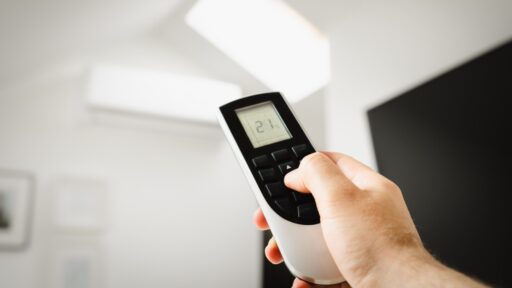
A room air conditioner is the most substantial gadget on this list, but it can also provide the most meaningful reduction in indoor heat.
Window units and through-wall systems cool and dehumidify a defined area rather than the entire home. They may be practical for bedrooms, home offices and apartments without central air conditioning.
The unit should be properly sized for the room. An undersized machine may run continuously without reaching the target temperature, while an oversized unit can cool too quickly without removing enough humidity.
The ENERGY STAR room air-conditioner guide helps consumers compare efficient models and understand purchasing considerations. Variable-output systems can regulate temperature more steadily and may operate more quietly than basic fixed-speed designs.
Installation quality is also important. Gaps around a window unit allow hot outdoor air to enter and cool indoor air to escape. The air filter must be cleaned or replaced according to the manufacturer’s instructions because restricted airflow reduces performance.
Portable hose-based air conditioners are easier to move, but they can be less efficient than properly installed window models. Buyers should examine cooling capacity, room-size guidance, noise and energy consumption before selecting one.
7. Blackout or Heat-Blocking Window Shades
Windows allow sunlight to enter a room and heat floors, furniture and interior surfaces. Heat-blocking shades or blackout curtains can reduce this solar gain.
Some products use reflective layers, insulated fabric or cellular structures that create pockets of trapped air. They are especially useful on windows that receive intense afternoon sunlight.
The shades work best when closed before the room becomes hot. Waiting until direct sunlight has already heated the interior reduces their immediate effect.
Unlike air conditioners, window coverings use no electricity. They can reduce the amount of work required from the cooling system and improve comfort near exposed windows.
The product should fit the opening closely. Large gaps around the sides allow light and heat to enter. External shutters or awnings can be even more effective because they stop sunlight before it passes through the glass, although they require more complicated installation.
Tenants who cannot make permanent alterations may prefer removable thermal curtains, tension-mounted shades or reflective inserts designed for temporary use.
Blackout products also improve sleep by reducing early morning sunlight, which may be useful when hot weather already makes rest difficult.
8. A Digital Indoor Thermometer and Humidity Monitor
People often judge indoor conditions by how they feel, but comfort can change gradually enough that dangerous heat is not immediately recognized.
A digital thermometer provides a clear reading of the indoor temperature. Models with humidity sensors add useful context because high humidity slows the evaporation of sweat and can make the environment feel significantly hotter.
Some monitors record daily maximum and minimum readings, while connected versions send phone alerts when the room exceeds a selected threshold.
This can be valuable in nurseries, bedrooms, home offices and rooms occupied by older family members. It may also reveal that one section of the house is much hotter than another.
A temperature sensor does not cool the room, but it supports better decisions. It can show when opening windows is no longer helping, when a room air conditioner needs to be turned on or when residents should move to a cooler location.
The CDC’s HeatRisk resources encourage people to monitor conditions and take recommended action before heat becomes a medical emergency.
Sensors should be placed away from direct sunlight, ovens, air vents and electronic equipment that may distort the reading.
Choosing the Right Summer Gadget
The most useful purchase depends on the environment.
A person commuting on public transport may benefit most from a neck fan and insulated bottle. Someone working from home may gain more from a room air conditioner, smart thermostat or heat-blocking shades.
Battery runtime matters for portable products. For household equipment, energy efficiency, noise and room size are more important.
Cooling gadgets should also be easy to maintain. Fans collect dust, bottle lids retain residue, air conditioners require filter cleaning and damp towels must be washed regularly.
Cheap products can still be useful, but electrical items should come from reputable manufacturers and include appropriate safety certification for the country where they are used.
Gadgets Cannot Replace Heat Safety
Summer accessories can improve comfort, but extreme heat requires more than personal devices.
People should spend time in cooled buildings, drink water regularly, reduce strenuous activity and check on vulnerable relatives or neighbours. A cooling centre, library, shopping centre or other air-conditioned public location may be safer than remaining in a dangerously hot home.
Warning signs of heat exhaustion can include heavy sweating, weakness, headache, nausea and dizziness. Confusion, loss of consciousness or extremely high body temperature may indicate heat stroke and require urgent medical assistance.
The best summer gadgets are those that support a larger heat plan. A fan, water bottle or cooling towel can help during normal hot weather, while an efficient air conditioner and reliable temperature monitor provide stronger protection when conditions become severe.