
The full-size pickup truck market remains one of the most competitive segments in the automotive industry.
For 2026, manufacturers are continuing to improve their trucks with updated powertrains, advanced technology, improved towing capability, better fuel efficiency, and expanded electric options.
Buyers now have more choices than ever, ranging from traditional gasoline-powered work trucks to hybrid and fully electric pickups.
The competition is no longer only about horsepower and towing numbers.
Modern truck buyers are also comparing interior quality, driver-assistance systems, payload capacity, operating costs, off-road capability, and long-term reliability.
The 2026 full-size pickup segment includes established leaders, redesigned models, and new competitors attempting to challenge traditional truck dominance.
Ford F-150: Continuing the Market Leadership
The Ford F-150 remains one of the most important vehicles in the full-size truck category.
Its success comes from offering a wide range of configurations for different buyers.
The lineup includes:
Gasoline engines.
Hybrid powertrains.
High-performance versions.
Heavy-duty-inspired capability packages.
The F-150 PowerBoost hybrid continues to attract buyers who want improved efficiency without giving up truck capability.
Ford also focuses heavily on technology, including advanced towing features, connected services, and driver-assistance systems.
The Ford F-150 remains a benchmark for balancing work capability and daily usability.
Chevrolet Silverado 1500: Strength and Versatility
The Chevrolet Silverado 1500 competes directly with the F-150 by focusing on capability, durability, and configuration choices.
The Silverado offers multiple engine options, including gasoline and diesel choices designed for different customer needs.
Key strengths include:
Strong towing capability.
Large bed options.
Practical interior layouts.
Available off-road models.
The Silverado 1500 continues to appeal to buyers who need a truck that can handle both personal and professional tasks.
Ram 1500: Comfort-Focused Truck Design
The Ram 1500 has built its reputation around combining truck capability with premium interior comfort.
Unlike some competitors that focus mainly on work features, Ram has invested heavily in cabin design and ride quality.
The truck offers:
High-quality interior materials.
Advanced infotainment systems.
Powerful engine options.
Available off-road capability.
The Ram 1500 remains attractive to buyers who use their truck as both a work vehicle and everyday transportation.
Toyota Tundra: Challenging the Established Players
Toyota redesigned the Tundra in recent years to compete more aggressively in the full-size truck segment.
The latest generation introduced updated architecture, modern technology, and hybrid powertrain options.
The Tundra focuses on:
Reliability reputation.
Strong towing performance.
Modern cabin technology.
Off-road capability through TRD packages.
Toyota’s reputation for durability gives the Tundra a strong position among buyers who prioritize long-term ownership.
GMC Sierra 1500: Premium Truck Appeal
The GMC Sierra 1500 shares engineering with the Chevrolet Silverado but targets a different customer group.
GMC positions the Sierra as a more premium truck with additional luxury features.
Available features include:
Upscale interior options.
Advanced camera systems.
Premium materials.
Off-road-focused AT4 models.
The Sierra appeals to buyers who want truck capability combined with a more refined ownership experience.
Nissan Titan: A Different Approach
Although Nissan’s position in the full-size truck market has changed, the Titan remains part of the competitive landscape.
The Titan has traditionally focused on:
Simple durability.
Strong V8 performance.
Straightforward truck capability.
Nissan has faced stronger competition from Ford, GM, Toyota, and Ram, but the Titan has maintained a group of loyal customers who value its approach.
Tesla Cybertruck: The Electric Disruptor
The Tesla Cybertruck introduced a completely different design philosophy to the pickup market.
Instead of following traditional truck styling, Tesla created a futuristic electric pickup focused on:
Electric performance.
High technology.
Unique design.
Long-range capability.
The Cybertruck has attracted attention because of its acceleration, software features, and unconventional appearance.
However, traditional truck buyers continue evaluating practical factors such as towing range, charging availability, and everyday usability.
The Tesla Cybertruck represents the growing influence of electric vehicles in the pickup segment.
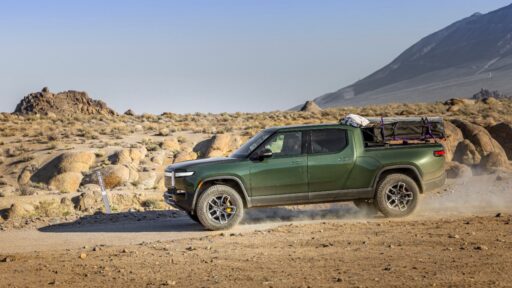
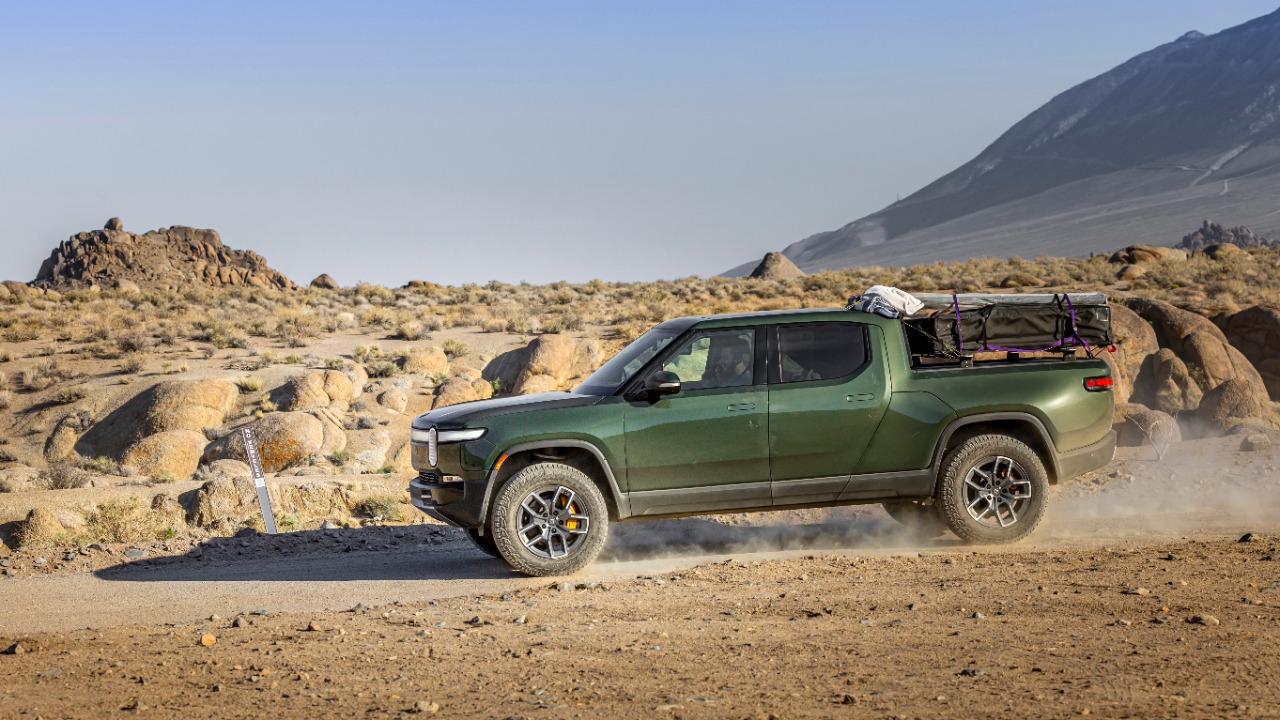
Rivian R1T: Premium Electric Adventure Truck
The Rivian R1T targets buyers looking for an electric pickup designed around outdoor lifestyles.
Its strengths include:
Electric performance.
Advanced all-wheel-drive capability.
Innovative storage solutions.
Adventure-focused features.
The R1T competes differently from traditional work trucks.
Instead of replacing heavy-duty pickups, it focuses on customers who want an electric vehicle with truck functionality.
The Rivian R1T demonstrates how electric trucks are creating new categories within the pickup market.
GMC Hummer EV Pickup: Maximum Electric Performance
The GMC Hummer EV Pickup combines extreme capability with electric power.
It focuses on:
High output.
Off-road performance.
Large battery capacity.
Advanced technology.
Features such as four-wheel steering and specialized off-road systems position it as a premium performance truck.
However, its size, weight, and price place it in a different category from traditional half-ton pickups.
Chevrolet Silverado EV: Electric Truck for Mainstream Buyers
The Silverado EV represents General Motors’ attempt to bring electric pickup technology to a broader audience.
Compared with performance-focused electric trucks, the Silverado EV emphasizes practicality.
Its goals include:
Competitive range.
Truck utility.
Modern technology.
Daily usability.
Electric pickup adoption depends heavily on improving charging infrastructure and customer confidence.
The Silverado EV is part of GM’s broader electric vehicle strategy.
Ram 1500 REV: Entering the Electric Competition
Ram is also preparing to compete in the electric pickup market with the Ram 1500 REV.
The model is expected to bring Ram’s traditional focus on comfort and capability into an electric format.
The company aims to combine:
Electric efficiency.
Truck performance.
Interior refinement.
Practical capability.
The arrival of more electric pickups will increase competition and give buyers more choices.
Key Factors Buyers Compare in 2026
Full-size pickup buyers typically evaluate several major areas before purchasing.
Towing and Payload
For many truck owners, capability remains the most important factor.
Maximum towing ratings, payload capacity, trailer technology, and engine performance influence buying decisions.
Powertrain Options
The market now includes more choices than traditional gasoline engines.
Buyers can choose from:
Gasoline.
Diesel.
Hybrid.
Battery electric.
Each option provides different advantages depending on usage.
Interior Technology
Modern trucks are becoming more like premium SUVs.
Features such as:
Large displays.
Advanced connectivity.
Digital dashboards.
Driver assistance.
are increasingly important.
Fuel Economy and Operating Costs
Fuel prices and maintenance costs influence long-term ownership decisions.
Hybrid and electric trucks aim to reduce operating expenses, while diesel models continue offering efficiency advantages for certain workloads.
Off-Road Capability
Off-road truck demand has increased significantly.
Manufacturers now offer dedicated packages with:
All-terrain tires.
Suspension upgrades.
Protective equipment.
Specialized driving modes.
The 2026 Truck Market Has More Choices Than Ever
The full-size pickup segment in 2026 represents a transition period.
Traditional truck manufacturers continue improving gasoline and hybrid models while new electric competitors introduce different approaches.
Ford, Chevrolet, Ram, Toyota, and GMC continue competing through capability and reliability.
Tesla, Rivian, and other electric-focused brands are changing expectations around performance and technology.
The best truck depends on the buyer’s priorities.
A contractor may prioritize towing and durability.
A family buyer may focus on comfort and technology.
An outdoor enthusiast may prefer off-road capability.
An EV buyer may prioritize efficiency and software features.
The 2026 full-size pickup market is no longer defined by one formula.
It is a competition between different ideas of what a modern truck should be.