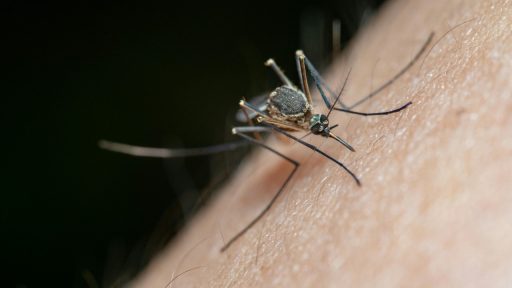
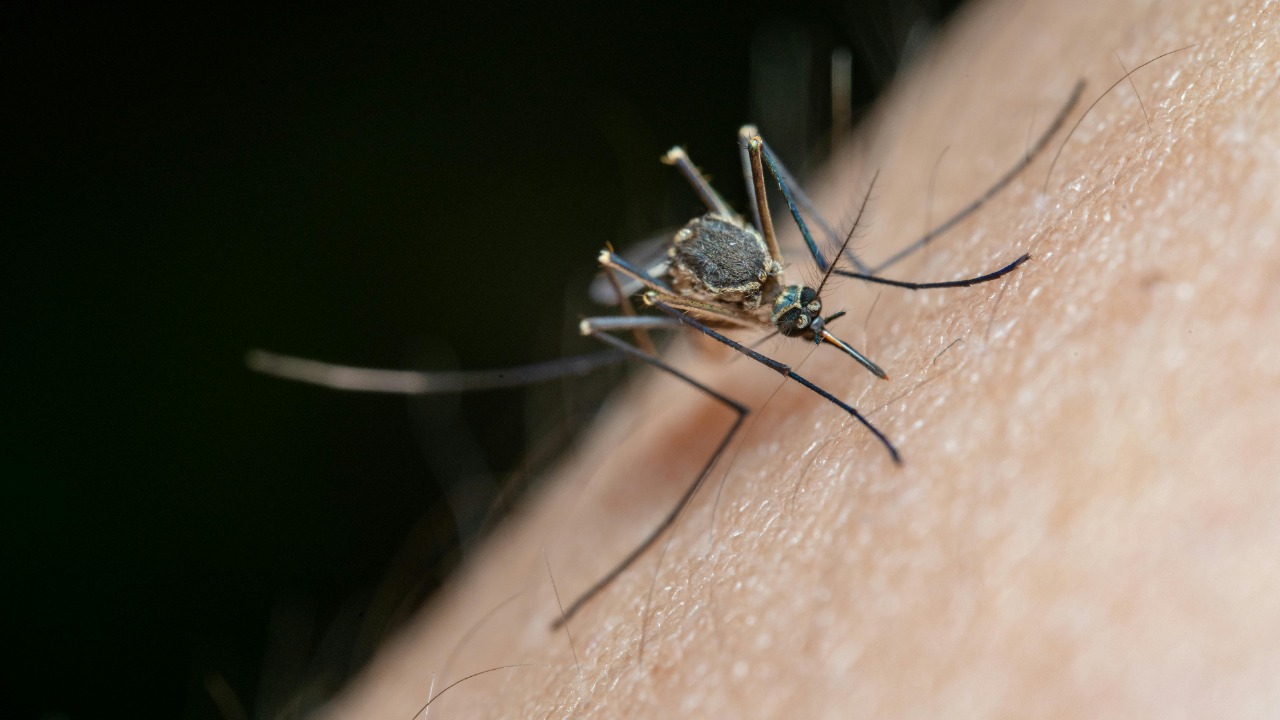

Mosquito bites are often recognised by an itchy red bump, but not every bite produces an immediate or obvious reaction. Some people feel nothing while the mosquito feeds, while others develop only a small mark hours later. By then, the insect has disappeared and the exposure is easily forgotten.
That matters because the size, itchiness or visibility of a bite does not reveal whether the mosquito carried a virus or parasite. Most mosquitoes are harmless nuisances, and only certain species transmit disease. However, infected mosquitoes can spread illnesses including dengue, malaria, West Nile virus, chikungunya, Zika and Japanese encephalitis.
Health agencies are paying closer attention as invasive mosquito species expand into new areas, warmer conditions extend seasonal activity and international travel moves viruses between regions. The danger is not that every hidden bite will cause illness. It is that relying on visible skin reactions alone can create a false sense of security.
A Mosquito Can Feed Before Its Victim Realises It
A female mosquito pierces the skin with a specialised mouthpart and injects saliva while taking a blood meal. The saliva contains substances that help the insect feed by affecting clotting and the local response around the bite.
The familiar swelling and itch are produced largely by the body’s reaction to components of that saliva. According to the US Centers for Disease Control and Prevention, some people develop a small bump within minutes, while others experience delayed bumps a day or more later. Some individuals have only a very mild reaction.
A person may therefore be bitten without feeling a sharp sensation or seeing an immediate mark. Previous exposure, age and individual immune responses can all influence how noticeable the reaction becomes.
Disease transmission can occur during the feeding process, before an itchy bump has formed. The absence of visible bites after a barbecue, holiday or evening outdoors does not prove that no mosquito exposure occurred.
Thin Clothing Does Not Always Provide Complete Protection
Covering the skin reduces exposure, but the type of clothing matters. Mosquitoes may bite through thin or tightly fitted fabric when it sits directly against the skin.
The CDC recommends loose-fitting, long-sleeved shirts and long trousers because the space between fabric and skin makes feeding more difficult. Its travel bite-prevention guidance specifically warns that mosquitoes can bite through thin clothing.
Hidden bites may appear around the ankles, hairline, neck, wrists or areas where clothing has shifted. Mosquitoes can also reach skin through open footwear, sleeve gaps and trouser cuffs.
Permethrin-treated clothing and equipment can provide additional protection, but permethrin products intended for fabric should not be applied directly to the skin. Skin protection should come from a properly approved repellent used according to its label.
Mosquito Risk Is Not Limited to Dusk
The traditional warning to avoid mosquitoes around sunset applies to some important species, but it is not a complete rule.
Culex mosquitoes that can spread West Nile virus are often most active from dusk to dawn. Many Anopheles mosquitoes associated with malaria also feed mainly during evening and nighttime hours.
Aedes mosquitoes behave differently. The species responsible for transmitting dengue, chikungunya and Zika commonly feed during daylight, particularly in the early morning and late afternoon. They can also live close to homes and may bite indoors as well as outside.
The World Health Organization’s dengue guidance describes Aedes mosquitoes as daytime feeders that frequently live around human housing. WHO also notes that female Aedes aegypti may bite more than one person during a feeding period, potentially increasing transmission opportunities when a virus is circulating.
This means a person can be bitten while gardening, sitting in an office, visiting a café or sleeping during the day. Protection aimed only at nighttime exposure may miss part of the risk.
A Hidden Bite May Be Followed by No Symptoms at All
Another reason mosquito-borne infections remain difficult to detect is that some infected people never feel ill.
Approximately 80% of people infected with West Nile virus develop no symptoms, according to the CDC’s West Nile clinical guidance. A smaller proportion develops fever, headache, fatigue, body aches, vomiting, diarrhoea or rash. Rare infections affect the brain and nervous system, potentially causing meningitis, encephalitis, paralysis or death.
Asymptomatic infection does not mean every person should be tested after an unnoticed bite. Routine testing is generally based on symptoms, travel history and local disease activity. It does show why counting visible bites or obvious illness cannot provide a complete picture of community transmission.
Some viruses can also be carried from one place to another by travellers who have not yet developed symptoms. A local Aedes mosquito may bite an infected traveller and later transmit the virus to someone else, creating the conditions for local dengue or chikungunya cases.
Mosquito-Borne Diseases Are Appearing in New Places
Mosquito risk remains highest in regions where specific vectors and pathogens are already established. However, the boundaries are changing.
WHO reported that 2024 produced the highest global dengue burden recorded to that point, with cases reported across more than 100 countries. The organisation linked the trend to expanding transmission zones, urbanisation, movement of people and environmental conditions favourable to mosquitoes.
Europe has also recorded a continuing expansion of invasive Aedes mosquitoes. The European Centre for Disease Prevention and Control reported in its 2026 distribution update that invasive species had become established in dozens of additional administrative areas since the previous mapping period.
This does not mean tropical diseases are now equally likely everywhere. Transmission still depends on the presence of a competent mosquito, suitable weather and an infected human or animal host. The expansion does mean that travellers and residents cannot always rely on older assumptions about where particular mosquitoes live.
Bite Prevention Works Better Than Searching for Marks Afterwards
Because mosquito bites can be subtle, delayed or completely unnoticed, protection needs to begin before exposure.
The CDC recommends repellents registered with the relevant national regulator. In the United States, recognised active ingredients include DEET, picaridin, IR3535, oil of lemon eucalyptus, para-menthane-diol and 2-undecanone. Products should be selected for the user’s age and applied exactly as directed.
The agency’s mosquito-bite prevention advice also recommends loose clothing, intact window and door screens, air conditioning where available and routine removal of standing water. Containers such as buckets, plant saucers, toys, tyres and birdbaths can support breeding and should be emptied, covered or cleaned regularly.
Repellent should not be sprayed beneath clothing or onto cuts, irritated skin, eyes or the mouth. When sunscreen is also needed, health guidance generally recommends applying sunscreen first and repellent afterwards.
Travel precautions may need to continue after returning home. The CDC advises travellers from areas affected by dengue, Zika or chikungunya to continue preventing bites for several weeks so that local mosquitoes cannot acquire a virus from an infected traveller and pass it onward.
Most Bites Need Only Basic Care
An ordinary mosquito bite usually improves without medical treatment. Washing the area, applying a cool compress and using an appropriate anti-itch preparation can reduce discomfort.
Scratching should be limited because broken skin can allow bacteria to enter and cause a secondary infection. Increasing pain, warmth, spreading redness, pus or persistent swelling may justify medical advice.
Some people develop an unusually large local reaction, sometimes described as skeeter syndrome. Severe allergic responses are rare, but breathing difficulty, facial or throat swelling, faintness or widespread hives require emergency attention.
The appearance of the bite itself cannot diagnose a mosquito-borne illness. A large bump does not necessarily indicate infection, and an infected bite may leave almost no visible mark.
Fever After Travel Should Not Be Dismissed
Medical advice becomes more important when fever or systemic symptoms develop after mosquito exposure, particularly following travel to a region with malaria, dengue, chikungunya, Zika or another active outbreak.
Symptoms may appear days or weeks after the original bite. Relevant signs include fever, severe headache, pain behind the eyes, unusual joint or muscle pain, rash, vomiting, confusion, neck stiffness, weakness or difficulty breathing.
Dengue deserves particular caution because severe warning signs may emerge as the fever begins to fall. The CDC identifies severe abdominal pain, persistent vomiting, bleeding, marked lethargy or restlessness and breathing difficulty as reasons for immediate medical care.
A healthcare professional should be told about recent travel, even when no mosquito bite was noticed. Malaria can become life-threatening and should be considered urgently when fever develops after travel to a malaria-risk area.
The Real Risk Is Exposure, Not the Size of the Bite
Mosquito experts are not warning that every itch represents a dangerous infection. Most bites cause nothing more serious than temporary irritation, and many mosquito species do not transmit human disease.
The concern is that mosquito exposure can remain invisible. A bite may occur through thin fabric, inside a building or during daylight. The skin reaction may be delayed, extremely mild or absent, while symptoms from an infection may not begin until much later.
That makes prevention more dependable than trying to judge risk from the number of bumps left behind. Repellent, suitable clothing, screened rooms and removal of standing water remain simple measures, but their value grows as disease-carrying mosquitoes expand into new areas.
A person does not need to see or feel a mosquito bite for it to matter. The most important clue may be not the mark on the skin, but where the person has been, which diseases are circulating and what symptoms appear afterwards.