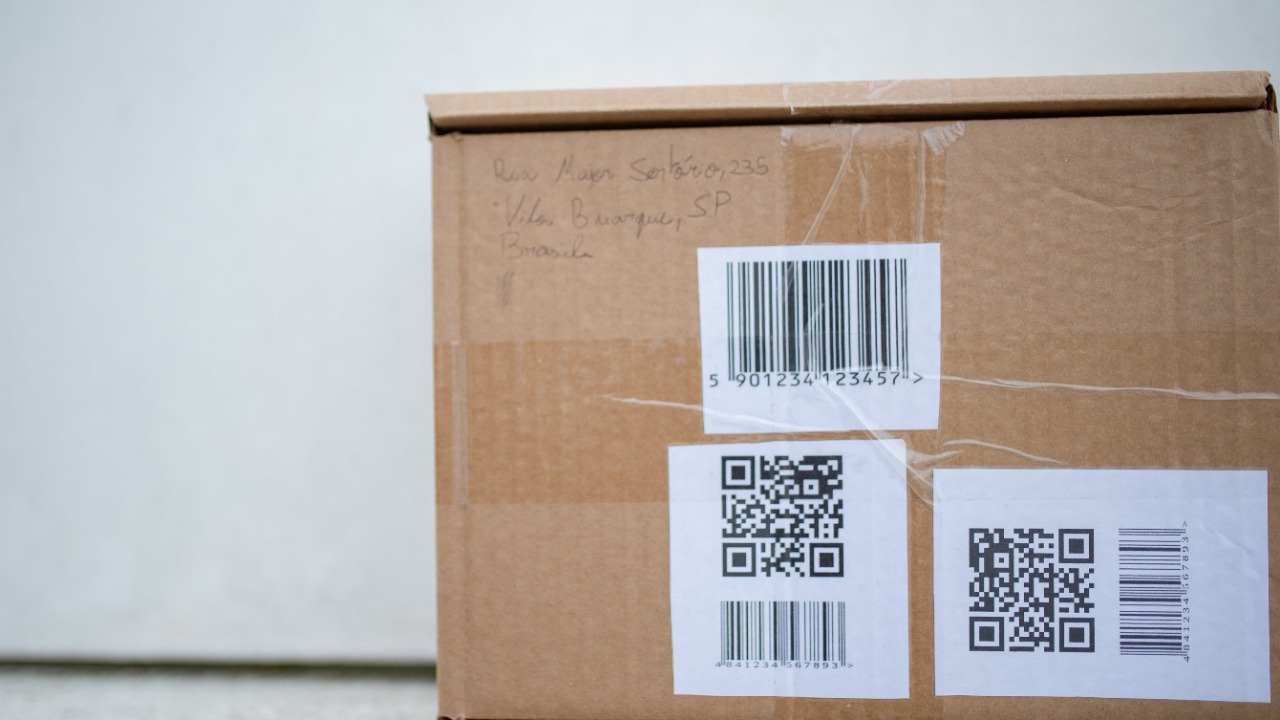

Static and dynamic QR codes usually look identical. Both appear as square arrangements of dark and light modules that a phone camera can scan. The important difference is not their appearance but what happens after the scan.
A static QR code stores its final information directly inside the printed pattern. A dynamic QR code usually stores a short web address that sends the user through a redirection service before opening the intended destination.
That distinction affects whether the destination can be changed, whether scans can be measured, how long the code remains useful and whether it depends on a third-party platform.
Technically, “dynamic QR code” is a commercial term rather than a separate type of QR symbol. GS1 notes that everything physically printed on a product, including a QR code, is static. What changes dynamically is the online destination reached through redirection.
What Is a Static QR Code?
A static QR code permanently contains the information entered when it is generated. That information could be a website address, Wi-Fi password, email address, phone number, contact card or plain text.
When the code contains a website URL, the scanning device reads that exact address and opens it. No QR management platform is required between the user and the destination.
Once created, the encoded information cannot be edited without generating a new QR code. A typo, discontinued web page or changed phone number makes the existing printed code inaccurate or unusable.
The QR Code system can hold different forms of numeric, alphabetic and binary information. DENSO WAVE, the company that developed the technology, explains in its overview of QR Code capabilities that the format stores information in both horizontal and vertical directions and supports thousands of characters, depending on the selected version and content type.
However, placing more data inside the pattern creates a denser QR code. A long website address, extensive contact record or large block of text requires more modules, potentially making the symbol harder to print at a small size.
A static code works best when the information is unlikely to change. It can be suitable for a permanent website homepage, Wi-Fi connection details, an email address or a simple digital business card.
What Is a Dynamic QR Code?
A dynamic QR code usually contains a shortened or controlled URL rather than the final destination.
When someone scans it, the browser first visits that intermediate address. The server then redirects the user to the page currently assigned to the code.
The printed QR pattern never changes. Instead, the owner signs into a management platform and changes the redirect destination.
A restaurant could initially direct a table card to a breakfast menu and later send the same code to its dinner menu. A retailer could change a packaging code from a launch promotion to product instructions without reprinting the package.
GS1 describes this separation clearly in its guidance on QR redirection. The identifier encoded in the QR code can remain stable while the location of the related information changes over time.
This flexibility is the main reason dynamic codes are used in marketing campaigns, product packaging, events, property listings and printed materials that may remain in circulation for months or years.
Dynamic QR Codes Can Be Edited After Printing
Editability is the clearest difference between the two formats.
A static QR code pointing directly to example.com/summer-sale will always contain that address. When the business deletes or moves the page, the code may lead to an error unless the website owner creates a redirect at the original URL.
A dynamic code can be reassigned through its provider’s dashboard. The business could change it from a summer promotion to an autumn promotion while continuing to use the same posters and signs.
Dynamic redirection can also deliver different pages according to factors such as time, location, language or device type. GS1 explains that QR redirection services may collect information about when and where a scan occurred, what type of device was used and which language settings were present.
This makes the technology useful for campaigns that need to remain flexible after physical material has been distributed.
Static Codes Normally Do Not Include Built-In Analytics
A static QR code does not automatically count scans. The phone simply reads the stored information and performs the requested action.
A business may still measure visits when the code points to a uniquely tagged website address. Web analytics can identify traffic reaching that page, but this measurement occurs on the website rather than inside the QR code itself.
Dynamic QR platforms commonly provide built-in reporting. Depending on the service, a dashboard may show the number of scans, time of activity, general geographic area, device category and operating system.
These statistics can help compare different poster locations, packaging designs or marketing campaigns. Separate codes can be assigned to different channels so the business can determine where engagement occurred.
Analytics also creates privacy considerations. Organizations should understand what information their provider collects, how long it retains that data and whether users are properly informed. A dynamic provider may receive scan-related information before the visitor reaches the final website.
Dynamic Codes Depend on an Online Service
A static QR code can continue functioning as long as its encoded information remains valid. It does not normally expire by itself.
A static code containing plain text or Wi-Fi details may even work without an internet connection because the information is stored directly inside the pattern. A static URL code still requires internet access to open its website, but it does not require a separate QR management company.
A dynamic code depends on its redirect server. When the service closes, suspends the account or removes the code after a subscription ends, the printed symbol may stop sending users to the intended destination.
This creates a form of vendor dependency. A business could print thousands of brochures and later discover that continued operation requires an ongoing payment.
Organizations using dynamic QR codes should review the provider’s subscription terms, scan limits, export options and domain-control policies before printing large quantities. GS1 recommends establishing redirected identifiers on a domain controlled by the brand rather than relying entirely on a solution provider’s domain.
Using a company-owned short domain can provide greater long-term control. The organization can change its hosting or analytics system while preserving the address encoded in the printed code.
Dynamic Codes Can Be Less Visually Dense
Because a dynamic QR code often stores a short redirect address, it may contain less information than a static code holding a long destination URL.
Less encoded data can create a simpler pattern with fewer modules. This may improve readability when the code must be printed in a limited space, although size, contrast, error correction and printing quality remain critical.
QR codes contain error-correction data that can allow information to be recovered when part of the pattern is dirty or damaged. DENSO WAVE describes four correction levels, with higher levels providing greater recovery capability while increasing the amount of information that must be placed inside the symbol.
A logo can sometimes be placed over part of a QR code because of this error correction, but excessive decoration may prevent reliable scanning. DENSO WAVE warns that distorted modules, insufficient blank space and overlaid images can make a code difficult or impossible to read.
Every QR design should therefore be tested using several phones, camera angles, lighting conditions and intended print sizes before publication.
Both Types Can Create Security Risks
Neither a static nor dynamic QR code is automatically safe. A QR pattern hides the destination from ordinary visual inspection, allowing a malicious code to send a user to a fraudulent website.
Dynamic links introduce an additional concern because the destination can change after printing. A code that originally opened a legitimate page could later be redirected elsewhere if its account is compromised or transferred to another owner.
The Federal Trade Commission’s QR code safety guidance warns that fraudulent codes may direct users to convincing imitation websites designed to steal passwords, financial information or other sensitive data.
Businesses should secure QR management accounts with strong authentication, monitor destination changes and avoid using unfamiliar shortened domains. Consumers should inspect the previewed address before opening it and avoid entering sensitive information when the destination appears suspicious.
Printed codes in public locations should also be inspected for stickers placed over the original pattern. The FBI has warned that criminals may physically replace legitimate QR codes with fraudulent ones.
Which QR Code Is the Better Choice?
A static QR code is generally the better choice when the destination is permanent, analytics are unnecessary and long-term independence is important. It is simple, often free and does not require an ongoing QR management subscription.
A dynamic QR code is more appropriate when the destination may change, campaign performance must be measured or the same printed code needs to serve different content over time.
The decision should be based on the expected lifespan of the printed material. A temporary handout linking to a permanent homepage may not need dynamic management. Product packaging that will remain in stores for several years may benefit greatly from an editable destination.
The most important difference is control. Static codes provide directness and independence, while dynamic codes provide flexibility and measurement. Neither option is universally better, but choosing the wrong one can leave a business replacing printed materials or paying indefinitely to keep an important link active.