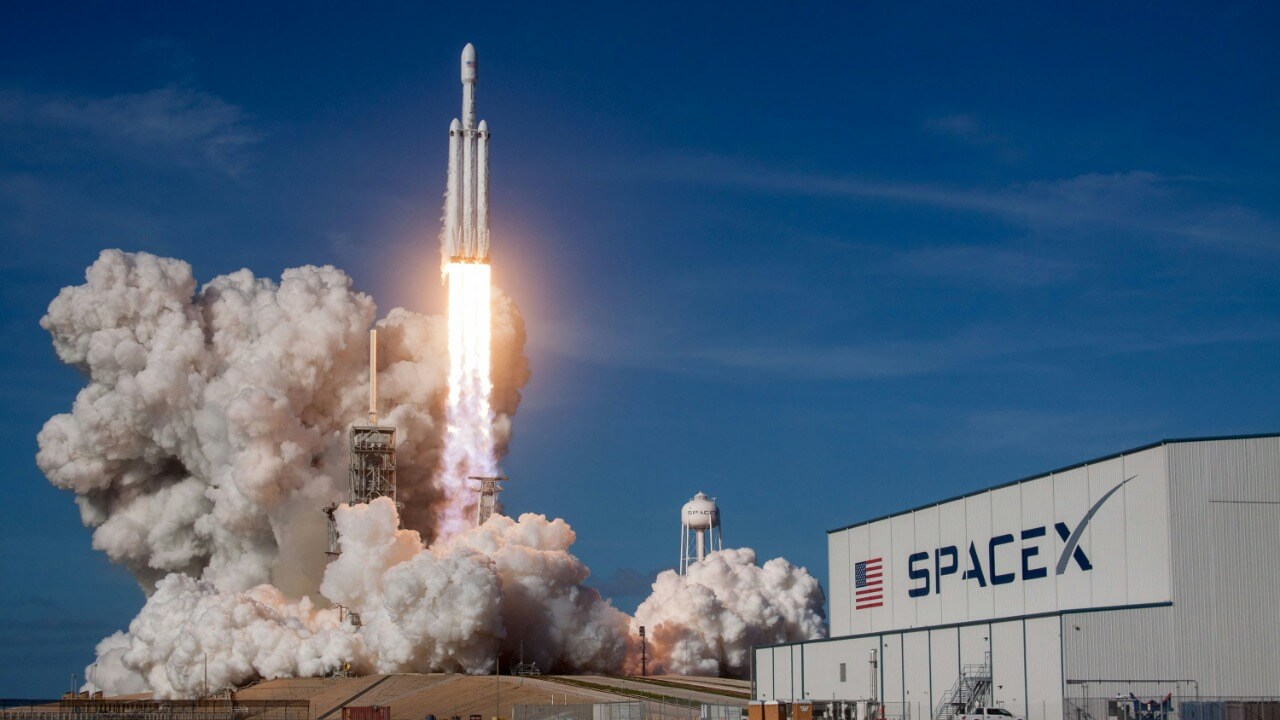

Elon Musk is weighing a deal that could fuse his rocket company with his fast-growing artificial intelligence startup just as public markets brace for one of the biggest listings in years. SpaceX is in talks to combine with xAI ahead of a planned initial public offering, according to a person familiar with the matter, in a move that would knit together space infrastructure, satellite internet and cutting-edge AI under a single corporate roof.
The discussions are still fluid, but the stakes are clear: a merged SpaceX–xAI could reshape how investors value Musk’s empire and how rivals think about the race to build AI systems powered by space-based computing. The potential transaction would also test how far public markets are willing to go in backing Musk’s vision of vertically integrated technology platforms spanning rockets, data networks and software.
The deal on the table: share swap and blockbuster listing
At the core of the talks is a structure that would see investors in xAI receive stock in SpaceX in exchange for their existing holdings, effectively folding the AI startup into the larger space company before it sells shares to the public. A person briefed on the negotiations said the transaction being discussed would involve xAI equity being swapped for SpaceX shares, aligning the cap tables of the two Musk-controlled firms ahead of the offering and giving AI backers a direct stake in the launch and satellite business through a share swap. The same person, who requested anonymity because the discussions are confidential, indicated that some xAI executives could be offered the option to cash out part of their holdings or roll them into the combined entity, underscoring how sensitive the negotiations are for early insiders.
Even with that framework, nothing is final. People familiar with the talks have stressed that no binding agreement has been signed and that key elements such as the precise exchange ratio, governance and listing venue remain open. One account noted that no agreement has been reached and that the timing and structure of any deal, as well as other important details, are still under discussion, with the possibility that the companies ultimately decide not to proceed despite the appeal of a blockbuster IPO that would see SpaceX offer its stock publicly for the first time in a blockbuster listing. Another source familiar with the process has said the company is targeting an IPO as early as this year, with internal discussions focused on a window that could see shares debut within the next one to three years at the latest, according to a person cited in a separate account of the.
Why Musk wants AI inside SpaceX
Bringing xAI inside SpaceX would formalize a strategic logic that Musk has been hinting at for months: that the most powerful AI systems will require access to vast computing resources, including data centers in orbit and high-bandwidth satellite networks. SpaceX already operates the Starlink constellation, and people familiar with the merger discussions have said the plans could help move more of xAI’s workloads onto that satellite internet infrastructure, creating a vertically integrated stack that runs AI models on hardware controlled end to end by Musk and his teams, a vision echoed in Key Facts about the proposed tie-up. That would give the combined company a differentiated story to tell public investors, one that blends recurring connectivity revenue with the promise of AI-driven applications.
The timing is also shaped by xAI’s own momentum. Earlier this month, the startup closed an upsized Series E fundraising round that brought in $20 billion, topping an initial $15 billion target and cementing its status as one of the most richly valued private AI companies, according to people familiar with the Series E. Folding that valuation into SpaceX would not only give the rocket company a stronger AI narrative as it pitches itself to public markets, it would also simplify Musk’s corporate structure by consolidating another of his ventures alongside his social media platform X, which is already tightly linked to xAI’s products and data.
Valuations, Nevada entities and the path to $1 trillion
Any merger would be happening at eye-watering price tags. SpaceX is currently valued near $800 billion in private trading, while xAI was last marked at $230 billion after its latest funding, according to people familiar with the companies’ internal figures, who say an eventual IPO could push SpaceX’s market capitalization past $1 trillion if investor demand holds up at those levels, a trajectory highlighted in one $800 billion and $230 billion estimate. Those numbers would instantly make the combined company one of the most valuable publicly traded technology groups, rivaling the largest incumbents in both aerospace and AI.
Behind the scenes, corporate plumbing is already being put in place. Recent filings show that two new entities were created in Nevada on January 21, both carrying the name K2 Merger in their titles, a detail that has fueled speculation that they could serve as vehicles for the combination of SpaceX and xAI or for a broader restructuring of Musk’s holdings, according to people who have reviewed the Nevada paperwork. While the existence of those entities does not guarantee a deal, it signals that lawyers and bankers are actively sketching out potential structures that could be deployed quickly if Musk gives the green light.
IPO timing, governance and investor questions
The merger talks are unfolding as Musk refines his plans for when and how to take SpaceX public. People familiar with his thinking have said he has floated the idea of a mid-June IPO that would coincide with his birthday and a particular planetary alignment, a characteristically idiosyncratic target that nonetheless underscores his desire to control the narrative around the listing, according to one account of his IPO timing. Another report has described how he has been weighing whether to list only the Starlink satellite unit or the broader SpaceX business, with the potential xAI combination adding a new dimension to those deliberations by giving him the option to present investors with a more diversified technology platform.
Governance will be a central concern for public market buyers. Musk already exerts tight control over SpaceX, and people familiar with the merger discussions have said he would remain firmly in charge of the combined company, with xAI executives potentially taking senior roles but ultimately reporting into his existing leadership structure, according to an account that described how some insiders could be given the option to cash out or roll their stakes into the merged group in the next one to three years at the latest. Another person familiar with the process has said that discussions have included scenarios in which Musk could consider alternative combinations, including with Tesla, although the current focus is on xAI, a possibility that was flagged in a separate account of how Shares of his companies might be exchanged.
How a merged SpaceX–xAI would reshape the tech landscape
If the deal proceeds, it would crystallize Musk’s strategy of building a tightly interlocked ecosystem of companies that share technology, data and leadership. SpaceX and xAI are already both led by Elon Musk, and people familiar with the situation have noted that the two firms are increasingly intertwined operationally, with AI models drawing on data from Musk’s social media platform X and potentially from Starlink’s global network, a convergence that has been highlighted in accounts describing how both companies are run. A merged entity would give Musk a single, massive vehicle through which to pursue ambitions that range from colonizing Mars to building artificial general intelligence, potentially making it harder for regulators and investors to disentangle the risks and rewards of each individual project.