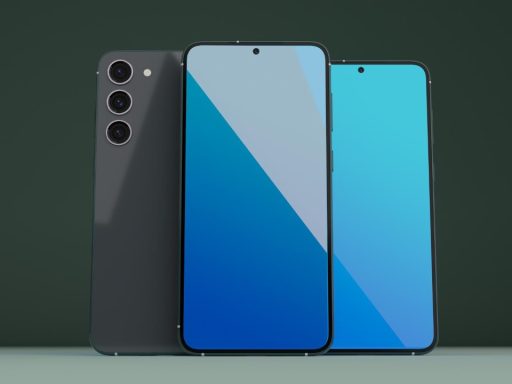
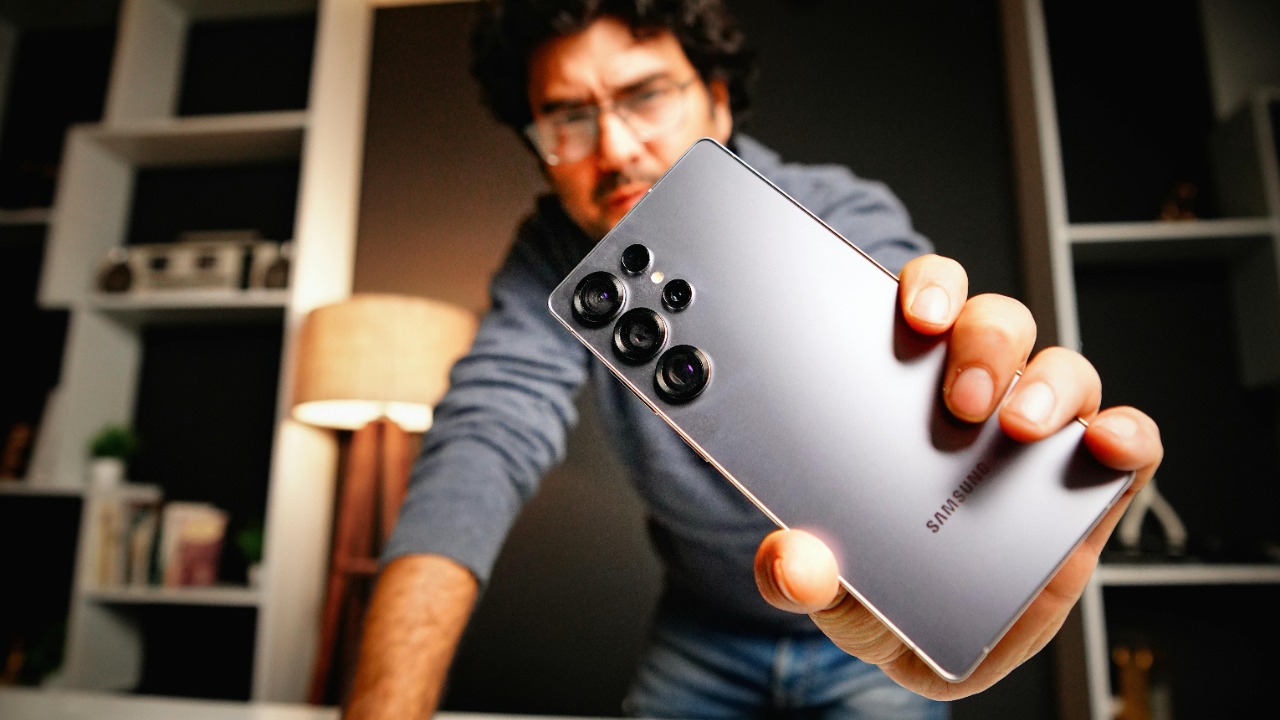

Samsung is preparing a Galaxy S26 lineup that asks more for the entry model while quietly easing the cost of its most premium phone, creating a pricing ladder that is anything but intuitive. Early information points to a higher starting price for the standard S26, a reshuffled storage strategy, and a Galaxy S26 Ultra that could undercut rival flagships at the very top of the market. For buyers trying to decide when and where to upgrade, the result is a confusing mix of price hikes, freezes, and cuts that depends heavily on configuration and region.
Instead of a simple across-the-board increase, Samsung appears to be using storage tiers and regional flexibility to balance squeezed margins with competitive pressure from Apple and other Android brands. That leaves the Galaxy S26 family looking less like a straightforward three-step ladder and more like a maze of trade offs between capacity, features, and long term value.
Base Galaxy S26 gets pricier as 128GB fades away
The clearest shift is at the bottom of the range, where reports indicate that the standard Galaxy S26 will no longer open with a 128GB variant in many markets. Instead, the baseline is expected to jump to 256GB, effectively raising the cash price of entry even if Samsung argues that customers are getting more storage for their money. Analysis of the leaked structure suggests that the cheapest S26 will cost more than the cheapest S25 did, even if the per gigabyte value improves, which is exactly the kind of change that makes a launch feel more expensive to everyday buyers.
Several reports tie this move directly to component economics, with one noting that, as Perhaps the financials do not make sense for a 128GB flagship in the current environment of higher memory prices. Parallel coverage of broader Galaxy S26 leaks points to a global memory shortage that has been very bad news for smartphone makers, with rising DRAM costs increasing the cost of each unit sold, a trend highlighted in detailed Galaxy coverage. In that context, dropping the smallest storage tier looks less like a pure upsell and more like a way to protect margins without slapping an obvious price rise on every spec sheet.
Ultra bends the curve with a cheaper top tier
At the other end of the lineup, the Galaxy S26 Ultra is shaping up to be the outlier that softens the blow of the base model’s increase. Multiple reports suggest that The Galaxy S26 Ultra could keep the same $1,299 entry price for its 256GB version as last year’s Galaxy S25 Ultra, with some indications that higher capacity options may even come in lower than before. One detailed breakdown of the Ultra’s positioning argues that the top model might be the only affordable flagship of 2026 in relative terms, especially if rivals push their own halo phones further upmarket, a point underscored in analysis of how The Galaxy S26 Ultra stacks up.
That strategy is echoed in reporting that Samsung Galaxy S26 Ultra Release Dates, Pre, Orders And The Alternatives are being framed around the Ultra as a central showcase device, with launch plans that put it alongside other premium phones like Pixel 10a and iPhone 17e, according to coverage by Ewan Spence. Another detailed look at early marketing notes that The Galaxy S26 Ultra might be the only affordable flagship of 2026 in the sense that it holds the line on price while others climb, reinforcing the idea that Ultra is being used as a value anchor at the top of the range. Promotional material that highlights The Galaxy S26 Ultra trailers also repeats the $1,299 figure for the 256GB model and suggests that the 512GB variant could be more aggressive, a detail surfaced in coverage of The Galaxy Ultra campaigns.
Region by region, a patchwork of hikes and freezes
Pricing for the Galaxy S26 family will not be uniform worldwide, and that is where the confusion deepens. Some reporting focused on European markets suggests that the Galaxy S26 is looking like it will receive a significant price bump, with one analysis walking through each model one by one and noting that Part of the increase comes from storage changes and the likely disappearance of the cheapest 128GB option, as described in detail by coverage that opens with “Let” and cites As Quandt. That same breakdown warns that some Plus and Ultra configurations could hold steady or even drop slightly, reinforcing how uneven the changes are.
In contrast, other reporting focused on the United States suggests that Samsung wants to maintain dominance by keeping the Galaxy S26 price intact relative to the Galaxy S25, even as it raises prices or trims features in some A series models, a stance laid out in detail in coverage of how Samsung is juggling its portfolio. A separate analysis of the company’s US strategy notes that it has faced pressure from a global DRAM shortage, rising component prices, and tariffs, while also weighing Apple’s decision to hold or raise prices on its own flagships, a balancing act described in an Instagram post that frames the move as “keep the price, keep the crown” for the Galaxy S26 at the same level as the Galaxy S25, with DRAM and Apple explicitly cited as key factors in The company commentary.
Inside Samsung’s storage and margin calculus
Underneath the headline prices, the S26 family reflects a deeper shift in how Samsung balances storage, margins, and perceived value. Detailed reporting on the storage leak argues that, Perhaps the most important factor is that the financials do not work for a 128GB flagship when DRAM prices are elevated, so moving the baseline to 256GB lets Samsung claim an upgrade while quietly lifting the minimum spend, a logic unpacked in depth in Perhaps the analysis. At the same time, the company appears to be using the Ultra’s relatively stable $1,299 price and potentially cheaper higher tiers to signal that it is not simply cashing in on loyal fans, but rather redistributing where it earns its profit within the lineup.
That approach fits with broader coverage of Galaxy S26 leaks that frames the entire series as a response to a major global memory shortage, with DRAM costs pushing up the cost of each unit sold and forcing manufacturers to rethink which configurations they offer, a dynamic explored in detail in Galaxy S26 reporting. In that light, the confusing mix of a pricier base model and a relatively restrained Ultra looks less like indecision and more like a deliberate attempt to steer buyers toward mid and high tier configurations where Samsung can better absorb volatile component costs.
What it means for buyers choosing between S26, Plus and Ultra
For anyone planning an upgrade, the practical question is how these shifts change the value equation between the S26, S26 Plus, and S26 Ultra. One detailed breakdown of the family’s pricing structure notes that Samsung’s confusing Galaxy S26 pricing raises base model cost but makes Ultra cheaper, with the key distinction that the biggest jumps are between 256GB models, not between 128GB models, a nuance highlighted in analysis that credits Samsung, Galaxy, Ultra, Andrew Romero and Jan in its byline and explains how the 54 figure appears in internal comparisons, as seen in the Samsung coverage. Another version of the same report, attributed to Andrew Romero and Jan with 4 Comments and a reference to New reports, reiterates that the most painful increase will be felt by those who previously bought the cheapest base model, a point underscored in the companion Andrew Romero write up.