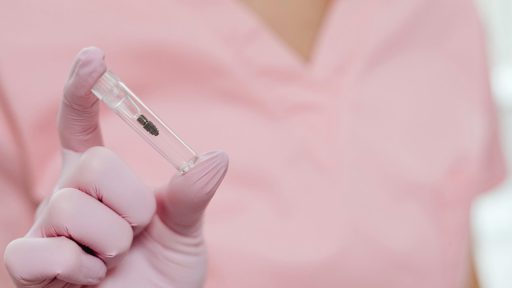
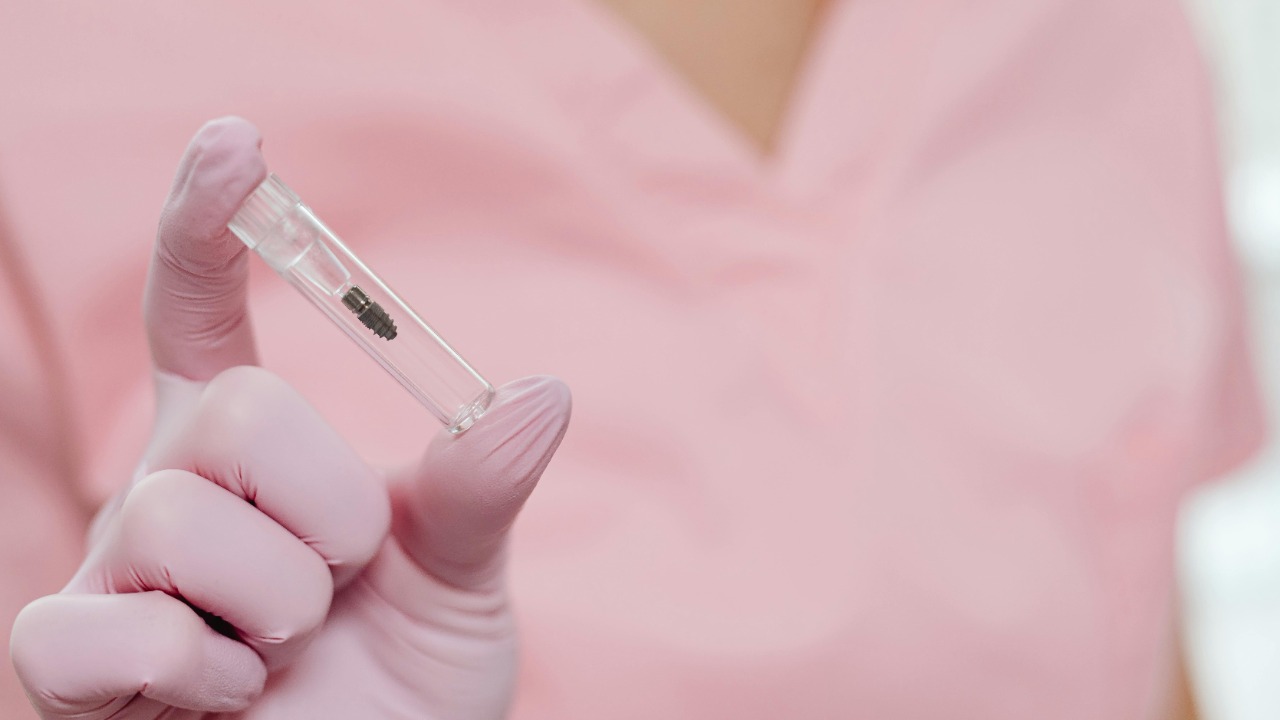

For decades, a severed spinal cord has been treated as a life sentence, with paralysis framed as medically irreversible once the communication highway between brain and body is cut. Now a new bio-implant built around RNA technology is starting to challenge that assumption, using a 3D structure and genetic instructions to coax damaged neurons to regrow. Researchers behind the approach say it could move spinal cord care from managing loss toward actively rebuilding function, although the path from lab bench to hospital ward is only beginning.
The experimental device does not simply act as a passive scaffold; it is designed as a living interface that talks to injured cells and rewires their behavior. By combining structural support with targeted gene silencing at the injury site, the implant aims to reopen growth programs that adult central nervous system neurons normally keep locked down. If those early results translate to people, the technology could mark a turning point in how paralysis is treated and understood.
Why spinal cords stop healing after injury
The spinal cord carries the signals that let a person walk, grasp a coffee mug or simply sit upright, and losing that connection can mean never being able to walk, sit down or stand again without assistance. Once a spinal cord is torn or crushed, the initial trauma is only the beginning; scar tissue, inflammation and biochemical brakes on growth combine to freeze the damage in place. Reporting on bioelectronic implants explains that the spinal cord is the critical link between brain and body, and that when it is interrupted the resulting paralysis has historically been permanent, with little chance for meaningful recovery using conventional care such as stabilizing surgery and rehabilitation.
One of the key biological reasons for this stagnation is that neurons in the central nervous system lack the natural ability to regenerate after a serious lesion. Research summarized in a detailed overview of spinal cord injuries describes how adult neurons respond to damage by shutting down growth pathways and reinforcing molecular barriers that keep axons from extending. That protective reflex helps maintain stability in a healthy brain or spinal cord, but after trauma it traps nerve fibers in a non-growing state. The result is a chronic injury environment where even surviving neurons remain disconnected, which is why attempts to simply bridge the gap with inert materials or stem cells have often produced limited functional gains.
The RNA-activated implant and the PTEN switch
The new bio-implant tries to change that equation by pairing a 3D structure with RNA instructions that directly target one of those growth brakes. At the center of the design is PTEN, a gene that normally acts as a powerful stop signal for cell growth and is known to limit axon regeneration in the adult nervous system. According to an in-depth report on the device, researchers from RCSI University of Medicine and Health Sciences created a porous implant that delivers RNA molecules at the injury site to silence PTEN selectively in neurons, with the goal of lifting that internal barrier to repair. The same coverage notes that the implant is engineered to match the shape of the damaged spinal segment so it can sit snugly in the lesion cavity while releasing its genetic payload over time.
Additional technical detail from a separate analysis explains that by silencing PTEN at the injury site, the implant helps remove an internal barrier to repair in these cells and creates a more permissive environment for axon extension. In laboratory models of spinal cord injury, neurons exposed to the RNA-activated implant showed significantly enhanced growth, suggesting that the combination of structural guidance and targeted gene modulation can restart dormant regenerative programs. The strategy, described in depth in a feature on PTEN silencing, is not about editing DNA permanently but about using RNA to temporarily shift how cells behave during the critical repair window after injury.
3D scaffolds, bioelectronics and the race to rebuild function
The RNA implant does not exist in isolation; it is part of a broader push to give surgeons and neurologists better tools to physically and electrically reconnect the damaged cord. Engineers at the University of Minnesota Twin Cities have reported a breakthrough in 3D-printed scaffolds that are tailored to spinal cord injury recovery, using custom geometries and materials to support regenerating tissue and tackle the problem head on where axons have been severed. Their work, described through university communications that highlight a breakthrough in 3D-printed, focuses on creating a bridge that matches the patient’s anatomy so that new nerve fibers have a clear path to follow across the lesion.
In parallel, specialists in neurotechnology are developing bioelectronic implants that sit on or near the spinal cord to restore some of the lost communication using electrical stimulation. Coverage of these devices notes that when the spinal cord connection is disrupted, patients lose voluntary control of their limbs and often basic postural stability, but scientists may now have implantable systems that can partly bypass the damaged segment and reawaken dormant circuits. One detailed report on bioelectronic implants describes how targeted pulses can help patients stand or take assisted steps, especially when paired with intensive physiotherapy, although these systems do not yet repair the underlying tissue.
From lab success to real-world patients
The promise of the RNA-activated implant lies in its potential to combine the advantages of these structural and electrical approaches while directly changing how neurons respond to injury. Reports on the RCSI project emphasize that the team developed a multifunctional implant that not only supports regenerating tissue but also delivers RNA-based therapy tuned to patients’ real-world needs, rather than a one-size-fits-all device. Laboratory models suggest that neurons exposed to the implant extend longer axons and form more connections across the injury site than those treated with scaffold alone, pointing to a synergistic effect between the physical bridge and the molecular instructions. A summary of the work on new bio-implant technology frames it as a significant step toward restoring function after paralysis, although still confined to preclinical testing.
Turning that early success into human benefit will require solving a series of practical and ethical challenges that are already shaping the research agenda. Clinicians will need to determine the safest way to implant a 3D RNA device into a fragile, inflamed spinal cord, how long PTEN should be suppressed without raising cancer risk, and which patients are likely to benefit most based on injury level and timing. Regulators will want to see long-term data on how the material degrades, whether the RNA triggers immune reactions, and if functional gains such as improved hand movement or the ability to stand translate into better quality of life. As those questions are addressed through stepwise clinical trials, parallel work on bioelectronic platforms and advanced rehabilitation will likely be integrated with the implant so that biological repair, electrical support and intensive training reinforce one another rather than competing for attention.
What a repaired spinal cord could mean for daily life
If the implant performs in people as it has in laboratory models, the impact on daily life for those with spinal cord injuries could be profound. Instead of being told that the damage is permanent, newly injured patients might be offered a window of opportunity in which a tailored 3D implant could be placed into the lesion, delivering RNA instructions that reactivate growth while a scaffold guides new axons. That kind of intervention would not erase the need for wheelchairs, braces or exoskeletons for everyone, but it could shift outcomes from complete paralysis to partial recovery, such as regaining the ability to grip a steering wheel in a 2026 Toyota Corolla or transfer independently from bed to chair. For families, even modest improvements in function can mean a parent returning to work, a teenager gaining more independence, or a caregiver being able to sleep through the night.