
The Strait of Hormuz remains at the centre of global attention as Iran and Oman reportedly move closer to an agreement aimed at managing maritime movement through one of the world’s most important energy corridors. At the same time, tensions have increased after the United Arab Emirates accused Iran’s Islamic Revolutionary Guard Corps (IRGC) of attacking a vessel connected to its energy sector.
The developments highlight the fragile balance between diplomacy and confrontation in the Gulf region. While negotiations offer a potential pathway toward restoring shipping confidence, new security incidents continue to raise concerns among governments, shipping companies, and energy markets worldwide.
The Strait of Hormuz has long been considered a strategic gateway for international energy supplies. According to information from the U.S. Energy Information Administration, a significant share of globally traded oil passes through this narrow maritime route, meaning any disruption can quickly affect fuel prices, transportation costs, and economic stability.
Iran and Oman Seek a Path Forward Through Diplomacy
Iran has indicated that discussions with Oman regarding the Strait of Hormuz are approaching a possible agreement. Reports suggest that the proposed arrangement focuses on establishing navigation routes and mechanisms for vessels operating in the waterway. However, Iranian officials have also stated that a technical agreement with Oman alone would not automatically guarantee the full reopening of the strait.
Oman has historically played the role of a diplomatic bridge between Iran and Western countries. Its neutral foreign policy approach has allowed it to facilitate communication during previous regional crises. The country’s role in international diplomacy can also be seen through its engagement with organizations such as the United Nations, where regional stability and maritime security remain important issues.
The potential agreement comes at a time when global shipping companies are looking for signs of stability. For operators transporting oil, natural gas, and other commodities, predictable access through Hormuz is essential for maintaining supply chains.
The Strategic Importance of the Strait of Hormuz
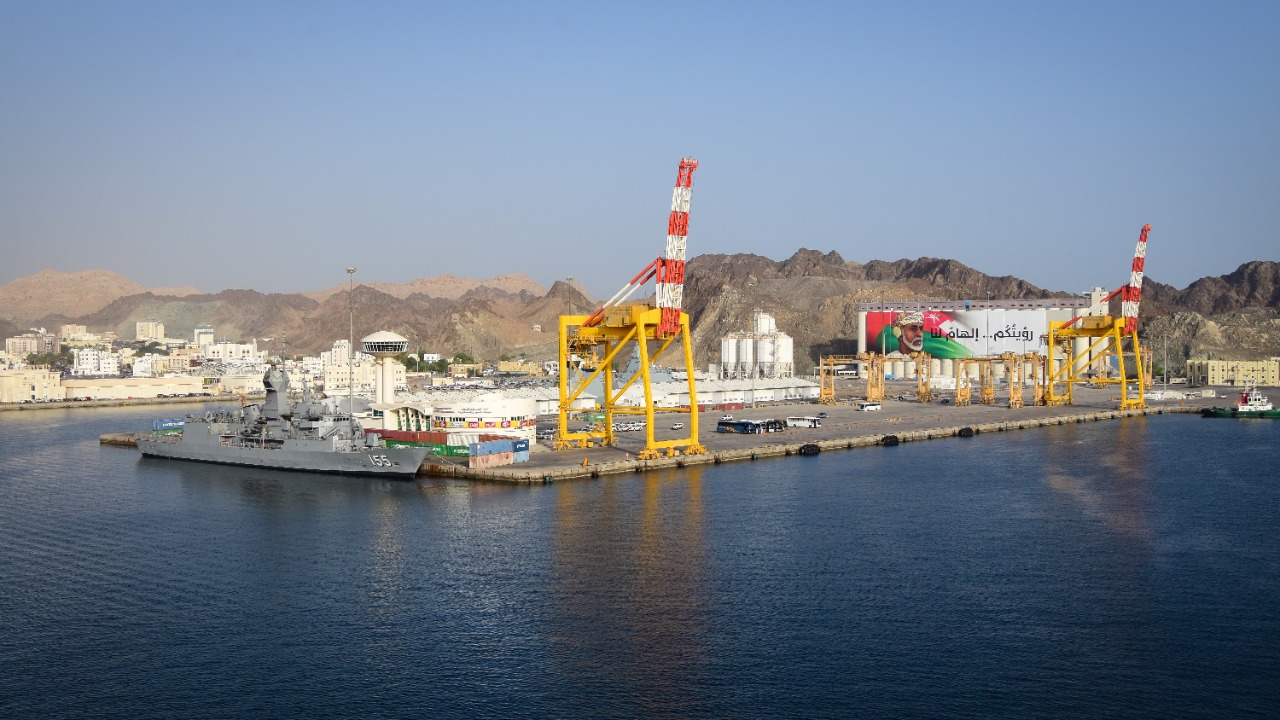
The importance of Hormuz extends far beyond the Middle East. The waterway connects the Persian Gulf with the Gulf of Oman and the Arabian Sea, making it a critical passage for energy exporters including Gulf countries.
Any prolonged disruption could influence international energy markets. Organizations such as the International Energy Agency regularly monitor global oil supply risks because geopolitical events in major producing regions can create immediate market uncertainty.
Shipping companies are also affected by security concerns because vessels passing through conflict-sensitive areas often face higher insurance costs, longer routes, and operational delays. Even the possibility of restrictions can force companies to reconsider their transportation strategies.
The situation demonstrates how regional security decisions can have worldwide economic consequences. A dispute involving a relatively small geographic area can influence fuel prices, manufacturing costs, and inflation levels across multiple continents.
UAE Accuses IRGC of Vessel Attack
While diplomatic efforts continue, tensions increased after the UAE accused Iran’s Revolutionary Guard Corps of attacking a vessel linked to Abu Dhabi National Oil Company (ADNOC). The UAE stated that the vessel was targeted while operating near the Strait of Hormuz, although no casualties were reported in the incident.
The accusation has intensified concerns among Gulf nations that maritime security remains vulnerable despite ongoing negotiations. The UAE described the incident as a serious threat to commercial navigation and called for an end to attacks on civilian and energy-related vessels.
Iran has maintained its own position regarding security arrangements in the region and has linked the reopening of Hormuz to broader political conditions involving sanctions, military activity, and negotiations with the United States.
The conflicting positions show why reaching a lasting agreement remains complicated. A shipping arrangement may solve immediate navigation issues, but wider political disagreements continue to influence regional stability.
Global Energy Markets Watch Every Development
Energy markets are closely following the situation because uncertainty around Hormuz can quickly influence crude oil prices. Traders often react not only to actual supply disruptions but also to the possibility of future restrictions.
The global oil market depends heavily on confidence. When shipping routes become uncertain, companies may increase storage levels, adjust contracts, or seek alternative transportation methods. This creates additional costs throughout the energy supply chain.
International financial institutions and market analysts continue monitoring the situation because a stable Hormuz would provide relief to energy markets, while renewed escalation could create additional pressure on global economies.
The role of maritime security has also become increasingly important. Organizations such as the International Maritime Organization work internationally to improve shipping safety standards and support secure navigation across global waterways.
Diplomacy Faces a Major Test
The emerging Iran-Oman deal represents a potential opportunity for reducing tensions, but its success depends on more than technical shipping arrangements. Trust between regional actors remains limited, and recent incidents have made negotiations more difficult.
For Oman, the challenge is maintaining its mediator role while encouraging practical solutions. For Iran, the negotiations provide an opportunity to strengthen its regional influence and address economic pressures. For Gulf countries and international shipping companies, the priority remains safe and predictable maritime access.
The coming weeks will likely determine whether diplomacy can overcome the security challenges surrounding Hormuz. A successful agreement could help restore confidence in global trade routes, while continued confrontations could prolong uncertainty.
The Strait of Hormuz has always represented more than a shipping channel. It is a symbol of the connection between geopolitics, energy security, and the global economy. The latest developments between Iran, Oman, and Gulf countries show that every decision made around this narrow waterway can have consequences far beyond the region.