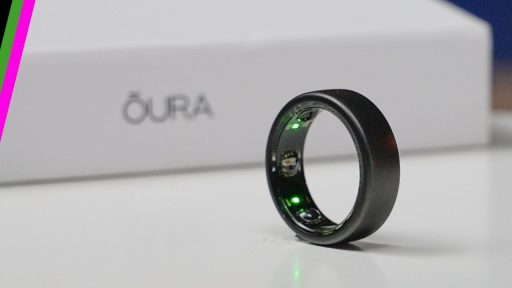
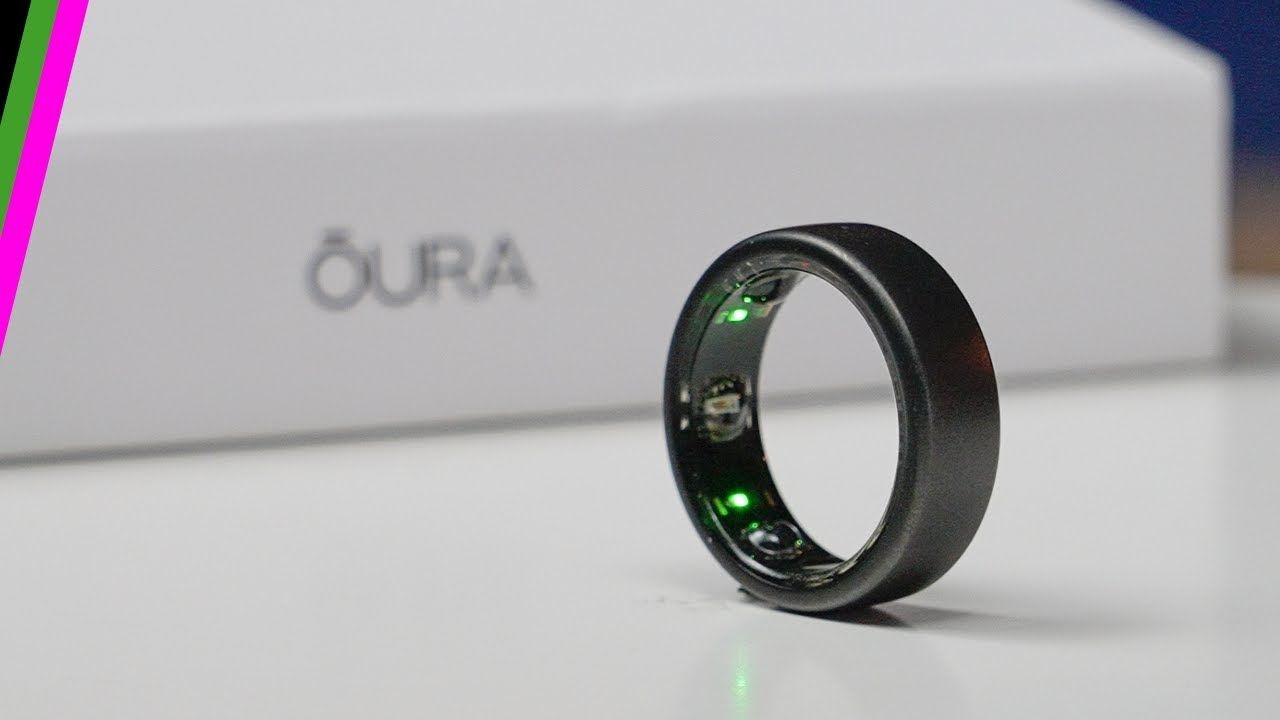

Wearable trackers tend to follow a familiar arc: a burst of enthusiasm, a few weeks of diligent tracking, then a slow slide into the nightstand drawer. My Oura Ring was headed that way until two very small changes, one about fit and one about styling, made it feel less like a gadget and more like a piece of jewelry I actually wanted on my hand again.
Those tweaks were simple, rooted in tricks other Oura owners were already sharing, and they did not involve buying a whole new ring. By tightening the fit with a low‑tech spacer and treating the band as part of a stacked look instead of a lone tech ring, I turned a neglected sensor into something I now reach for every morning without thinking.
Why my Oura Ring ended up in a drawer
When I first started wearing the Oura Ring, I treated it like a medical device, not an accessory. I wore it on my index finger, kept it bare, and tried to ignore the fact that the slightly loose band spun around whenever my hands were cold. That wobble was more than an annoyance, it made me worry about the sensors losing contact with my skin and the ring slipping off entirely, especially in winter or after washing my hands.
Scrolling through community posts, I realized that anxiety was common among people whose ring size felt just a bit too big. One Oura owner with a size 9 described how the band became “super loose” when their hands were cold and asked if there was any trick to make it more snug without replacing it, a concern echoed in a group discussion from Jul. That was exactly my situation, and it was the first sign that the problem was not the hardware or the app, it was the way I was wearing it.
The tiny fit tweak that changed everything
The first tweak was purely practical: I needed the ring to feel secure without ordering a new size. Buried in a thread about tightening the band, one commenter pointed out that People often solve this with stacked wedding bands, slipping a slightly tighter ring on top to keep a looser one in place. That simple idea, shared in an Oura discussion, reframed my problem: I did not need a new tracker, I needed a spacer.
Instead of hunting for a custom solution, I tried a slim, inexpensive band that fit slightly tighter than my Oura and wore it above the sensor ring on the same finger. The effect was immediate. The Oura stopped spinning, the sensors stayed aligned, and the constant low‑level worry about it sliding off disappeared. That one adjustment made the ring feel more like a deliberate part of my hand and less like a loose piece of hardware I was babysitting all day.
Discovering the viral stacking hack
Once the fit felt right, I started paying attention to how the ring actually looked. The turning point came when I saw a viral styling clip from Jan that framed the Oura not as a standalone gadget but as the centerpiece of a stack. In the video, tagged with #ouraring, #oura, #pavoi, #stylinghacks, #amazonfashion, and #amazonfashionfinds, Jan showed how to sandwich the tracker between two slim gold bands to create a cohesive look, a trick she described as a VIRAL OURA RING HACK.
That same reel, shared again with the caption “Ring release this is for you,” spelled out the idea even more clearly: there has been a styling hack going around that suggests stacking the Oura between two coordinating rings, and Jan promised, “I’ll link these for you,” for anyone who wanted to copy the look. Seeing the ring framed that way, as part of a curated stack rather than a lone silver band, made me realize how much I had been treating mine like a medical bracelet instead of something I could actually style, a shift that started with that Jan clip.
How creators turned a tracker into jewelry
Once I noticed that first hack, my feed filled with variations on the same idea. In one clip from Dec, creator Kaitlyn, posting as Dec, admitted she usually does not get influenced by the internet but said this particular trend “really got” her. She showed how she built a stack around her Oura using delicate gold bands, turning the sensor into the visual anchor of her hand instead of the odd one out.
Another Dec video from Callahan Rahm pushed the concept further. She explained that yes, she did copy a creator she could not immediately name and promised to tag her, then demonstrated how she used two Pavoi rings around her Oura to create a cohesive trio. The way she framed it, the Oura was not a compromise for health data, it was the centerpiece of a look that happened to track sleep and recovery, a perspective that came through clearly in her Dec styling demo.
My two specific tweaks: spacer and stack
By the time I finished watching those clips, my own plan was straightforward. First, I kept the functional spacer ring that solved the looseness problem, borrowing directly from the idea that People use a tighter band to keep a looser one in place. Second, I upgraded that spacer into something that actually matched my Oura, taking a cue from the Pavoi stacks in those videos and choosing a slim gold band that echoed the finish of the tracker instead of clashing with it.
To make the stack feel intentional, I treated the Oura as the middle band and added a second slim ring on the other side, effectively recreating the “sandwich” look that Jan and others had popularized. That gave me the same snug fit described in the Reddit spacer advice, but with the visual payoff of the TikTok stacks. The result was a three‑ring combination that looked like a single, sculpted piece rather than a tech ring with a random spacer tacked on.