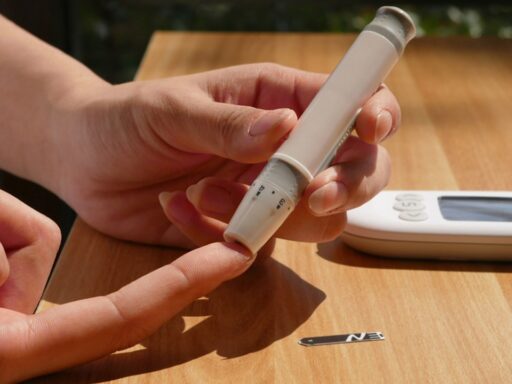
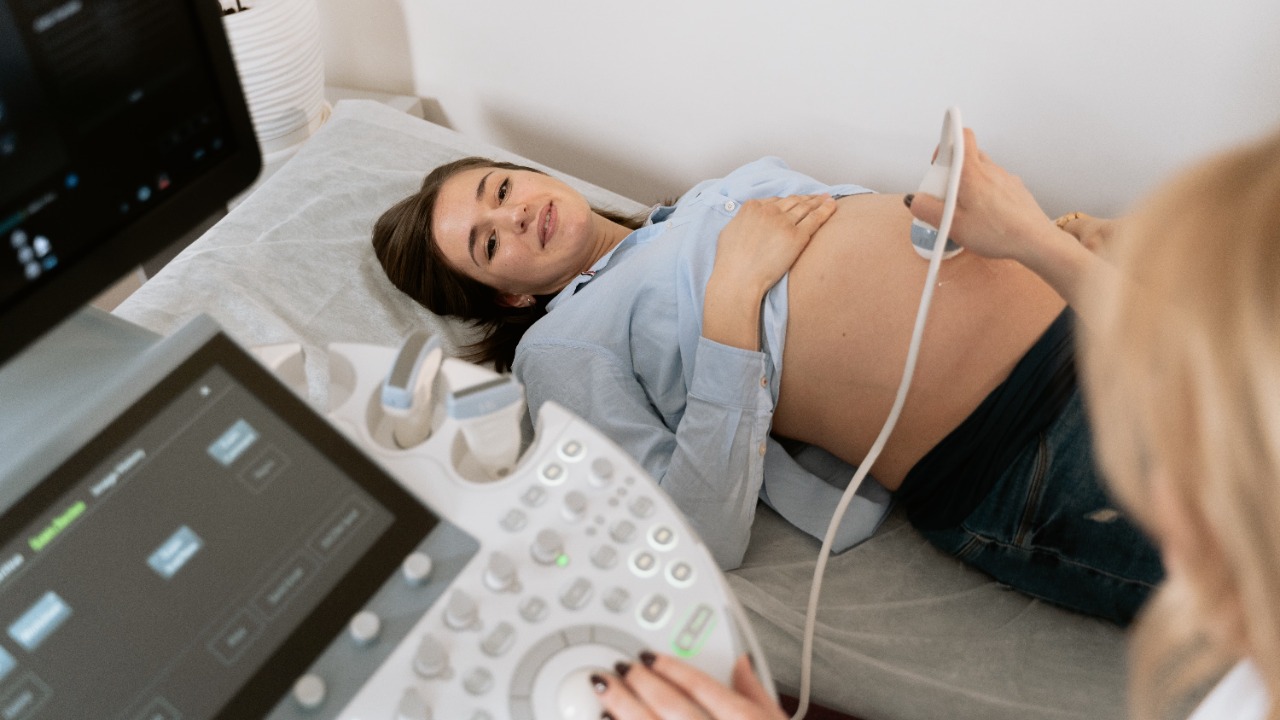

Hepatitis B is a viral infection that attacks the liver and may cause either a short-term illness or a lifelong chronic infection. It spreads through infected blood and certain body fluids, including during childbirth. Many infected people have no noticeable symptoms, making routine blood testing essential during pregnancy.
A pregnant patient may feel completely healthy while carrying a high level of hepatitis B virus, or HBV, in the blood. Without timely preventive care, an exposed infant faces a particularly high risk of developing chronic infection. The US Centers for Disease Control and Prevention reports that approximately 90% of infants who acquire HBV around birth develop chronic hepatitis B.
The good news is that mother-to-child transmission can usually be prevented through prenatal screening, antiviral treatment when indicated and immediate protection for the newborn.
Screening Should Take Place During Every Pregnancy
The most important diagnostic step is a hepatitis B surface antigen test, commonly written as HBsAg.
CDC guidance recommends testing every pregnant patient for HBsAg during each pregnancy, preferably in the first trimester. Screening is still required when the patient has previously been vaccinated, tested negative in an earlier pregnancy or has a known history of hepatitis B. A confirmed positive HBsAg result indicates a current infection.
The American College of Obstetricians and Gynecologists similarly recommends universal hepatitis B screening early in every pregnancy. Testing should not be limited to patients considered “high risk,” because risk-based screening can miss infections in people who do not report or recognise an exposure.
When prenatal care begins late or no result is available at delivery, blood should be collected and tested urgently. The maternity and newborn teams must know the maternal result so that the correct protection can be administered immediately after birth.
Understanding the Hepatitis B Blood Tests
HBsAg is the key pregnancy screening test, but additional markers can clarify whether a patient is infected, immune or susceptible.
A complete initial hepatitis B screening panel may include HBsAg, antibody to hepatitis B surface antigen and total antibody to hepatitis B core antigen. The surface antibody, written as anti-HBs, generally indicates immunity from vaccination or recovery from an earlier infection. Total anti-HBc indicates previous or current exposure to the actual virus and does not develop from vaccination alone.
When recent infection is suspected, an IgM anti-HBc test may help identify an acute infection acquired within approximately the previous six months. Test combinations can sometimes be difficult to interpret, particularly when only the core antibody is positive, so results should be reviewed by a clinician familiar with hepatitis B serology.
Symptoms cannot confirm or exclude the disease. Fatigue, nausea, loss of appetite, abdominal discomfort, dark urine and jaundice can occur during acute hepatitis B, but many chronic infections remain asymptomatic until significant liver damage has developed.
A Positive Result Requires Further Evaluation
A positive prenatal HBsAg result should be confirmed and followed by additional testing. Every HBsAg-positive pregnant patient should have an HBV DNA test, which measures how much virus is circulating in the blood. The viral load is central to deciding whether medication is needed specifically to reduce transmission to the infant.
Clinical evaluation may also include liver enzymes, bilirubin, platelet count, hepatitis B e antigen and tests for hepatitis C, hepatitis D or HIV where appropriate. The patient may require assessment by a liver specialist to determine whether treatment is needed for personal liver health, independently of pregnancy-related prevention.
A high HBV DNA level does not necessarily mean that the patient feels unwell. It indicates that a large amount of virus is present and that newborn vaccination alone has a greater chance of failing. This is why viral-load testing should be completed early enough for preventive medication to begin before delivery.
The positive laboratory report should be shared with the intended maternity facility and the clinician who will care for the newborn. In the United States, positive prenatal results should also be reported to the relevant Perinatal Hepatitis B Prevention Program so that maternal care, newborn treatment and follow-up testing can be coordinated.
Tenofovir Can Reduce Transmission From Mothers With High Viral Loads
International and US guidance recommends antiviral prophylaxis for pregnant patients with very high HBV DNA levels.
The World Health Organization recommends tenofovir for HBsAg-positive pregnant patients whose HBV DNA level is at least 200,000 IU/mL. WHO advises beginning prophylaxis from the 28th week of pregnancy and continuing at least until delivery.
US liver guidance generally recommends starting tenofovir disoproxil fumarate between approximately 28 and 32 weeks when the maternal viral load exceeds 200,000 IU/mL. This allows time for the medication to lower the amount of virus before childbirth.
The exact starting and stopping plan must be individualised. Some patients need long-term antiviral treatment because of active liver disease, while others receive it mainly to prevent transmission and may stop after delivery under medical supervision. Abrupt discontinuation without follow-up is inappropriate because hepatitis activity can increase after treatment stops.
Postpartum liver tests and HBV DNA monitoring are therefore important, particularly during the first months after birth.
Prevention at Birth Is Time-Critical
The newborn’s protection should not be delayed while waiting for symptoms or additional maternal tests.
In the United States, an infant born to an HBsAg-positive mother should receive a single-antigen hepatitis B vaccine and hepatitis B immune globulin, known as HBIG, within 12 hours of birth. The injections are given at separate sites. HBIG provides immediate temporary antibodies, while the vaccine begins building long-term immunity.
WHO recommends that every infant, regardless of known maternal infection status, receive a hepatitis B vaccine dose as soon as possible after birth, preferably within 24 hours. The birth dose should be followed by the remaining doses required by the national childhood immunisation schedule.
Infants exposed to HBV must complete the entire vaccine series. The exact number and timing of doses depend partly on the vaccine products used and the infant’s birth weight. Premature infants and those weighing less than 2,000 grams require particular attention because their schedule may differ.
Follow-Up Testing Confirms Whether Prevention Worked
Receiving the birth injections is not the end of the prevention process.
After completing the vaccine series, an exposed infant should undergo post-vaccination serologic testing. CDC recommends testing for HBsAg and anti-HBs at 9 to 12 months of age, or one to two months after the final vaccine dose when the series was delayed.
A negative HBsAg result indicates that current infection was not detected. An adequate anti-HBs result shows that the child developed protective immunity. A child who lacks sufficient antibodies may need revaccination, while an HBsAg-positive result requires referral for medical evaluation.
Testing should not be performed too early because antibodies received through HBIG can affect the result. Total anti-HBc is also not recommended for infant follow-up because maternal core antibodies may remain detectable for many months.
Breastfeeding Is Usually Safe
Hepatitis B infection does not normally prevent breastfeeding.
CDC guidance states that the risk of HBV transmission through breastfeeding is negligible when the infant receives the recommended vaccine and HBIG. Breastfeeding does not need to be delayed until the vaccine series is complete.
Additional medical advice may be needed when nipples are cracked or bleeding because hepatitis B can spread through blood. The infant’s immediate immunoprophylaxis remains the most important protective measure.
The method of delivery does not replace newborn prevention. HBV can be transmitted during either vaginal birth or caesarean delivery, so caesarean section should be performed for ordinary obstetric indications rather than viewed as an alternative to antiviral therapy, vaccination and HBIG.
Vaccination Can Protect Susceptible Pregnant Women
A patient who is HBsAg-negative but lacks immunity can receive hepatitis B vaccination during pregnancy.
Pregnancy is not considered a contraindication to the vaccine because available hepatitis B vaccines contain noninfectious surface antigen and cannot cause hepatitis B infection. CDC guidance recommends vaccination during pregnancy for unvaccinated adults who meet current vaccination recommendations or remain at risk of exposure.
Vaccination is particularly important when a sexual partner or household member has hepatitis B. Partners and close household contacts of an infected patient should be tested and vaccinated when susceptible. Razors, toothbrushes, needles and other objects that may contain blood should not be shared. Hepatitis B is not spread through ordinary social contact such as hugging, coughing or sharing meals.
Early Coordination Prevents Most Perinatal Infections
Hepatitis B in pregnancy is manageable when every step occurs on time. Screening identifies the infection, HBV DNA testing determines whether maternal antiviral prophylaxis is needed, and newborn vaccination with HBIG provides immediate protection after delivery.
The greatest danger comes from missed testing, poor communication and delayed birth treatment rather than from pregnancy itself. A positive diagnosis should trigger coordinated care between the obstetric team, liver specialist, maternity facility, paediatric clinician and public-health programme where available.
With appropriate maternal management and complete newborn follow-up, most babies born to mothers with hepatitis B can be protected from infection.
This article provides general health information and does not replace individual assessment by an obstetrician, hepatologist or infectious-disease specialist.