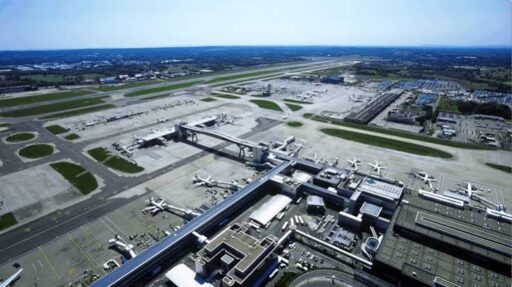
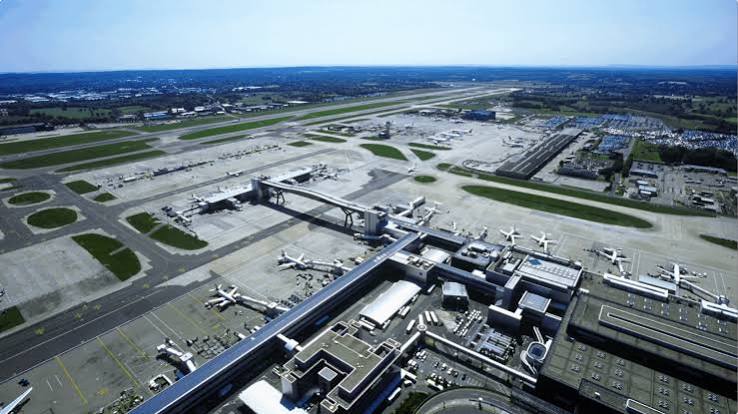

London Gatwick Airport experienced a major water-supply failure on Sunday, July 26, leaving passengers in both terminals without normally functioning toilets, drinking fountains and many food-and-drink services.
The disruption was caused by a power outage at SES Water’s Bough Beech Water Treatment Works in Kent. The failure reduced pressure across parts of Surrey, Sussex and Kent, temporarily cutting supplies to Gatwick and surrounding communities. Although the airport’s flights continued operating, the loss of running water created serious sanitation and passenger-welfare problems inside the terminals.
By 5:55 p.m., SES Water said supplies were gradually returning to affected customers, including the airport. The company warned that the network would take time to return fully to normal because the incident had been unusually complex.
What Caused Gatwick’s Water Supply to Fail?
The incident began with a power outage at the Bough Beech Water Treatment Works, which is operated by SES Water.
SES Water initially reported at 6 a.m. that customers were experiencing either low pressure or a complete loss of supply. The company later said the electrical failure had caused several additional complications that prevented the treatment works from quickly returning to normal operation.
The treatment facility was operating again by approximately 2 p.m., but restoring electricity did not immediately restore tap water. Water still had to pass through the required treatment process before it could safely be released back into the distribution network. Pressure also needed to rebuild gradually across the affected pipes.
This delay explains why the airport remained disrupted even after SES Water announced that the plant itself was running again. A large water network cannot always be restored instantly after pressure has fallen across several areas.
Both Gatwick Terminals Were Affected
The outage affected Gatwick’s North and South terminals.
Passengers reported that toilets could not be flushed, handwashing facilities were unavailable and water fountains were not operating. Several travellers also said they could not fill reusable bottles or purchase hot drinks. Many restaurants, cafés and bars had to close or restrict their services because they lacked the running water needed for food preparation, cleaning and hygiene.
The disruption was especially significant because passengers who had already passed through security could not simply leave the terminal to find alternative facilities without potentially affecting their journeys.
Gatwick said bottled water was being distributed to passengers and airport staff. It also said contingency arrangements were being introduced to protect passenger welfare while it worked with SES Water. Some travellers, however, told reporters that they had not seen water being distributed or had received little information about where it was available.
Restaurants and Bars Were Forced to Close
Running water is essential for airport food businesses. Kitchens need it for preparing ingredients, washing equipment, cleaning surfaces and supporting basic staff hygiene.
The outage consequently affected much more than drinking fountains. Bars could not prepare many drinks, coffee shops could not operate normally and restaurants were unable to maintain their usual services. Some outlets reportedly continued offering packaged or pre-prepared food that did not require kitchen preparation.
The closures created an additional space problem. Former MP Michael Dugher reported that passengers were sitting on terminal floors while seating inside closed restaurants remained inaccessible. He called on the airport to open those areas so stranded or waiting travellers could sit down.
Gatwick normally promotes a large selection of restaurants, cafés and bars across its terminals through its official passenger website. Closing a substantial number of those businesses during a busy summer travel day therefore removed both food options and a considerable amount of terminal seating.
Flights Continued Despite the Outage
The water failure did not close Gatwick’s runway, and flights continued to arrive and depart.
ITV reported that flights were unaffected even though passenger services inside both terminals had been compromised. The incident was therefore primarily a terminal-infrastructure and welfare emergency rather than an air-traffic-control or runway failure.
Flights can technically continue during a terminal water outage because aircraft movements depend on systems such as runway operations, air traffic control, ground handling, fuel, electricity and communications. Running water is nevertheless essential to keeping the terminal safe and suitable for large numbers of people.
Airlines may also carry their own potable water onboard and have separate arrangements for servicing aircraft toilets. The ability to operate flights does not mean passengers inside the terminal can be left indefinitely without adequate sanitation.
Travellers were still expected to check their individual flight status through their airline or Gatwick’s live arrivals and departures service, particularly because local conditions and airline decisions could change as the incident developed.
Passengers Criticised the Communication
The airport apologised publicly and said it was responding to an issue affecting the wider Horley area. However, several passengers complained that they discovered the lack of water only after attempting to use a toilet, restaurant or fountain.
One traveller told the BBC that he had not heard an announcement about the shut-off and had not seen bottled water being handed out. Other passengers posted online about closed toilets, unavailable drinks and a lack of clear information inside the terminals.
Emergency communication becomes particularly important in an airport because passengers have different needs and may not speak the same language. Families with young children, older travellers, disabled passengers and people taking medication may require water or toilet access more urgently than other customers.
Gatwick said contingency measures were being put in place, but detailed public information about temporary toilet arrangements and bottled-water distribution locations remained limited during the earlier stages of the disruption.
The Outage Extended Beyond the Airport
Gatwick was not the only customer affected.
SES Water reported low pressure or supply loss across several postcode areas, including parts of RH1, RH6, RH7, RH8, RH9, RH10 and TN8. These areas cover communities around Gatwick as well as other locations in Surrey, Sussex and Kent.
The company began delivering bottled water to vulnerable customers on its Priority Services Register during the morning. Engineers continued working on the treatment plant and the wider distribution system throughout the day.
Because both local residents and the airport depended on the same network, SES Water had to restore supply across a large area rather than resolving an isolated plumbing failure inside one terminal.
Water Was Gradually Returning by Sunday Evening
SES Water reported at 2 p.m. that Bough Beech Water Treatment Works was running again. At 5:30 p.m., it said water was being treated and services were being restored. Its 5:55 p.m. update confirmed that supplies had begun returning to Gatwick Airport and other affected customers.
The company cautioned that full recovery would take time. Customers can experience low or fluctuating pressure while a network refills, particularly at larger facilities or properties located farther from the treatment works.
Restoration also does not mean every airport facility can reopen immediately. Restaurants must confirm that water is available, complete hygiene checks and prepare their kitchens before serving customers again. Toilets and fountains may similarly require inspection after pressure returns.
What Travellers Should Check Before Going to Gatwick
Passengers scheduled to use Gatwick should continue checking information directly from the airport, their airline and the SES Water incident page.
A traveller should not assume that a functioning flight schedule means every terminal service has returned to normal. Access to toilets, drinking water, restaurants and cafés may take longer to recover than the main water supply.
Carrying an empty reusable bottle through security may also remain useful once airport fountains reopen. UK airport security rules determine how liquids can be carried, so passengers should review Gatwick’s official security guidance before travelling.
The outage did not stop aircraft movements, but it demonstrated how a failure outside the airport boundary can quickly disrupt essential terminal services. A single power problem at a regional treatment works was enough to affect sanitation, food service and passenger comfort at one of Britain’s busiest transport hubs.
By Sunday evening, water was gradually returning, but SES Water had not described the network as completely restored. The immediate crisis was easing, while the full return of airport facilities was expected to take additional time.