
The Dell XPS 13 has spent years representing one of the best examples of premium Windows laptop design.
It is compact.
It is lightweight.
It looks expensive.
It targets users who want a portable computer without sacrificing build quality or performance.
The 2026 model continues that tradition, arriving as a direct competitor to Apple’s increasingly popular lightweight MacBook lineup, particularly the MacBook Neo category aimed at users who want premium design at a lower price point.
Dell gets many things right.
The XPS 13 delivers a beautiful chassis, strong battery life, a sharp display, and the polished experience expected from a high-end ultrabook.
But one decision has created debate among reviewers and buyers:
The base configuration includes too little memory.
For a modern laptop designed to last several years, limited RAM could become the difference between a smooth experience today and frustration tomorrow.
The XPS 13 Still Has One of the Best Laptop Designs
Dell has always understood that premium laptops are not only about specifications.
They are also about how the device feels.
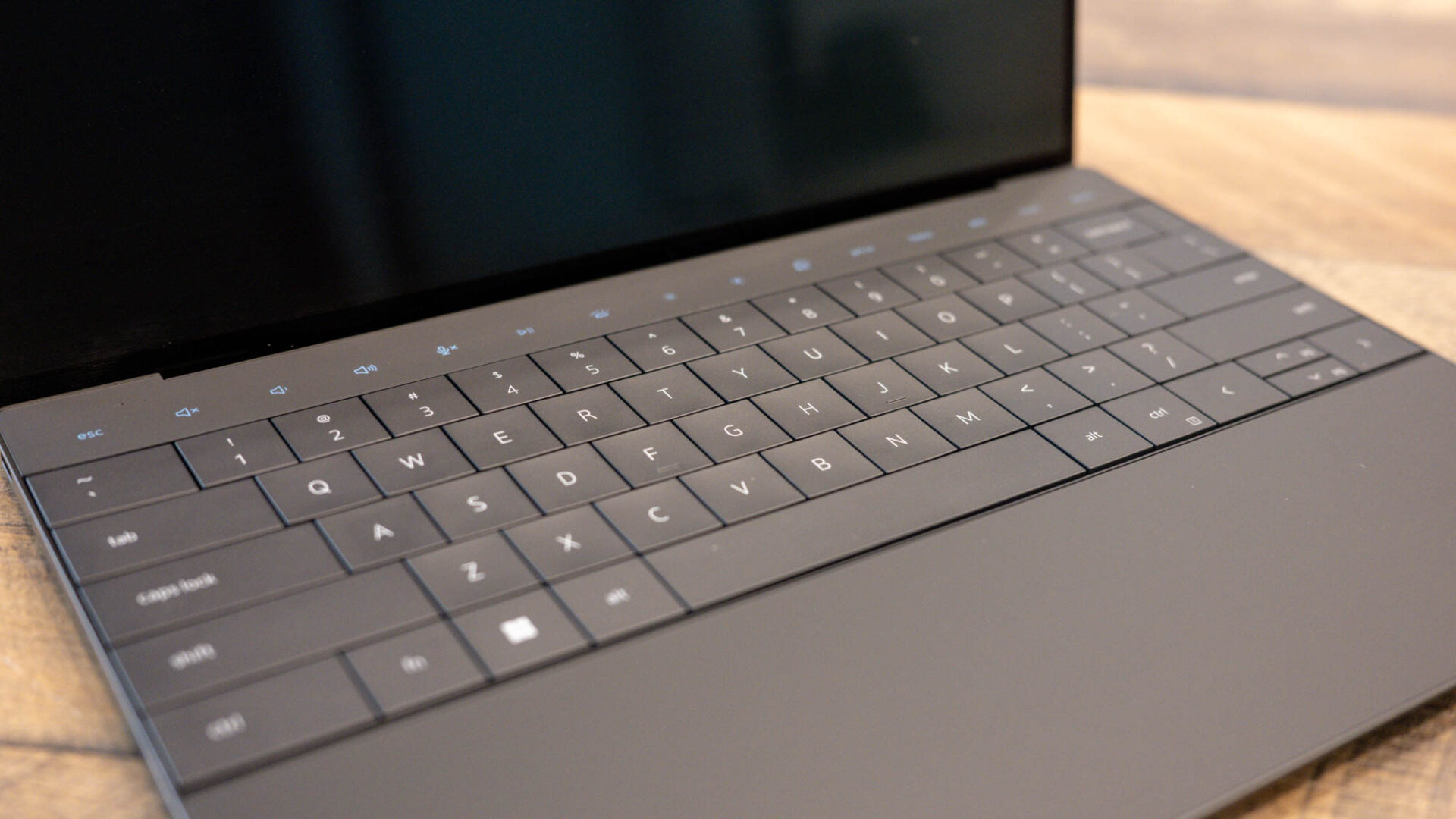
The XPS 13 remains one of the most recognizable Windows ultraportables because of its minimalist design, compact size, and premium materials.
The aluminum construction gives the laptop a rigid and durable feel while keeping weight low enough for everyday travel.
At approximately 13 inches, it occupies the same category as Apple’s MacBook Air and other premium compact laptops.
The appeal is obvious.
Students can carry it between classes.
Professionals can use it during business travel.
Remote workers can move it around the house without feeling tied to a desktop setup.
Dell’s official XPS laptop lineup continues to position the XPS family as a premium Windows alternative focused on design, mobility, and performance.
The 2026 model does not reinvent the formula.
Instead, it refines it.
The MacBook Neo Comparison Makes Sense
The reason many comparisons focus on the MacBook Neo is not simply price.
It is philosophy.
Both devices target users who want a premium-looking laptop without moving into expensive professional workstation territory.
They prioritize:
Portability.
Battery efficiency.
Everyday productivity.
A clean user experience.
Apple has built a strong reputation around optimizing hardware and software together. The MacBook family benefits from Apple’s custom silicon, which delivers strong performance while maintaining excellent efficiency.
Dell approaches the same goal from the Windows side.
The XPS 13 relies on modern Intel processors, Windows optimization, and premium hardware design.
The competition is therefore not only about processor speed.
It is about which ecosystem provides the better overall experience.
Performance Is Strong for Everyday Users
For normal workloads, the Dell XPS 13 performs well.
Web browsing, office applications, video calls, streaming, document editing, and general productivity tasks are handled comfortably.
Modern processors have reached a point where even thin laptops can provide more than enough power for everyday computing.
The challenge is not basic performance.
The challenge is future demand.
Laptop usage has become heavier.
Browsers now consume more memory.
Web applications are more complex.
AI-powered features are becoming more common.
Background services continue increasing.
A laptop that feels fast today can become limited several years later if it starts with insufficient memory.
That brings the biggest criticism of the XPS 13.
The RAM Problem Is Bigger Than It Looks
The main concern with the Dell XPS 13 (2026) is the entry-level RAM configuration.
Many users argue that modern premium laptops should no longer ship with only 8GB of memory.
The reason is simple:
RAM affects how many tasks a computer can handle comfortably at the same time.
A user with multiple browser tabs, productivity applications, video calls, cloud services, and background applications can quickly consume available memory.
When RAM becomes limited, the computer relies more heavily on storage-based virtual memory, which is significantly slower.
The result can be:
Slower application switching.
More frequent pauses.
Reduced multitasking performance.
A shorter useful lifespan.
The problem becomes more important because many thin laptops do not allow users to upgrade memory later.
The Microsoft Windows hardware guidance increasingly reflects a world where modern applications, AI features, and productivity workloads demand more capable hardware.
For a premium laptop expected to last five years or more, choosing enough RAM at purchase is becoming increasingly important.
Why More RAM Matters More in 2026
A decade ago, 8GB of RAM was considered comfortable for many users.
The computing environment has changed.
Today, users often run:
Multiple browser windows.
Large cloud applications.
Video conferencing software.
Creative tools.
AI assistants.
Background synchronization services.
Each application may seem lightweight individually.
Together, they create significant memory pressure.
This is especially relevant because laptops are increasingly replacing desktop computers for many people.
A device that is only used for email and documents may survive with lower memory.
A device used for work, study, creativity, and entertainment requires more flexibility.
That is why many reviewers recommend considering 16GB RAM as the practical minimum for a premium laptop in 2026.
Battery Life Remains a Major Strength
One area where modern thin laptops continue improving is efficiency.
The Dell XPS 13 benefits from energy-efficient processors and a lightweight design.
For many users, battery life matters more than maximum processing power.
A laptop that lasts through a full workday without searching for a charger creates a better experience than a faster machine that constantly needs power.
Apple has traditionally performed extremely well in this area because of its custom silicon architecture.
Dell’s challenge is matching that efficiency while remaining competitive inside the Windows ecosystem.
The XPS 13 gets close enough for many users, particularly those focused on productivity rather than demanding creative workloads.
The Display and Everyday Experience Matter
Laptop reviews often focus heavily on processors and benchmarks.
But many users spend more time looking at the screen and interacting with the keyboard than measuring performance.
The XPS 13 continues Dell’s focus on display quality.
A sharp screen improves everything:
Reading documents.
Editing photos.
Watching videos.
Working with spreadsheets.
Video meetings.
The compact form factor also makes the laptop comfortable for users who prioritize mobility.
A smaller laptop is easier to carry, but the trade-off is usually fewer ports and less upgrade flexibility.
That remains true here.
Who Should Buy the Dell XPS 13 (2026)?
The XPS 13 is a strong choice for several types of users.
Students who need a premium portable machine will likely appreciate its size and battery life.
Professionals who spend most of their time writing, browsing, managing projects, and attending meetings will find enough performance.
Travelers who value build quality and portability will also benefit.
However, buyers should carefully consider the configuration.
The cheapest model may not be the smartest long-term investment.
Choosing more RAM could significantly extend the useful life of the laptop.
Who Should Consider Something Else?
Power users may want more.
People working with:
Video editing.
3D rendering.
Large datasets.
Professional creative software.
Heavy multitasking.
may quickly outgrow the entry-level configuration.
They may need a higher-end XPS model, a workstation-class laptop, or a more powerful machine from Apple’s MacBook Pro lineup.
The Apple MacBook Pro remains aimed at professionals requiring higher sustained performance.
The XPS 13 is not designed to replace those machines.
It is designed to be an excellent everyday premium laptop.
Dell’s Biggest Challenge Is Not Hardware
The XPS 13 demonstrates that Windows laptops can compete seriously in design and portability.
The hardware quality is there.
The performance is there.
The premium feel is there.
The bigger challenge is matching the complete experience competitors provide.
Apple’s advantage comes from controlling the entire ecosystem.
Dell must compete through hardware quality, Windows optimization, pricing, and configuration choices.
That makes decisions like RAM capacity especially important.
A great laptop with insufficient memory can feel outdated much faster than expected.
Final Verdict: Almost a Perfect MacBook Neo Alternative
The Dell XPS 13 (2026) proves that premium Windows laptops remain highly competitive.
It offers excellent design, strong portability, impressive everyday performance, and a polished user experience.
But the base RAM configuration creates an unnecessary weakness.
The laptop is powerful enough for today.
The question is whether it will still feel powerful several years from now.
For buyers choosing a premium ultraportable laptop, spending more for additional memory may be the smartest decision.
The Dell XPS 13 is not held back by its design.
It is held back by a configuration choice that does not fully match the future of computing.